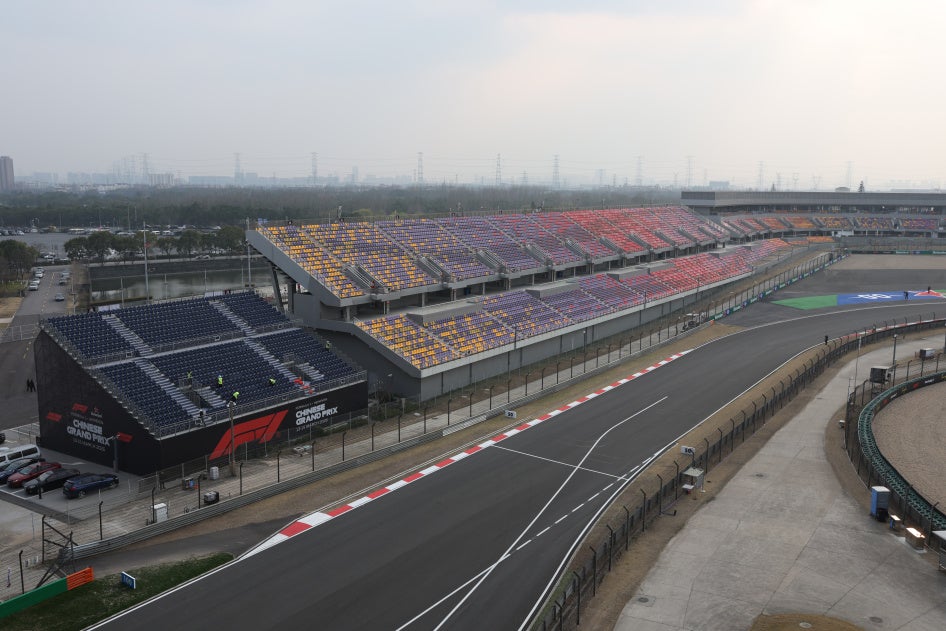
Update: On March 14, 2026, Formula 1 and the FIA announced that the Bahrain and Saudi Arabia Grand Prix scheduled as part of the 2026 season will not take place in April as planned, "due to the ongoing situation in the Middle East region." The postponement or cancellation of races does not absolve the racing bodies from carrying out due diligence to assess and address human rights risks related to the current Grand Prix schedule or future races.
(Paris) – Formula One (F1) and its governing federation, the Fédération Internationale de l’Automobile (FIA), should address the risk of governments using upcoming 2026 Grand Prix events to whitewash human rights abuses, Human Rights Watch said today. The Formula 1 Grand Prix season in 2026 includes races in 22 countries, including in Bahrain, China, Saudi Arabia, and the United States.
Human Rights Watch and other groups have documented serious human rights violations in countries where authorities might use the scheduled 2026 Grand Prix races to launder their rights record on the world stage, known as “sportswashing.” Without strong policies, the FIA and F1 risk falling short of their stated mission to “leave a legacy of positive change wherever [they] race” and tarnishing motor sport’s integrity by providing a platform for abusive authorities to conceal their abuses.
“Abusive governments around the world relish the Grand Prix because it offers them a dazzling distraction from their human rights records,” said Minky Worden, director of global initiatives at Human Rights Watch. “Formula One and its governing federation should roll out comprehensive due diligence to identify and remedy any adverse human rights impacts of their activities and use their influence with governments to urge rights reforms.”
On February 24, 2026, Human Rights Watch wrote to the FIA and F1 asking whether any policies would be adopted to address human rights risks arising from their activities, but received no response.
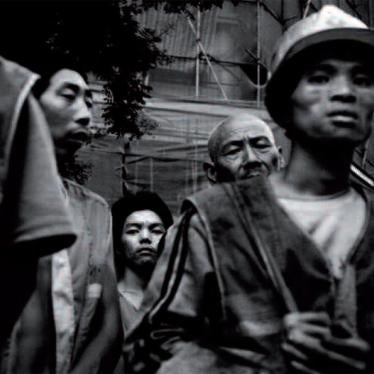
In China, where the second 2026 Grand Prix will be held, the authorities systematically deny the rights to freedom of expression, association, peaceful assembly, and religion; persecute critics of the government; and have, since 2016, committed various crimes against humanity against Uyghurs and other Turkic Muslims in the Xinjiang region. The Chinese authorities have long sought to use international sporting competitions to distract from the government’s appalling rights record, while targeting athletes.
A Grand Prix event is scheduled for April in Bahrain, where detainees face brutal treatment, including torture and denial of medical care. Although the government recently pardoned scores of inmates, the authorities still wrongfully imprison prominent human rights defenders and political leaders, some of whom have urgent unaddressed medical needs. Human Rights Watch previously documented the Bahraini authorities’ crackdown on protesters and critics of the race. Domestic and international organizations have also raised concerns about arrests before or during F1-related activities.
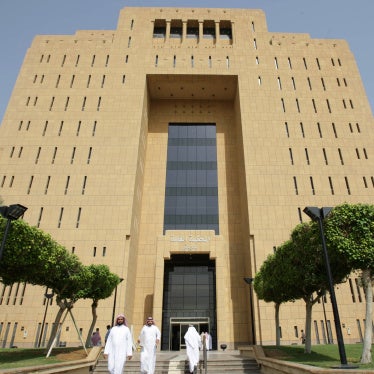
Later in April, a Grand Prix event is scheduled in Jeddah, Saudi Arabia. The Saudi government’s abysmal human rights record was compounded by the recent surge in executions in 2025, including at least 356 as of December. The authorities continued to arbitrarily detain and imprison many for exercising their rights to freedom of expression, assembly, association, and belief, while migrant workers continue to face widespread labor abuse.
Ongoing developments since the United States and Israel began carrying out strikes on Iran on February 28 and Iran’s retaliatory strikes in the Gulf region may affect the race agenda. However, this should not prevent FIA and F1 from carrying out needed human rights due diligence.
Grand Prix events are schedueled in May, October, and November in the US, where President Donald Trump’s second term has been characterized by a slide toward authoritarianism, including the repeated domestic deployment of national guard forces and retaliatory acts against perceived political enemies and former officials. The Trump administration has imposed broad anti-immigrant policies, arresting and summarily deporting primarily Black and Brown immigrants, while security forces committed abuses, at times deadly, in the context of raids and other law enforcement operations.
The Trump administration has sought to use the upcoming 2026 FIFA Men’s World Cup, which the US is cohosting with Canada and Mexico, to burnish its international reputation, exemplified by Trump’s receipt of FIFA’s newly created “Peace Prize.”
Human Rights Watch has reported on abuses in other countries hosting a 2026 Grand Prix event, including Azerbaijan and Japan, as well as in countries reportedly bidding to host future races. All prospective host countries should be subject to human rights scrutiny, Human Rights Watch said.
Human Rights Watch underscored the risk of the FIA sportswashing abuses in Uzbekistan, which is reportedly bidding to host a Grand Prix. FIA held its 2025 General Assemblies in Tashkent, the capital. Upcoming FIA assemblies reportedly will be held in China.
The United Nations Guiding Principles on Business and Human Rights set out how businesses should put in place policies and conduct due diligence to identify, prevent, mitigate, and account for how they address their impacts on human rights. Since the UN Guiding Principles were adopted by the UN Human Rights Council in 2011, they have increasingly been adopted by sport governing bodies, including FIFA and the International Olympic Committee, in recognition of their applicability to effectively address human rights risks associated with their activities.
Formula One’s Statement of Commitment to Respect for Human Rights affirms that the organization is committed to “respecting internationally recognised human rights in its operations globally” and commits F1 to “take proportionate steps” to conduct human rights due diligence. The FIA statutes require the FIA to “promote the protection of human rights and human dignity” while its Code of Ethics affirms it “bears a special responsibility to safeguard the integrity and reputation of motor sport.”
The FIA and F1 should formally endorse the UN Guiding Principles and make public the steps they are taking to implement human rights due diligence measures to address the human rights impacts of their operations. This should include human rights strategies tailored for each Grand Prix based on meaningful consultations with a diverse range of stakeholders, including national and local human rights groups, trade unions, fan groups, and workers.
The FIA and F1 should also apply clear, objective human rights criteria to all countries vying to host a motor sport event, and establish a fair and transparent bidding procedure. They should also use their leverage with host governments to promote the protection of internationally recognized human rights.
“While many nations wish to host Grand Prix, F1 and the FIA carry a responsibility to safeguard against adverse human rights impacts arising from these events,” Worden said. “If F1 and the FIA are serious about their ambition to drive positive change wherever they race, they need to do much more to protect human rights.”