War Crimes and Crimes Against Humanity in Burkina Faso by All Sides
The 316-page report, “‘None Can Run Away’: War Crimes and Crimes Against Humanity in Burkina Faso by All Sides,” documents the devastating impact on civilians of an armed conflict that has received scant global attention. Researchers documented 57 incidents involving Burkinabè military forces and allied militias known as the Volunteers for the Defense of the Homeland (VDPs), and the Islamist armed group Jama’at Nusrat al‑Islam wa al‑Muslimin (JNIM) since the current military junta seized power in September 2022. Human Rights Watch issued a question and answer document to explain the legal issues involved.
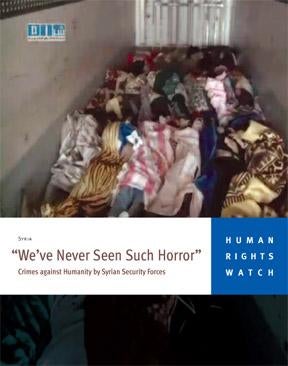
This 54-page report is based on more than 50 interviews with victims and witnesses to abuses. The report focuses on violations in Daraa governorate, where some of the worst violence took place after protests seeking greater freedoms began in various parts of the country. The specifics went largely unreported due to the information blockade imposed by the Syrian authorities.
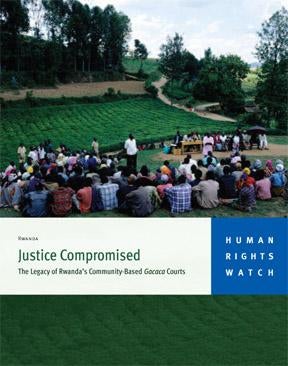
The Legacy of Rwanda’s Community-Based Gacaca Courts
This report assesses the courts’ achievements and outlines a number of serious shortcomings in their work, including corruption and procedural irregularities.
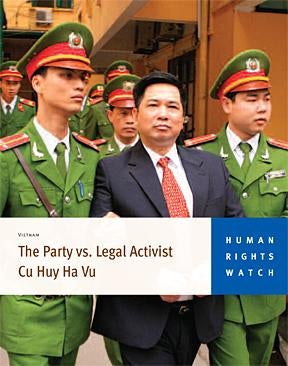
This 59-page report describes the unique elements that have made this Vietnam's most high-profile political trial in decades. They include Vu's legal challenges to promote human rights, official accountability, and environmental protection against the country's political elite, including Prime Minister Nguyen Tan Dung.
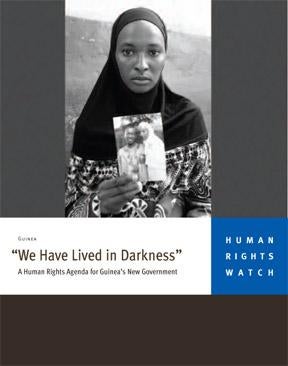
This report calls on the government to bring to justice those responsible for massacres in 2007 and 2009. It says that the government should strengthen the judiciary and provide it with adequate resources, rein in and reform the security sector, and ensure that Guinea’s population can benefit from the country’s abundant natural resources.
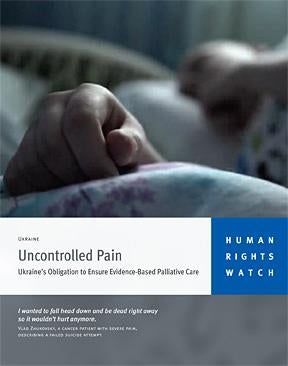
Ukraine’s Obligation to Ensure Evidence-Based Palliative Care
This 93-page report describes Ukrainian government policies that make it impossible for cancer patients living in rural areas to get essential pain medications. While most cancer patients in cities have access to some medications, the treatment they receive is inadequate and provides only limited relief, Human Rights Watch found.
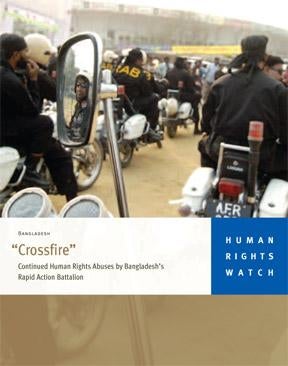
Continued Human Rights Abuses by Bangladesh’s Rapid Action Battalion
This 53-page report documents abuses by RAB in and around Dhaka, the capital, under the current Awami League-led government. Nearly 200 people have been killed in RAB operations since January 6, 2009, when the government assumed office.
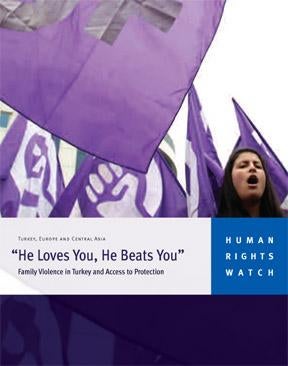
Family Violence in Turkey and Access to Protection
This report documents brutal and long-lasting violence against women and girls by husbands, partners, and family members and the survivors’ struggle to seek protection. Turkey has strong protection laws, setting out requirements for shelters for abused women and protection orders.
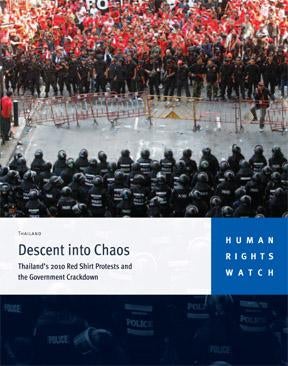
Thailand’s 2010 Red Shirt Protests and the Government Crackdown
This report provides the most detailed account yet of violence and human rights abuses by both sides during and after massive protests in Bangkok and other parts of Thailand in 2010.
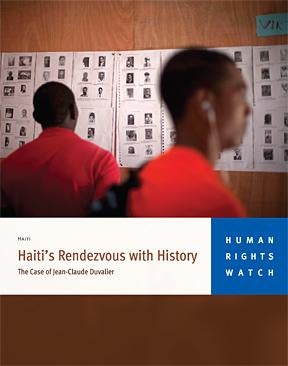
This 47-page report examines the legal and practical questions surrounding the case and concludes that Haiti has an obligation under international law to investigate and prosecute the grave violations of human rights under Duvalier's rule.
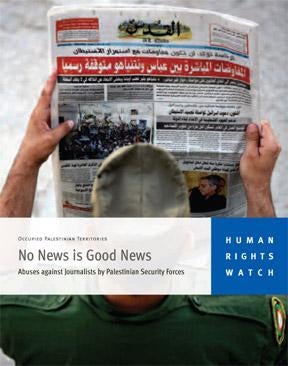
Abuses against Journalists by Palestinian Security Forces
This report documents cases in which security forces tortured, beat, and arbitrarily detained journalists, confiscated their equipment, and barred them from leaving the West Bank and Gaza.
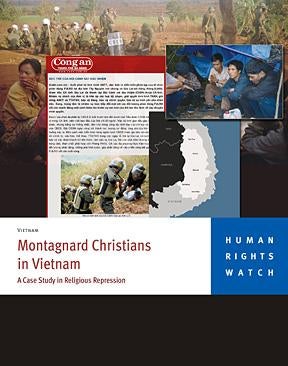
This 46-page report details the latest government crackdowns on these indigenous peoples, known collectively as Montagnards. The report documents police sweeps to root out Montagnards in hiding. It details how the authorities have dissolved house church gatherings, orchestrated coerced renunciations of faith, and sealed off the border to prevent asylum seekers from fleeing to Cambodia.
Torture and Illegal Detention by Uganda’s Rapid Response Unit
The 59-page report documents the unit’s illegal methods of investigation and serious violations of the rights of the people it arrests and detains. The unit has a history of violent and unlawful operations since it was formed by President Yoweri Museveni in 2002 as Operation Wembley, an ad-hoc security entity commanded by an active member of the Ugandan military.
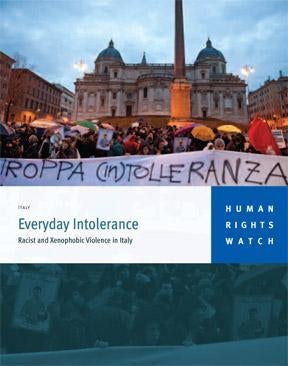
This report documents the state’s failure to take effective measures against hate crimes. Prosecutions for racially-motivated violence are rare, with Italian officials downplaying the extent of the problem and failing consistently to condemn attacks. Insufficient training of law enforcement and judiciary personnel and incomplete data collection compound the problem.
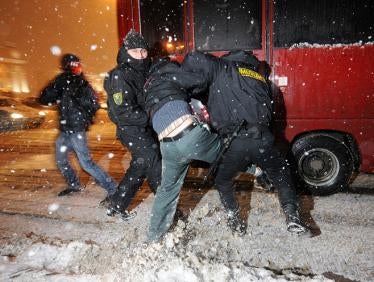
The 31-page report documents the human rights violations that have occurred since the election – including persecution of opposition candidates and activists, abuse of detainees, trials behind closed doors, and raids on human rights organizations.
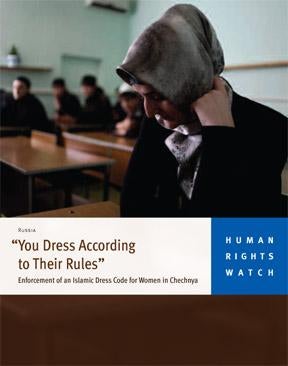
Enforcement of an Islamic Dress Code for Women in Chechnya
This report documents acts of violence, harassment, and threats against women in Chechnya to intimidate them into wearing a headscarf or dressing more “modestly,” in long skirts and sleeves to cover their limbs. The documented attacks by unidentified men believed to be law enforcement officials took place from June through September 2010 in the center of Grozny, the Chechen capital.