War Crimes and Crimes Against Humanity in Burkina Faso by All Sides
The 316-page report, “‘None Can Run Away’: War Crimes and Crimes Against Humanity in Burkina Faso by All Sides,” documents the devastating impact on civilians of an armed conflict that has received scant global attention. Researchers documented 57 incidents involving Burkinabè military forces and allied militias known as the Volunteers for the Defense of the Homeland (VDPs), and the Islamist armed group Jama’at Nusrat al‑Islam wa al‑Muslimin (JNIM) since the current military junta seized power in September 2022. Human Rights Watch issued a question and answer document to explain the legal issues involved.
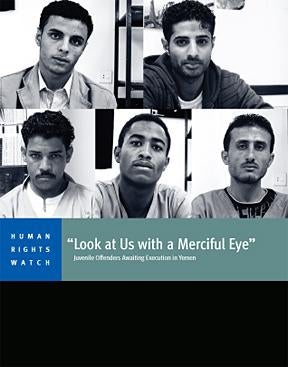
The 30-page report found that at least 22 individuals have been sentenced to death despite evidence that they were under age 18 at the time of their alleged crimes. In the last five years, Yemen has executed at least 15 young men and women who said they were under 18 at the time of their offense.
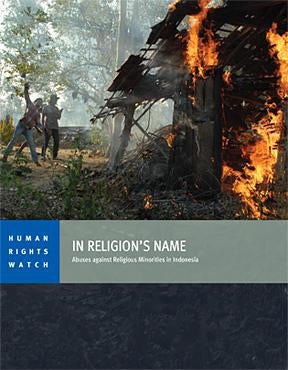
The 107-page report documents the government’s failure to confront militant groups whose thuggish harassment and assaults on houses of worship and members of religious minorities has become increasingly aggressive. Those targeted include Ahmadiyahs, Christians, and Shia Muslims.
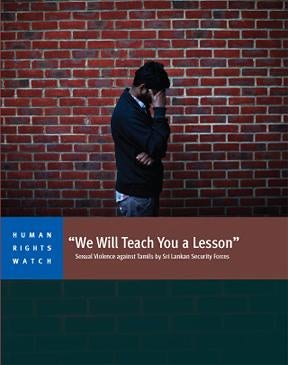
Sexual Violence against Tamils by Sri Lankan Security Forces
The 140-page report provides detailed accounts of 75 cases of alleged rape and sexual abuse that occurred from 2006-2012 in both official and secret detention centers throughout Sri Lanka.
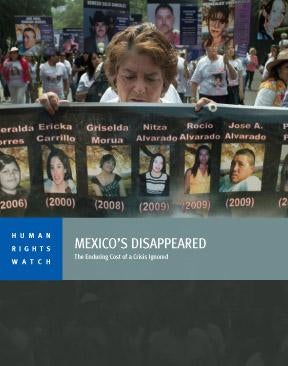
This 176-page report documents nearly 250 “disappearances” during the administration of former President Felipe Calderón, from December 2006 to December 2012. In 149 of those cases, Human Rights Watch found compelling evidence of enforced disappearances, involving the participation of state agents.
Abusive Policing and Failures in Protection of Indigenous Women and Girls in Northern British Columbia, Canada
The 89-page report documents both ongoing police failures to protect indigenous women and girls in the north from violence and violent behavior by police officers against women and girls. Police failures and abuses add to longstanding tensions between the Royal Canadian Mounted Police (RCMP) and indigenous communities in the region, Human Rights Watch said.
Yemen’s Failed Response to the “Friday of Dignity” Killings
This 69-page report found that Yemen's previous government’s criminal investigation government, into the shooting of demonstrators during the so-called Friday of Dignity Massacre on March 18, 2011, was fraught with political interference and ignored evidence implicating government officials.
Political Violence and the 2013 Elections in Kenya
This 58-page report presents the dangers of violence due to government failures to carry out needed reforms. Already in 2012 and early 2013, inter-communal clashes in parts of Kenya have claimed more than 477 lives and displaced about 118,000 people. Many of these incidents have been linked to pre-election maneuvering as local politicians mobilize support.
This 82-page report examines how current government responses are falling short, both in protecting children from sexual abuse and treating victims. Many children are effectively mistreated a second time by traumatic medical examinations and by police and other authorities who do not want to hear or believe their accounts.
Exploitation of Migrant Workers Ahead of Russia’s 2014 Winter Olympic Games in Sochi
This 67-page report documents exploitation of migrant workers on key Olympic sites, including the Central Olympic Stadium, the Main Olympic Village, and the Main Media Center.
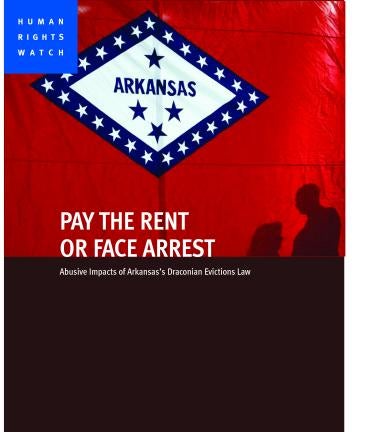
Abusive Impacts of Arkansas's Draconian Evictions Law
This 44-page report tells the stories of Arkansas tenants who were dragged into criminal court for transgressions that would not be a crime in any other US state. Other tenants who did not violate the law have faced charges because prosecutors acted on specious claims by landlords.
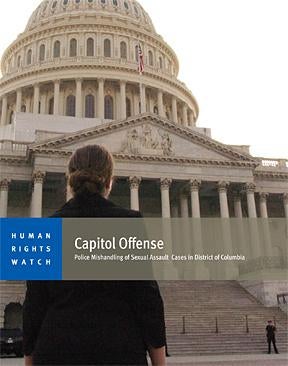
Police Mishandling of Sexual Assault Cases in the District of Columbia
This 196-page report concludes that in many sexual assault cases, the police did not file incident reports, which are required to proceed with an investigation, or misclassified serious sexual assaults as lesser or other crimes.
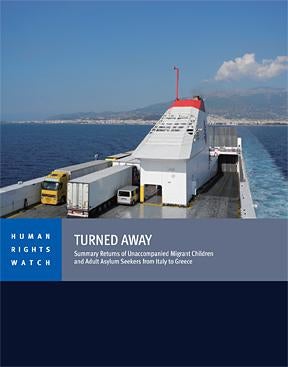
Summary Returns of Unaccompanied Migrant Children and Adult Asylum Seekers from Italy to Greece
This report documents the failure of Italian border police at the Adriatic ports of Ancona, Bari, Brindisi, and Venice to screen adequately for people in need of protection, in violation of Italy’s legal obligations. Human Rights Watch interviewed 29 children and adults who were summarily returned to Greece from Italian ports, 20 of them in 2012.
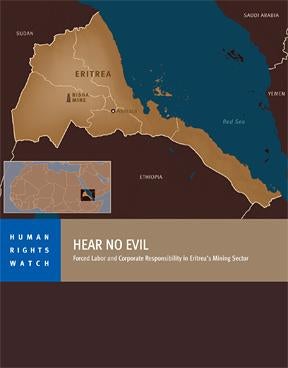
Forced Labor and Corporate Responsibility in Eritrea’s Mining Sector
The 29-page report describes how mining companies working in Eritrea risk involvement with the government’s widespread exploitation of forced labor. It also documents how Nevsun – the first company to develop an operational mine in Eritrea – initially failed to take those risks seriously, and then struggled to address allegations of abuse connected to its operations.
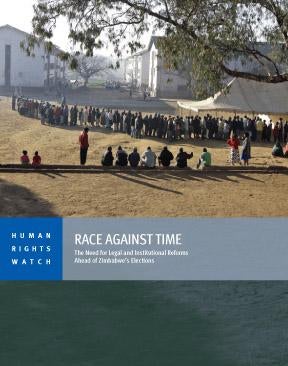
The Need for Legal and Institutional Reforms Ahead of Zimbabwe’s Elections
This report assesses the legislative and electoral reforms undertaken by the unity government, which was established in 2009 after the 2008 elections resulted in violence. The unity government consists of the former ruling Zimbabwe African National Union-Patriotic Front (ZANU-PF) and the two factions of the former opposition Movement for Democratic Change (MDC).