After the Storm
A new web feature looks at climate change, planned relocation, and people with disabilities in Siargao, Philippines.
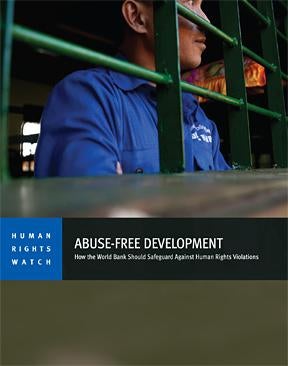
This 59-page report draws on Human Rights Watch research from around the globe to document the harm caused to some of the world’s most vulnerable people by bank-financed programs.
This 68-page report finds that illegal logging and forest-sector mismanagement resulted in losses to the Indonesian government of more than US$7 billion between 2007 and 2011.
This 75-page report documents the struggles of children and young people with disabilities to be educated in mainstream schools in their communities.
Since 2006, under plans to “Build a New Socialist Countryside” in Tibetan areas, over two million Tibetans have been “rehoused” – through government-ordered renovation or construction of new houses – in the Tibet Autonomous Region (TAR), while hundreds of thousands of nomadic herders in the eastern part of the Tibetan plateau have been relocated or settled in “New Socialist Villages.”
This 66-page report focuses on torture and ill-treatment by the Internal Security Forces (ISF), particularly the Drug Repression Bureau and members of the ISF who enforce “morality-related” laws against drug users, sex workers, and lesbian, gay, bisexual, and transgender (LGBT) people.
This 100-page report examined five trials between 2009 and 2013 of a total of 77 people – including protesters seeking reform, Western Sahara activists, and persons accused of plotting terrorism.
This 98-page report documents abuses including torture, rape, assault, arbitrary arrest, and extortion. The organizations found that the fear of abuse is driving sex workers, people who use drugs, and lesbian, gay, bisexual, transgender, and intersex (LGBTI) people away from prevention and treatment services.
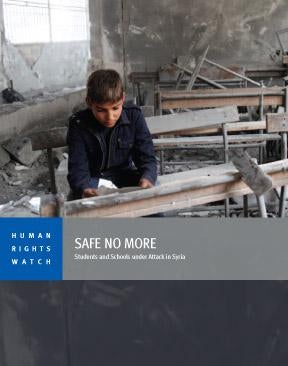
This 33-page report is based on more than 70 interviews, including with 16 students and 11 teachers who fled Syria, primarily from Daraa, Homs, and greater Damascus. The report documents the use of schools for military purposes by both sides.
This 40-page report highlights key steps that Libya should take to meet its international obligations by firmly rejecting gender-based discrimination in both law and practice.