After the Storm
A new web feature looks at climate change, planned relocation, and people with disabilities in Siargao, Philippines.
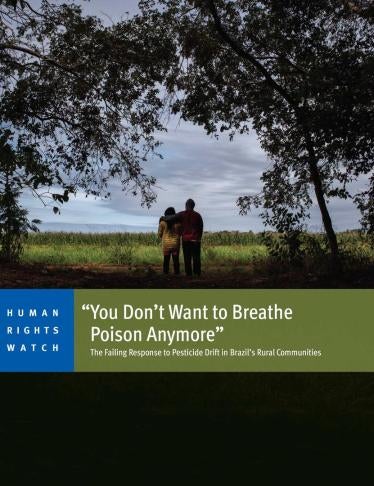
This report documents cases of acute poisoning from pesticide drift in seven sites, located across Brazil, including farming communities, indigenous communities, quilombo (Afro-Brazilian) communities, and rural schools. Exposure occurs when pesticide spray drifts off target during application, or when pesticides vaporize and drift to adjacent areas in the days after spraying.
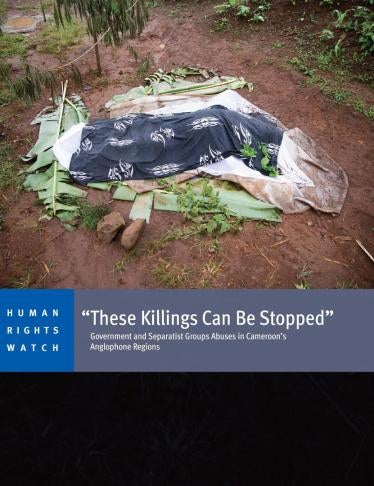
Based on research in the region, satellite imagery analysis and video analysis, this report found that both government forces and armed separatists have abused civilians in the western part of the country, displacing over 180,000 people since December 2017. Anglophone separatists have extorted, kidnapped and killed civilians, and prevented children from going to school. In response to protests and violence by armed separatists, government forces have killed civilians, used excessive force against demonstrators, tortured and mistreated suspected separatists and detainees, and burned hundreds of homes in several villages.
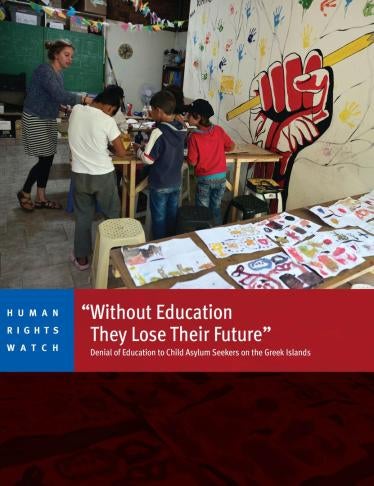
This report found that fewer than 15 percent of more than 3,000 school-age asylum-seeking children on the islands were enrolled in public school at the end of the 2017-2018 school year, and that in government-run camps on the islands, only about 100 children, all preschoolers, had access to formal education. The asylum-seeking children on the islands are denied the educational opportunities they would have on the mainland. Most of those who were able to go to school had been allowed to leave the government-run camps for housing run by local authorities and volunteers.
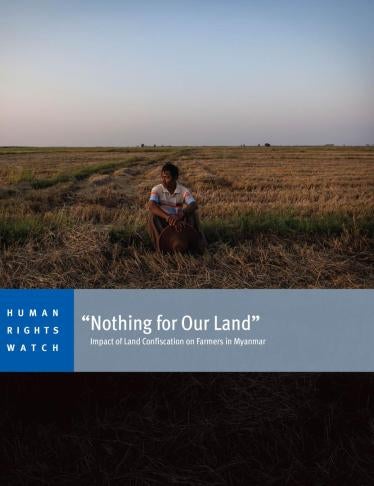
This report documents the devastating effects of land confiscations for farmers in southern Shan State and the Ayeyarwady and Yangon regions of Myanmar. Farmers describe their loss of livelihoods, access to health care, and children’s education, and their efforts to obtain redress, which frequently ends in arrest.
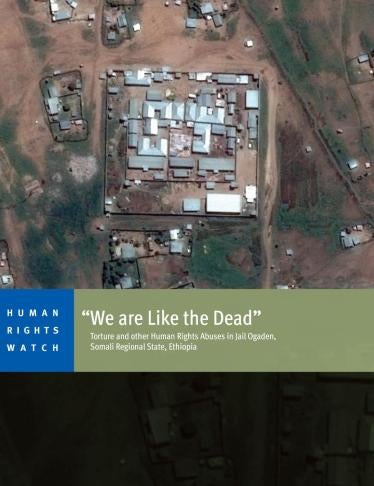
This report describes a brutal and relentless pattern of abuse, torture, rape, and humiliation, with little access to medical care, family, lawyers, or even at times to food. The prison’s security forces, including the Somali Region’s notorious paramilitary force, the Liyu police, are implicated. The unit reports to the Somali Region president, Abdi Mohamoud Omar, known as Abdi Illey. Most prisoners are accused of some affiliation with the Ogaden National Liberation Front (ONLF), a banned opposition group, but most never face charges or trials.
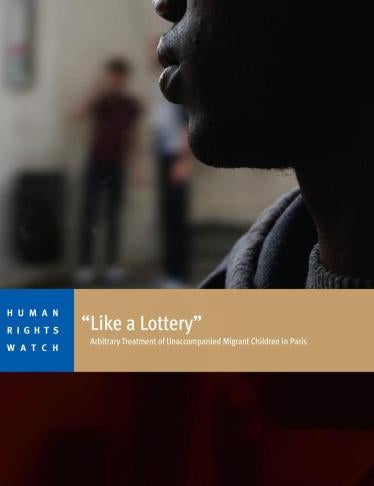
This report found that arbitrary practices can lead to unaccompanied children being erroneously considered adults, leaving then ineligible for emergency shelter and other protection given to children. Many youths who request protection from the child welfare system are turned away summarily and inaccurately, based on appearance alone. Others are rejected without written decisions after interviews lasting as little as five minutes, contrary to French regulations.
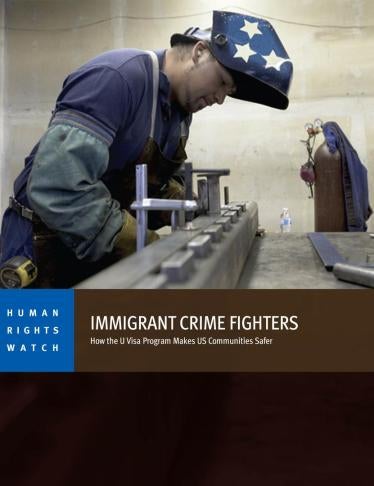
Based on interviews with law enforcement in five states, immigration lawyers and crime victims, this report highlights stories of undocumented immigrants who courageously came forward to assist in the investigations of rapes, robberies, and attempted murders.
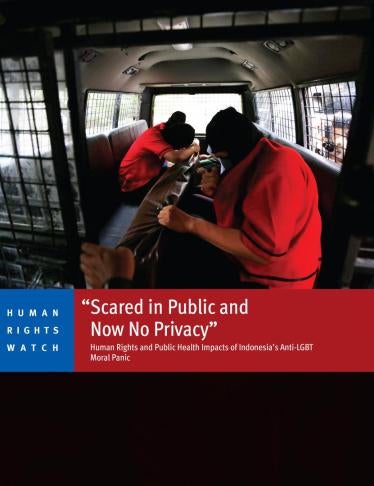
This report documents how hateful rhetoric has translated into unlawful action by Indonesian authorities—sometimes in collaboration with militant Islamist groups—against people presumed to be LGBT. Based on in-depth interviews with victims and witnesses, health workers, and activists, this report updates a Human Rights Watch August 2016 report that documented the sharp rise in anti-LGBT attacks and rhetoric in Indonesia that began that year. It examines major incidents between November 2016 and June 2018, and the far-reaching impact of this anti-LGBT “moral panic” on the lives of sexual and gender minorities and the serious consequences for public health in the country.
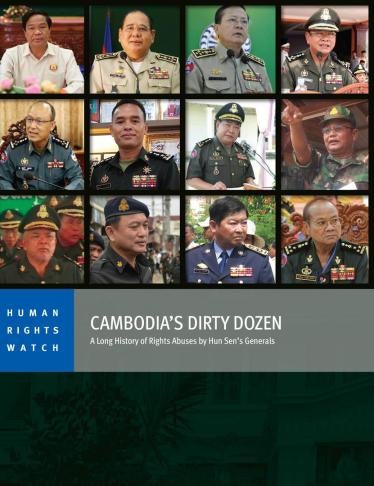
This report spotlights 12 senior security officers who form the backbone of an abusive and authoritarian political regime. Each of these officers owes his high-ranking and lucrative position to political and personal connections with Hun Sen dating back two decades or more. Each has demonstrated a willingness to commit rights abuses on behalf of Hun Sen. Instead of serving the public, these officials have acted to protect the rule of Hun Sen, who has been in power for more than 33 years. Throughout their careers, they have served in government positions paying modest official salaries, yet they have amassed large amounts of unexplained wealth.
This report documents the everyday barriers people with disabilities meet when going to government offices, healthcare centers, and when using public transportation. People with disabilities also regularly face stigma and discrimination from government social workers, healthcare workers, and others. Many remain trapped in their homes, unable to live independently and participate in society on an equal basis with others. The Iranian authorities should immediately amend discriminatory laws and practices and create a clear plan for making public services and facilities accessible.
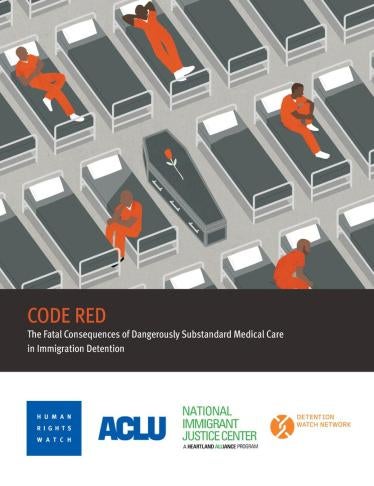
Based on the analysis of independent medical experts, this report examines the 15 “Detainee Death Reviews” ICE released from December 2015 through April 2017. ICE has yet to publish reviews for one other death in that period. Eight of the 15 public death reviews show that inadequate medical care contributed or led to the person’s death. The physicians conducting the analysis also found evidence of substandard medical practices in all but one of the remaining reviews.
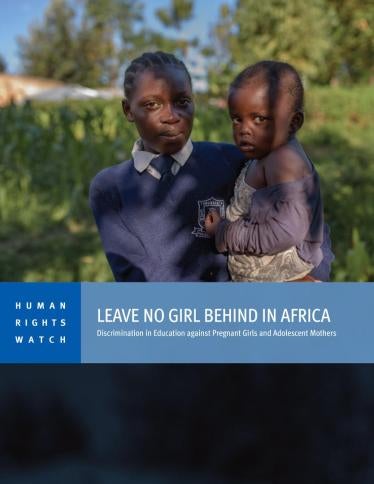
This report draws on extensive Human Rights Watch research on the rights of girls in Africa. Human Rights Watch examined national laws, policies, and practices that block or support pregnant girls’ and adolescent mothers’ right to primary and secondary education in all African Union (AU) member countries. Africa has one of the highest rates of adolescent pregnancy in the world. African governments should urgently adopt laws and policies to ensure that schools allow and support pregnant girls to stay in school and to return to school after having a child.
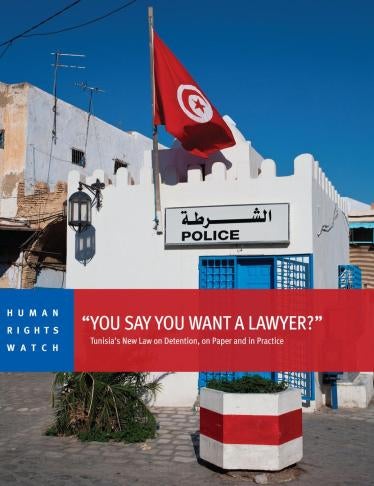
This report examines the actual impact of the law granting detainees the right to a lawyer as soon as they are taken into custody. Every year, the police arrest thousands of people across Tunisia. They spend up to four days in police custody, a crucial period for building the criminal case against them, before they first see a judge. During this time, they are vulnerable to mistreatment.
This report details new research on the scope of banking activities in settlements and the violations to which these activities contribute. Israel’s seven largest banks provide services to settlements. The report also documents the involvement of most of them in building housing units that expand settlements by acquiring property rights in new construction projects and shepherding the projects through to completion. The transfer by the occupier of members of its civilian population into the occupied territory, and the deportation or transfer of members of the population of the territory, are war crimes. By facilitating expansion of settlements, these banking activities facilitate unlawful population transfers.
This report found that many people with disabilities enter institutions as children and remain there for their entire lives. Most of these institutions visited by Human Rights Watch researchers did not provide for more than people’s basic needs, such as food and hygiene, with scarce contact with the community and little opportunity for personal development. Some residents are tied to their beds and given sedatives to control them.