Journalists, activists and political opponents who fled Burkina Faso to escape the junta’s repression now risk arrest and prosecution abroad, as the country’s judicial authorities pursue dozens of individuals over alleged terrorism-related offenses.
Burkina Faso Prosecutor General Désiré Sawadogo announced on November 13 that a special court handling terrorism-related offenses had opened six cases against at least 45 people and entities. All those targeted exposed serious military abuses during counterinsurgency operations and include exiled journalists critical of the junta, among them Ahmed Newton Barry, Issaka Lingani, Inoussa Ouédraogo, Adama Ouedraogo, and Abdoulaye Barry; exiled social media activist Naïm Touré; former foreign affairs minister Alpha Barry, and international journalist Wassim Nasr. They face various charges, including complicity in terrorist associations and financing terrorism.
Burkina Faso sent international arrest warrants and extradition requests to Côte d’Ivoire, France, and the United States, said Sawadogo. He added that Burkina Faso asked the United States to use Meta to identify and prosecute Facebook page administrators accused of promoting terrorism.
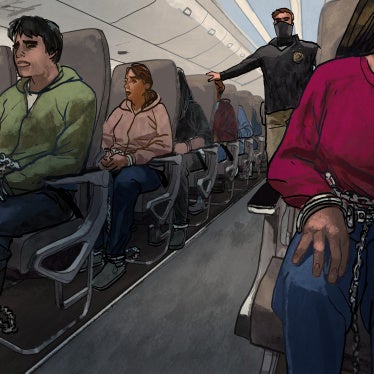
The authorities are using counterterrorism laws to target critical voices and restrict independent reporting on military abuses. The extradition requests extend political repression beyond Burkina Faso’s borders, placing critics who sought protection abroad at risk of arrest, forced return, and further abuse. The government’s recent decision to reinstate capital punishment for offenses including terrorism, high treason, and espionage is also of grave concern.
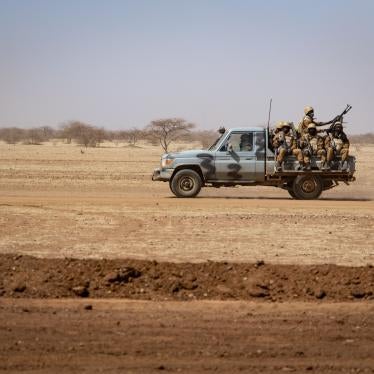
Since seizing power in a September 2022 coup, the junta has restricted fundamental rights through media bans, suspension of unions and civil society organizations, dissolution of political parties, enforced disappearances, and the unlawful conscription of government critics.
Meanwhile, the conflict between government forces and allied militias and Islamist armed groups, ongoing since 2017, has involved widespread abuses by all parties, including war crimes and crimes against humanity, with no accountability. Human Rights Watch has documented serious flaws in the special terrorism court, including prolonged pretrial detention, and violations of fair trial guarantees.
Concerned governments should rigorously scrutinize all extradition and judicial cooperation requests from Burkina Faso. No journalist, activist or political opponent should be returned where there are substantial grounds to fear torture, arbitrary detention, an unfair trial, and the death penalty. International partners should condemn the targeting of critics at home and abroad and reject Burkina Faso’s attempts at transnational repression.