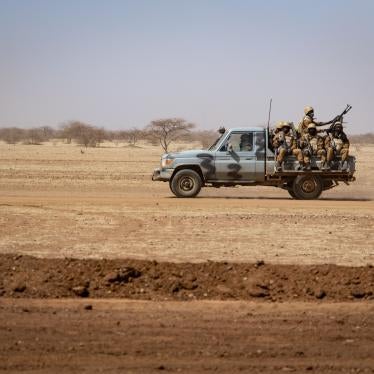
Burkina Faso’s unelected parliament has unanimously adopted a new penal code that restores the death penalty for high treason, terrorism, acts of espionage, parricide and importation of expired or prohibited products. The country had abolished the death penalty for ordinary crimes in 2018 while its last known judicial execution took place in 1988.
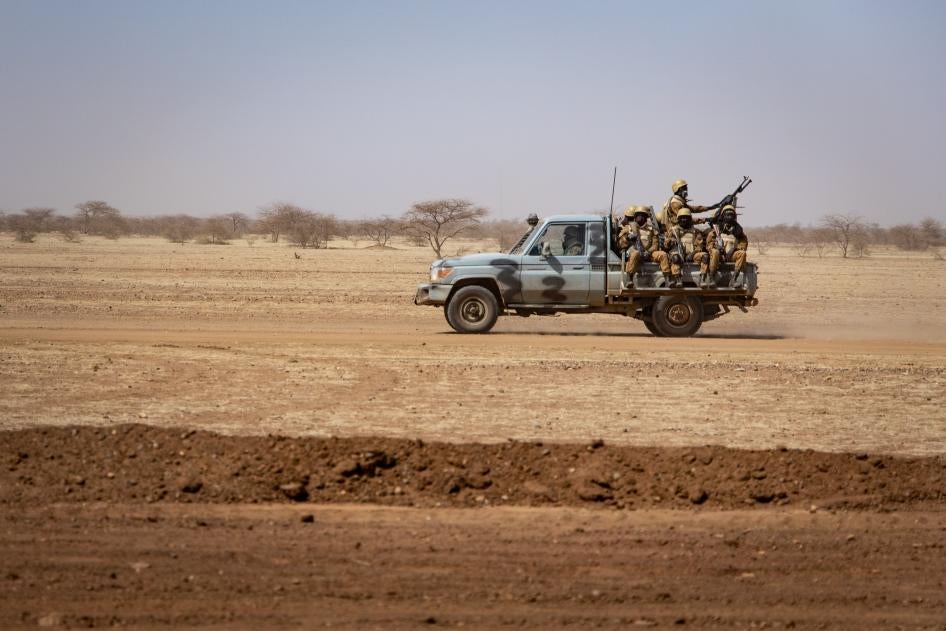
Reinstating capital punishment sends a chilling message to critics of the military junta and risks becoming another tool to suppress dissent. Since the September 2022 military coup, Burkina Faso’s junta has steadily dismantled civic and political rights. Authorities have banned media outlets, suspended unions and civil society organizations, abolished multiparty politics, and subjected critics to arbitrary detention, enforced disappearances, unlawful conscription, and torture.
Justice Minister Edasso Rodrigue Bayala defended the decision to reinstate the death penalty as a necessary measure to combat terrorism. He said that armed groups exploited the previous law’s leniency by promising new recruits they would face no more than life imprisonment if convicted of terrorist acts.
Human Rights Watch opposes all capital punishment because of its inherent cruelty. The unfairness of death sentences in Burkina Faso would be exacerbated by the country’s ill-equipped justice system. All terrorism-related cases are handled by the Specialized Judicial Unit Against Terrorism-Related Crimes, established in 2017. Human Rights Watch documented in April the special court’s slow investigations and serious procedural failures that undermine defendants’ fair trial rights.
A former terrorism court judge once explained to me that judges sometimes kept suspects in detention despite insufficient evidence, fearing the military might summarily execute them if released. He described the dilemma as “better to violate the right to liberty in order to preserve the right to life.” With the death penalty’s return, even that grim calculation may no longer hold.
Reversing course on the death penalty runs counter to a broader international movement toward abolition. The United Nations General Assembly and the African Commission on Human and Peoples’ Rights have urged states to establish moratoriums on executions, narrow the scope of capital punishment, and progressively reduce the number of offenses punishable by death with a view to its eventual abolition.
Restoring capital punishment will not resolve Burkina Faso’s security crisis. In a system already plagued by serious due process failures, the death penalty merely heightens the risk of irreversible injustice.