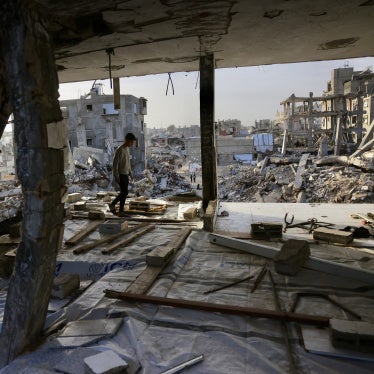
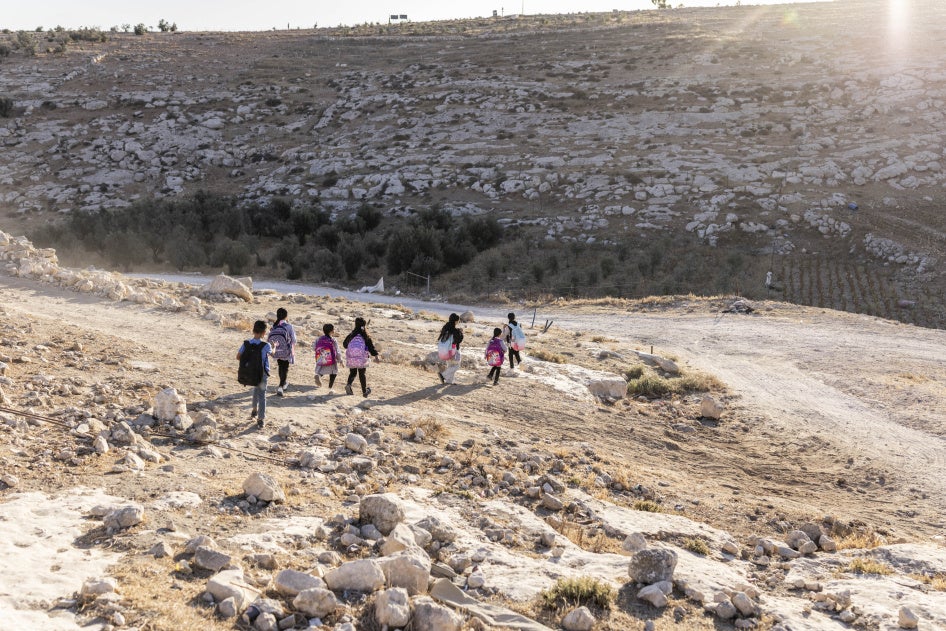
A UN Commission of Inquiry concluded on October 14 that Israeli authorities have committed the crime against humanity of persecution against Palestinian children. Their findings recognize an important dimension that has not been given enough attention: children in the West Bank have been deliberately targeted—not just because of their nationality, race or ethnicity but also due to their age—in attacks causing serious bodily and mental harm.
After making the same determination about Gaza in June, the commission expanded its finding to the West Bank, explaining: “the harm inflicted on children is not incidental or collateral to the broader violence affecting civilian population, but forms part of a pattern of intentional violence.”
Age-based persecution is not limited to Gaza or the West Bank. Last November, judges at the International Criminal Court confirmed 39 charges, albeit in absentia, against Joseph Kony, leader of the Lord’s Resistance Army, for crimes in northern Uganda including persecution on age grounds.
None of these findings required new laws. Currently, the International Law Commission’s agreed upon definition of persecution includes the catch-all “other grounds that are universally recognized as impermissible under international law.” Age is one such characteristic that someone could be persecuted for, as is disability.
But investigators and prosecutors work best from lists in front of them. That’s why, when creating a new treaty to codify crimes against humanity, countries should explicitly list “age” as a ground for persecution. This would make children, older people and other groups targeted for their age more visible as subjects of persecution and make it easier for judges to confirm charges when the evidence is there.
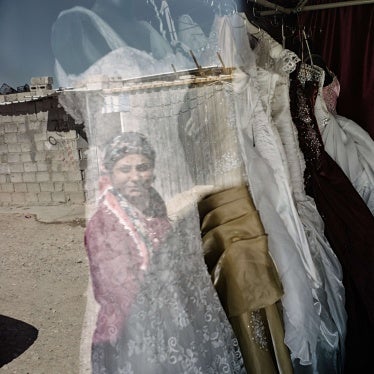
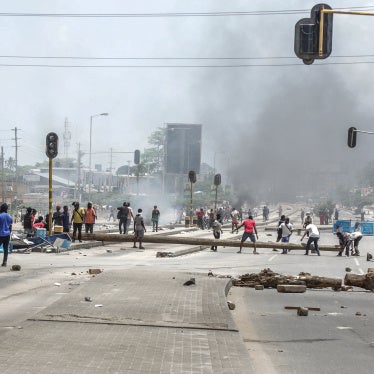
Codifying age-based persecution better recognizes a fact that courts and investigators already know. Children are targeted because of their age, whether for sexual violence against very young girls in the Democratic Republic of Congo, systematic denial of education in Cameroon from armed separatists' attacks on schools, or recruitment and use as soldiers in Myanmar.
Already, sixteen countries proposed amendments adding age to the working draft of the new treaty on crimes against humanity’s definition of persecution. More should support the proposal before countries begin formal negotiations in 2028.
Making the law more explicit will pave a clearer path to justice for children who are targeted simply because they are children.