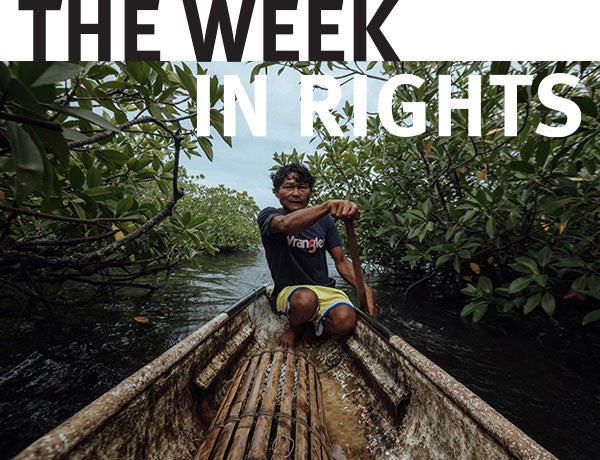
In December 2021, Typhoon Odette swept across the Philippines, flattening homes, killing hundreds of people, and displacing thousands. Entire coastal communities were left without shelter, clean water, or access to public services.
Philippine authorities have since sought to relocate entire communities displaced by the storm to areas deemed safer. But they’ve done so while ignoring the rights of those affected, particularly people with disabilities.
On Siargao island in the southern Philippines, initiatives for relocation have lacked meaningful consultation, accessible information, and inclusive participation, undermining rights and putting residents at risk of future extreme weather events.
Human Rights Watch spoke to dozens of people on Siargao island, many with disabilities, who described significant obstacles in evacuating and staying safe during and after the storm. A new interactive multimedia feature tells their stories with photos and videos from the island.
>> View the web feature: After the Storm
As climate change accelerates, the number of people displaced by storms is expected to increase. Authorities have an obligation to establish conditions for durable solutions to assist people displaced by disasters.
Planned relocation, while it can yield successes, should be considered a measure of last resort.
As Philippine authorities continue to navigate assistance for people uprooted by Typhoon Odette and those exposed to climate risks, time is of the essence for inclusive, rights-based solutions.