
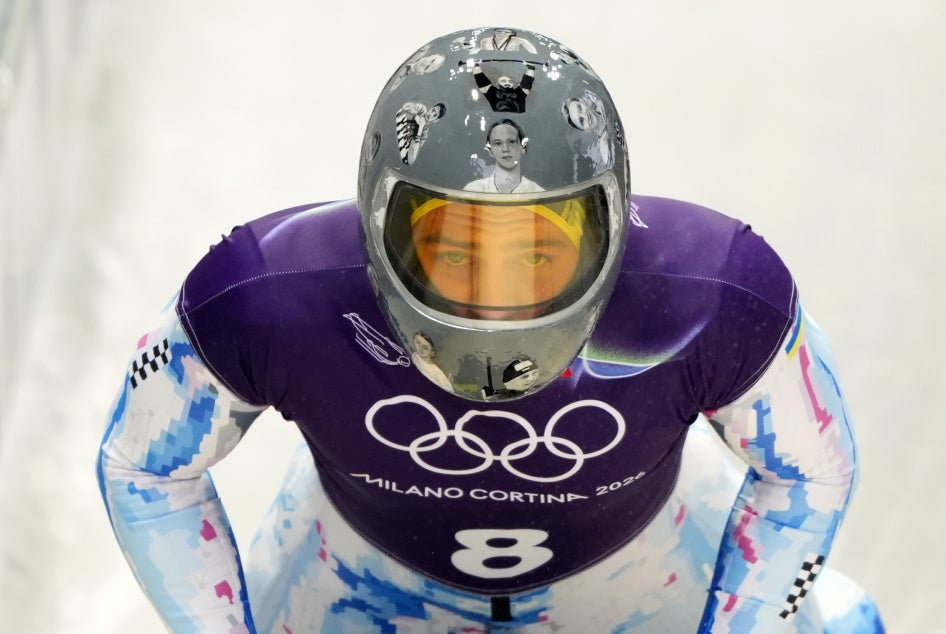
The disqualification of the Ukrainian skeleton athlete Vladyslav Heraskevych from the 2026 Winter Olympics shines a critical light on Rule 50 (2) of the Olympic Charter prohibiting political, racial, or religious “propaganda” at Olympic venues. He was disqualified for wearing a helmet displaying images of Ukrainian athletes killed since Russia’s full-scale invasion of Ukraine.
The decision by the Ad Hoc Division of the Court of Arbitration for Sport, an Olympic panel, while rejecting Heraskevych’s appeal, sympathizes with his motivation to commemorate those who have died. But it found the Athlete Expression Guidelines to be reasonable, proportionate, and correctly applied in this case.
At the 2024 Paris Olympics, an Afghan athlete, Manizha Talash, was disqualified after displaying the message “Free Afghan Women,” highlighting denial of rights to millions of women and girls under Taliban rule.
The International Olympic Committee (IOC)’s interest in keeping playing grounds free from political propaganda is a legitimate aim, and freedom of speech is not absolute. However, there is a case to be made that commemorating the dead, whether from war, disease, or sexual violence, is not a political statement that could legitimately be banned.
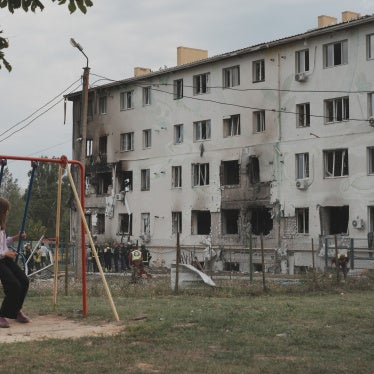
The war has undeniably devastated Ukraine’s sports community, severely limiting athletes’ ability to train and compete, including at the Olympic level. Ukrainian authorities reported in February that more than 650 Ukrainian athletes and coaches have been killed, and that Russian attacks have destroyed over 800 sports facilities, including training centers for Olympians and Paralympians. Many athletes now train without reliable electricity, heat, or water, often amid air sirens and shelling as attacks on their home cities continue.
Athletes do not surrender their human rights in competition and should not feel censored from speaking out on human rights, social justice, racism, or bigotry at the risk of losing all they have trained for. Indeed in 2022, the IOC amended the Olympic Charter to acknowledge their responsibility to abide by “respect for internationally recognized human rights” and adopted a Strategic Framework on Human Rights.
The IOC and other international sports bodies need to assess the human-rights impact of their rules and ensure they protect both the integrity of competition and fundamental rights. Rules designed to keep sport free from propaganda should not silence remembrance of victims or expression about serious human rights abuses.