US Expulsions of Third-Country Nationals to Countries in Africa
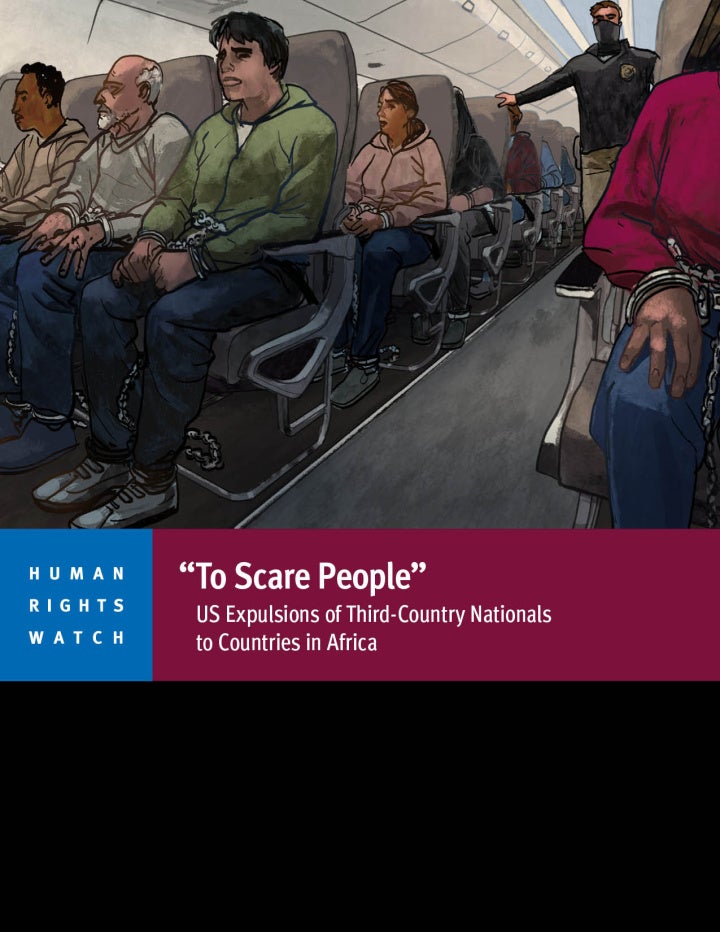
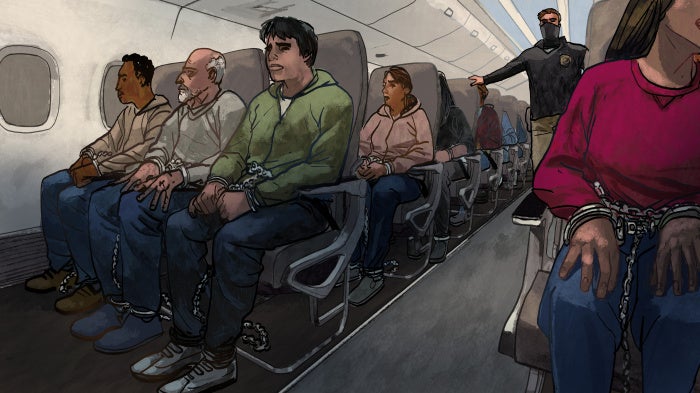
The 125-page report, “‘To Scare People’: US Expulsions of Third-Country Nationals to Countries in Africa,” documents that US authorities denied the more than 500 people transferred to third countries a meaningful chance to contest their removals or to articulate their fears of being removed to these countries. Some countries arbitrarily detained people they had accepted, and some have sent people onward to the risk of persecution or torture in their home countries, violating the international law principle of nonrefoulement.
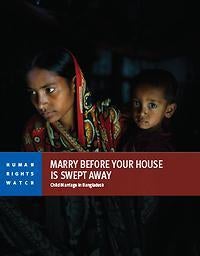
This 134-page report is based on more than a hundred interviews conducted across the country, most of them with married girls, some as young as age 10. It documents the factors driving child marriage in Bangladesh – including poverty, natural disasters, lack of access to education, social pressure, harassment, and dowry.
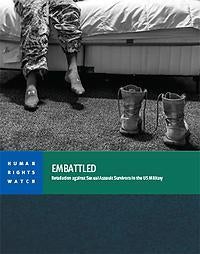
Retaliation against Sexual Assault Survivors in the US Military
This 113-page report finds that both male and female military personnel who report sexual assault are 12 times as likely to experience some form of retaliation as to see their attacker convicted of a sex offense.
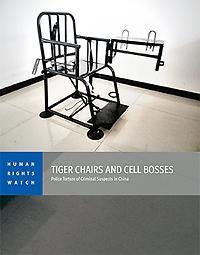
This 145-page report is based on Human Rights Watch analysis of hundreds of newly published court verdicts from across the country and interviews with 48 recent detainees, family members, lawyers, and former officials. Human Rights Watch found that police torture and ill-treatment of suspects in pretrial detention in China remains a serious problem.
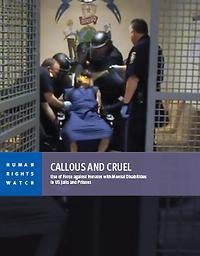
Use of Force against Inmates with Mental Disabilities in US Jails and Prisons
This 127-page report details incidents in which correctional staff have deluged prisoners with painful chemical sprays, shocked them with powerful electric stun weapons, and strapped them for days in restraining chairs or beds. Staff have broken prisoners’ jaws, noses, ribs; left them with lacerations requiring stitches, second-degree burns, deep bruises, and damaged internal organs.
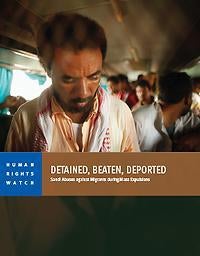
Saudi Abuses against Migrants during Mass Expulsions
This 36-page report draws on interviews with 60 workers deported to Yemen and Somalia who experienced serious abuses during the expulsion campaign. They described beatings and detention in poor conditions before they were deported.
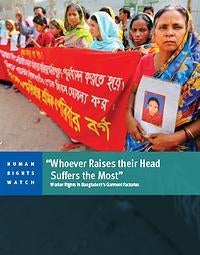
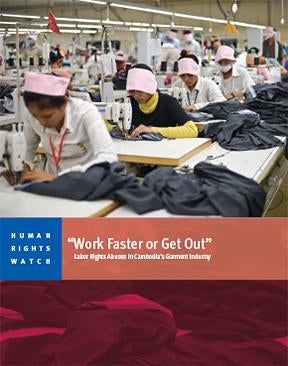
This 78-page report is based on interviews with more than 160 workers from 44 factories, most of them making garments for retail companies in North America, Europe, and Australia.
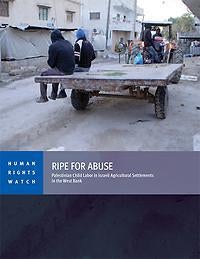
Palestinian Child Labor in Israeli Agricultural Settlements in the West Bank
This 74-page report documents that children as young as 11 work on some settlement farms, often in high temperatures. The children carry heavy loads, are exposed to hazardous pesticides, and in some cases have to pay themselves for medical treatment for work-related injuries or illness.
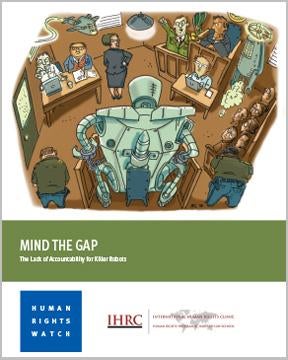
This 38-page report details significant hurdles to assigning personal accountability for the actions of fully autonomous weapons under both criminal and civil law. It also elaborates on the consequences of failing to assign legal responsibility. The report is jointly published by Human Rights Watch and Harvard Law School’s International Human Rights Clinic.
Indiscriminate Attacks by Opposition Groups in Syria
This 79-page report documents scores of attacks in heavily populated, government-controlled areas in Damascus and Homs between January 2012 and April 2014, and which continue into 2015. The findings are based primarily on victim and witness accounts, on-site investigations, publicly available videos, and information on social media sites.
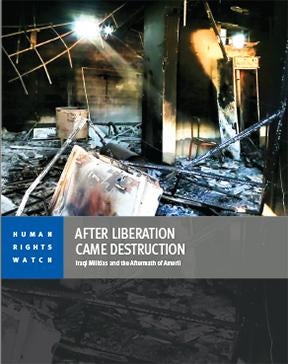
This <a href="http://features.hrw.org/features/HRW_2015_reports/Iraq_Amerli/index.htm… report</a> documents, through field visits, analysis of satellite imagery, interviews with victims and witnesses, and review of photo and video evidence, that militias looted property of Sunni civilians who had fled fighting, burned their homes and businesses, and destroyed at least two entire villages.
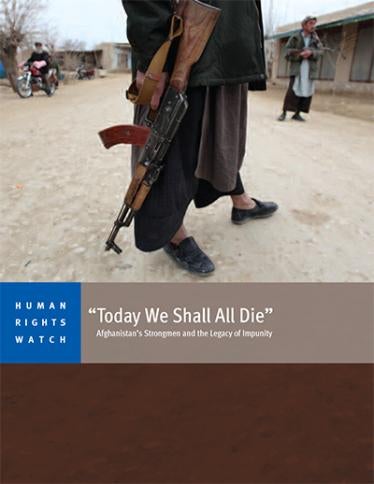
Afghanistan’s Strongmen and the Legacy of Impunity
This 96-page report profiles eight “strongmen” linked to police, intelligence, and militia forces responsible for serious abuses in recent years. The report documents emblematic incidents that reflect longstanding patterns of violence for which victims obtained no official redress.
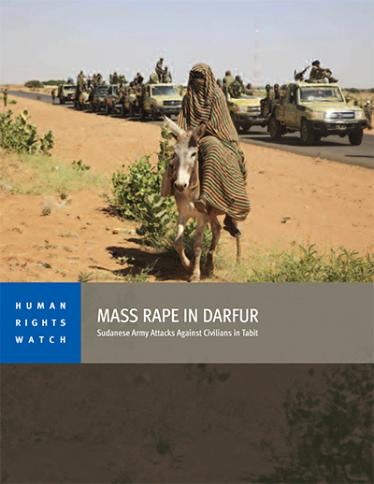
The 48-page report documents Sudanese army attacks in which at least 221 women and girls were raped in Tabit over 36 hours beginning on October 30, 2014. The mass rapes would amount to crimes against humanity if found to be part of a widespread or systematic attack on the civilian population.
This 54-page report says that authorities failed to hold anyone accountable for attacks on journalists and media outlets since 2012, most of which were committed by non-state actors. Meanwhile, courts are prosecuting people, including journalists, for speech-related offenses, particularly for defaming public officials.