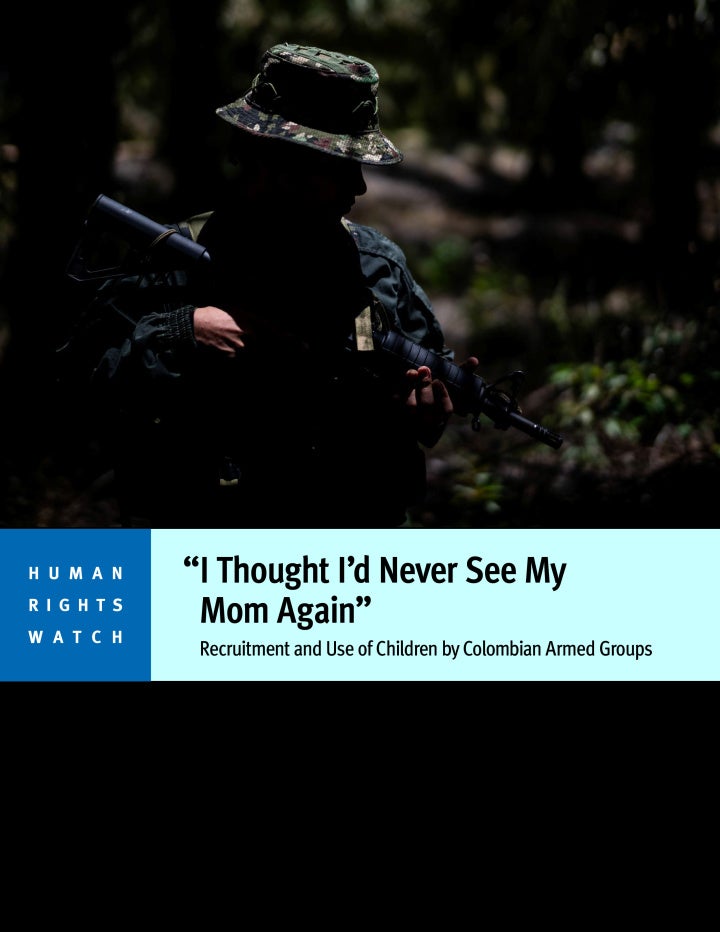
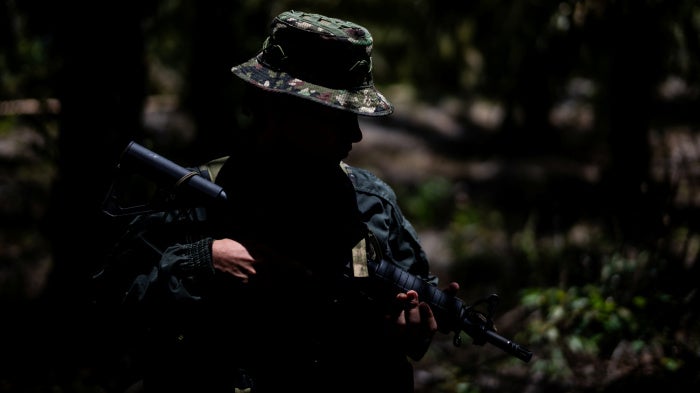
Recruitment and Use of Children by Colombian Armed Groups
The 102-page report, “‘I Thought I’d Never See My Mom Again’: Recruitment and Use of Children by Colombian Armed Groups,” examines the dynamics of child recruitment, the factors that place children at risk, and the strategies and tools used by armed groups, including through social media platforms, to recruit them. Researchers also analyzed the government’s response and its shortcomings in preventing child recruitment, protecting and rescuing children, assisting the reintegration of those who have been released, and prosecuting the individuals responsible.
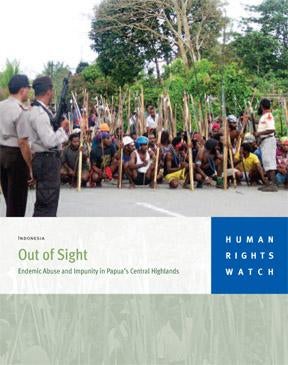
Endemic Abuse and Impunity in Papua’s Central Highlands
This 81-page report is the product of more than a year of research. The report documents daily abuses by police officers and other security forces in the mountainous and isolated Central Highlands area of the Indonesian province of Papua, located on the western half of the island of New Guinea.
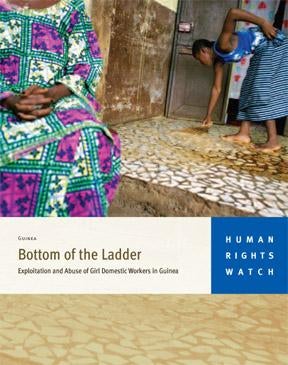
Exploitation and Abuse of Girl Domestic Workers in Guinea
This 110-page report documents how girls as young as 8 years old work up to 18 hours a day as domestic workers, frequently without pay, and are often insulted, beaten and raped by their employers.
In this backgrounder, Human Rights Watch said that although Khadr was just 15 when he was arrested, the United States has completely ignored his juvenile status throughout his detention. The US government incarcerated him with adults, reportedly subjected him to abusive interrogations, failed to provide him any educational opportunities, and denied him any direct contact with his family.
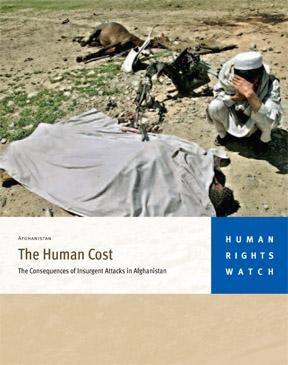
The Consequences of Insurgent Attacks in Afghanistan
This 116-page report describes how Afghan insurgent groups, primarily Taliban and Hezb-e Islami forces, sharply escalated bombing and other attacks in 2006 and early 2007. The report is based on dozens of interviews with civilian victims of attacks and their families and a lengthy review of available documents and records.
Violations of the Rights of Children in Detention in Burundi
This 62-page report documents the many types of human rights violations that children experience in pre-trial detention, in the investigation and prosecution of cases, and while in prison.
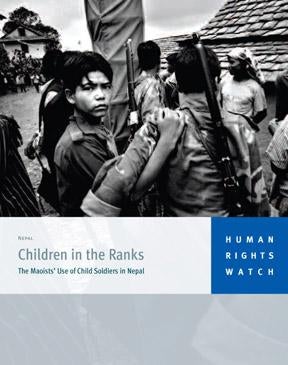
This 72-page report describes how the Maoists in Nepal have continued using child soldiers, and even recruited more children, despite signing a Comprehensive Peace Agreement with the Nepali government on November 21. The peace agreement commits both sides to stop recruiting child soldiers.
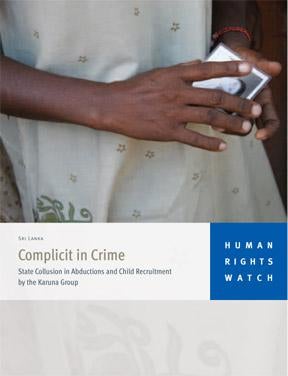
State Collusion in Abductions and Child Recruitment by the Karuna Group
In this 100-page report, Human Rights Watch documents a pattern of abductions and forced recruitment by the Karuna group in Sri Lanka over the past year. With case studies, maps and photographs, it shows how Karuna cadres operate with impunity in government-controlled areas, abducting boys and young men, training them in camps, and deploying them for combat.
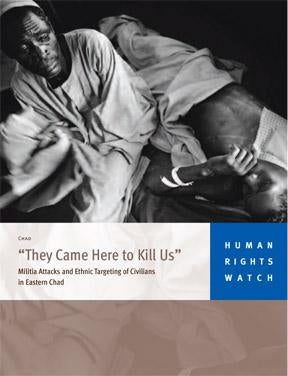
Militia Attacks and Ethnic Targeting of Civilians in Eastern Chad
This 70-page report documents a drastic deterioration in the human rights situation in eastern Chad, where more than 300 civilians were killed and at least 17,000 people displaced in militia violence in November 2006 alone. In most instances, civilians were targeted on the basis of ethnic identity.
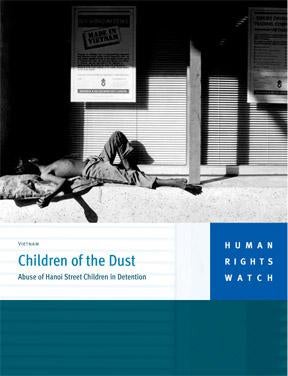
This 77-page report documents cases of serious violations of the rights of street children in Hanoi. Police routinely round up street children in arbitrary sweeps and deposit them at state “rehabilitation” centers – euphemistically called “Social Protection Centers” – where they are detained for periods ranging from two weeks to as much as six months.
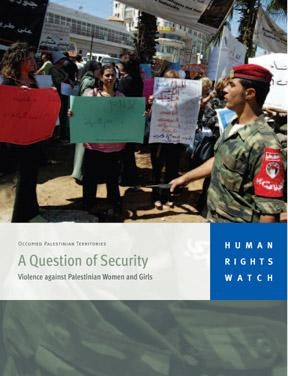
This 101-page report, based on field research conducted in the West Bank and Gaza in November 2005 and early 2006, documents dozens of cases of violence ranging from spousal and child abuse to rape, incest and murders committed under the guise of family “honor.” There is increasing recognition of the problem, and some PA officials have indicated their support for a more vigorous government res
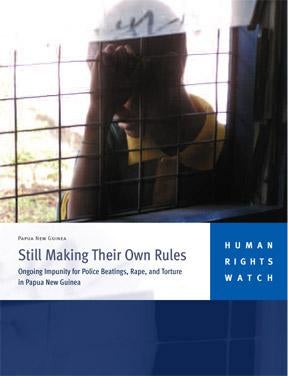
Ongoing Impunity for Police Beatings, Rape, and Torture in Papua New Guinea
This 50-page report is a follow-up to Human Rights Watch’s 2005 report on police violence against children. The report tracks developments in 2005 and 2006, and determines that abusive police officials rarely face punishment. Police violence against children remains rampant in Papua New Guinea, despite recent juvenile justice reform efforts.
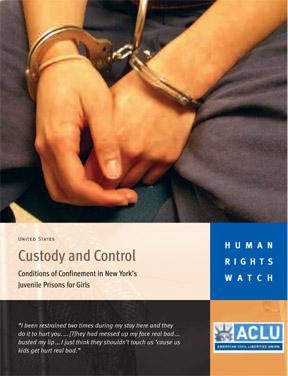
Conditions of Confinement in New York’s Juvenile Prisons for Girls
This 136-page report provides an in-depth look at the abuses and neglect suffered by girls confined in two remote New York State juvenile facilities known as Tryon and Lansing. The facilities are operated by the New York Office of Children and Family Services (OCFS) and are the only two higher-security facilities in New York State holding girls.
This 58-page briefing paper makes 34 recommendations to the Sri Lankan government and the Liberation Tigers of Tamil Eelam (LTTE), known as the Tamil Tigers, to better protect civilians. Human Rights Watch urges the government and the LTTE to accept a United Nations human rights monitoring mission in Sri Lanka and adopt specific measures to protect the civilian population.
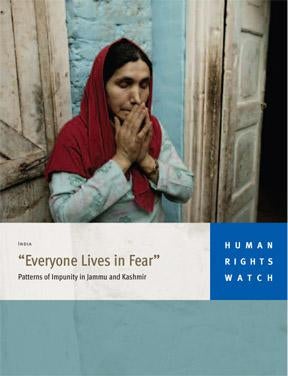
This 156-page report documents recent abuses by the Indian army and paramilitaries, as well as by militants, many of whom are backed by Pakistan. Indian security forces have committed torture, “disappearances” and arbitrary detentions, and they continue to execute Kashmiris in faked “encounter killings,” claiming that these killings take place during armed clashes with militants.
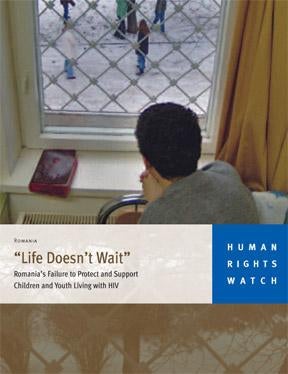
Romania’s Failure to Protect and Support Children and Youth Living with HIV
More than 7,200 Romanian children and youth aged 15 to 19 are living with HIV. The vast majority were infected with HIV between 1986 and 1991 as a direct result of government policies that exposed them to contaminated needles and “microtransfusions” in which small children were injected with unscreened blood in the mistaken belief that this would improve their immunological status.