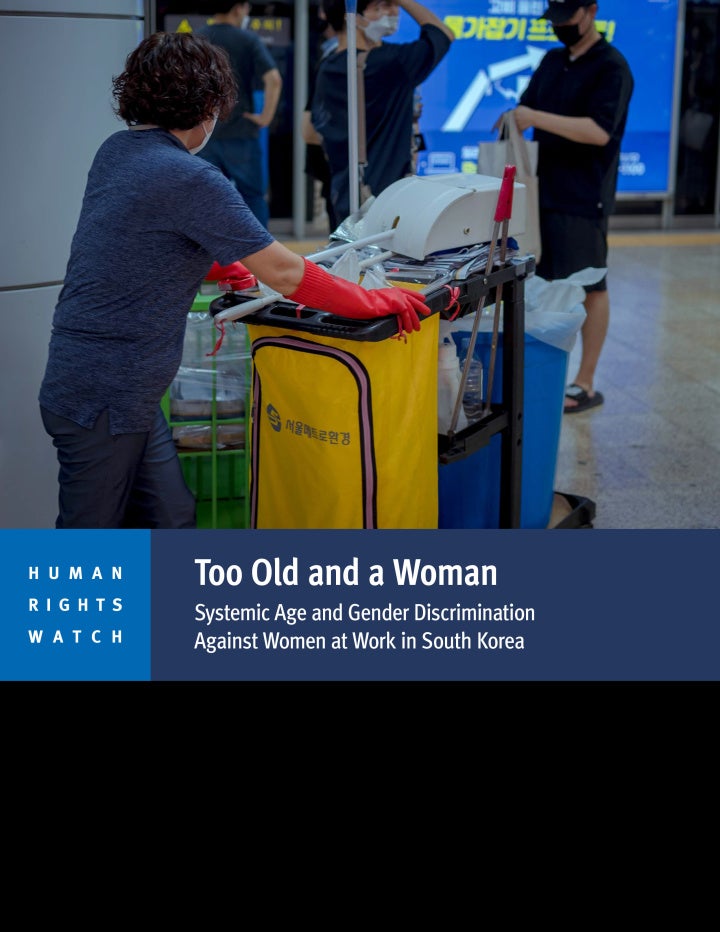
Systemic Age and Gender Discrimination Against Women at Work in South Korea
The 92-page report, “Too Old and a Woman: Systemic Age and Gender Discrimination Against Women at Work in South Korea,” documents that social attitudes toward education, unfair treatment in hiring, disrupted careers due to family responsibilities, limited promotion opportunities, glass ceilings, and sexual harassment create a disadvantage for South Korean women throughout their working lives. As women get older, their work opportunities narrow to a handful of low-paid, insecure jobs, and the gender pay gap increases. By the time they are eligible for pensions, women face a significant gender pension gap.
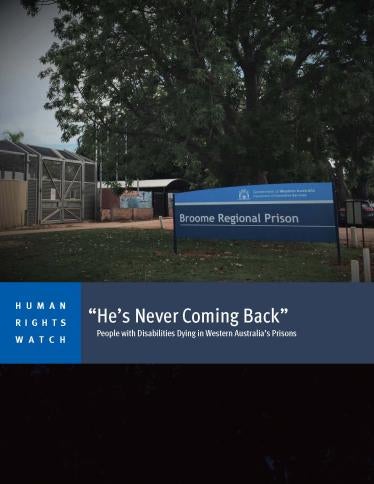
People with Disabilities Dying in Western Australia’s Prisons
The 42-page report, “‘He’s Never Coming Back’: People with Disabilities Dying in Western Australia’s Prisons” examines the serious risk of self-harm and death for prisoners with mental health conditions, particularly Aboriginal and Torres Strait Islander prisoners, in Western Australia, nearly 30 years after the 1991 Royal Commission into Aboriginal Deaths in Custody. A Human Rights Watch analysis of coroners’ inquest and media reports between 2010 and 2020 found that about 60 percent of adults who died in prisons in Western Australia had a disability, including mental health conditions. Of the 60 percent, 58 percent died as a result of lack of support, suicide, or targets of violence – and half of these deaths were of Aboriginal and Torres Strait Islander prisoners.
Family Violence against People with Disabilities in Mexico
The 71-page report, “‘Better to Make Yourself Invisible’: Family Violence against People with Disabilities in Mexico,” documents the abuse and neglect many people with disabilities face at the hands of their families, with whom they are often trapped due to a lack of government support for independent living. Human Rights Watch also describes the often-insurmountable challenges people with disabilities face in accessing justice and protection from their abusers.
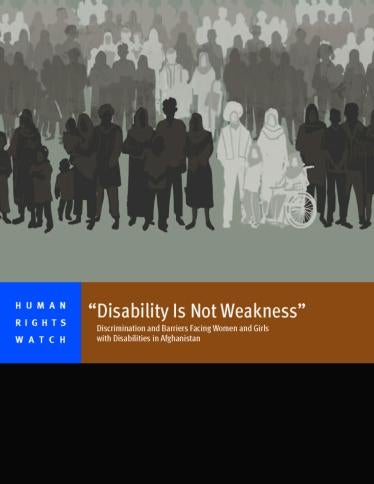
Discrimination and Barriers Facing Women and Girls with Disabilities in Afghanistan
The 31-page report, “‘Disability Is Not Weakness’: Discrimination and Barriers Facing Women and Girls with Disabilities in Afghanistan,” details the everyday barriers that Afghan women and girls with disabilities face in one of the world’s poorest countries. Decades of conflict have decimated government institutions, and development efforts have failed to reach many communities most in need. The Afghan government should urgently reform policies and practices that prevent women and girls with disabilities from enjoying their basic rights to health, education, and work. Afghanistan’s donors should support and advocate for the rights of all Afghans with disabilities.
How Aged Care Facilities in Australia Chemically Restrain Older People with Dementia
This report found that instead of providing support to older people with dementia, facilities use drugs to control their behavior, a practice known as chemical restraint. Many of the drugs used to control people in aged care facilities are antipsychotics that are not approved in Australia for older people with dementia. In addition to the physical, social, and emotional harm for older people restrained with these drugs, the use of these drugs in older people with dementia is also associated with an increased risk of death.
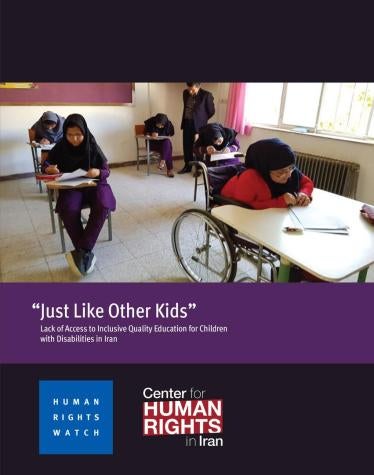
Lack of Access to Inclusive Quality Education for Children with Disabilities in Iran
This report documents discrimination and barriers to education in the country’s public school system for most children with disabilities. A major obstacle is a mandatory government medical test that can exclude them from education altogether, the groups found. Additional barriers include inaccessible school buildings, discriminatory attitudes of school staff, and lack of adequate training for teachers and school administrators in inclusive education methods.
Education for Children with Disabilities in Kazakhstan
This report shows that Kazakhstan’s education system segregates and isolates children with disabilities. Even for children who can access schools in their communities, most are taught in separate classrooms with other children with disabilities. Thousands are in special schools for children with disabilities, often far from their homes. Others are educated at home, with a teacher visiting for a few hours per week at best. Children in closed psychiatric institutions receive very little or no education.
Barriers for Children with Disabilities in the European School System
This report found that while European Schools are paying increasing attention to inclusion, children with disabilities continued to face problems. They are rejected, pressured into changing schools, or are not provided with appropriate accommodations and support to allow them to learn and thrive in an inclusive environment.
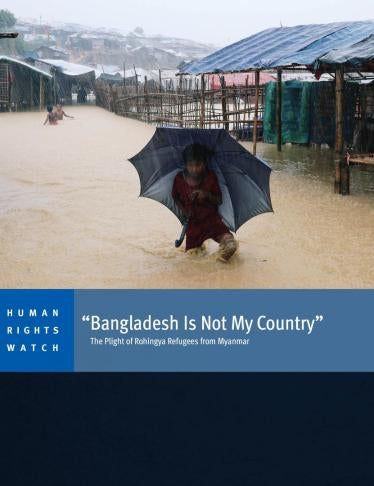
This report is based on a May 2018 visit to Cox’s Bazar. Human Rights Watch found that the mega camp is severely overcrowded. The average usable space is 10.7 square meters per person, compared with the recommended international standard of 45 square meters per person. Densely packed refugees are at heightened risk of communicable diseases, fires, community tensions, and domestic and sexual violence. Bangladeshi authorities should relocate Rohingya refugees to smaller, less densely packed camps on flatter, accessible, nearby land within the same Ukhiya subdistrict where the mega camp is located, Human Rights Watch said.
Discrimination and Lack of Accessibility for People with Disabilities in Iran
This report documents the everyday barriers people with disabilities meet when going to government offices, healthcare centers, and when using public transportation. People with disabilities also regularly face stigma and discrimination from government social workers, healthcare workers, and others. Many remain trapped in their homes, unable to live independently and participate in society on an equal basis with others. The Iranian authorities should immediately amend discriminatory laws and practices and create a clear plan for making public services and facilities accessible.
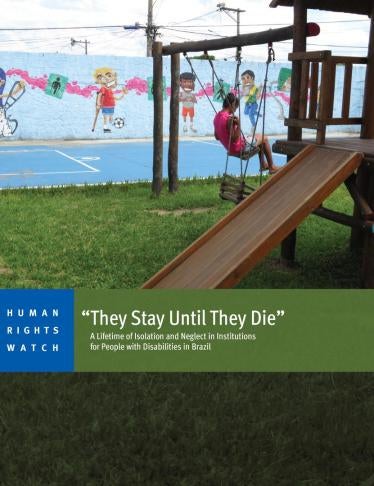
A Lifetime of Isolation and Neglect in Institutions for People with Disabilities in Brazil
This report found that many people with disabilities enter institutions as children and remain there for their entire lives. Most of these institutions visited by Human Rights Watch researchers did not provide for more than people’s basic needs, such as food and hygiene, with scarce contact with the community and little opportunity for personal development. Some residents are tied to their beds and given sedatives to control them.
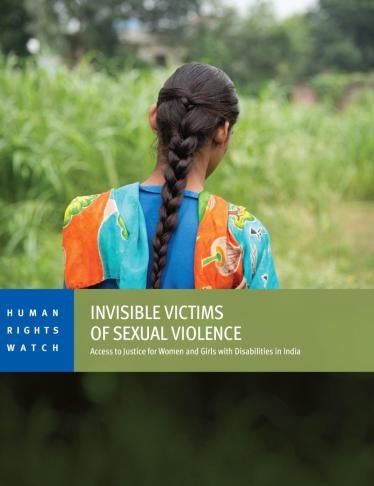
Access to Justice for Women and Girls with Disabilities in India
This report details the challenges many women and girls with disabilities face throughout the justice process: reporting abuse to the police, obtaining appropriate medical care, having complaints investigated, navigating the court system, and getting adequate compensation.
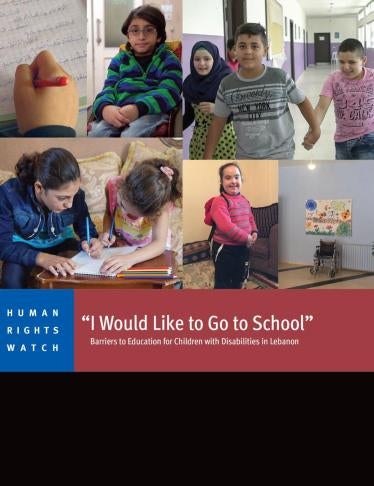
Barriers to Education for Children with Disabilities in Lebanon
This report finds that although Lebanese law bars schools from discriminating against children with disabilities, public and private schools exclude many children with disabilities. For those allowed to enroll, schools often lack reasonable accommodations, such as modifications to the classroom environment and curricula or teaching methods to address children’s needs. Schools also require the families of children with disabilities to pay extra fees and expenses that in effect are discriminatory.
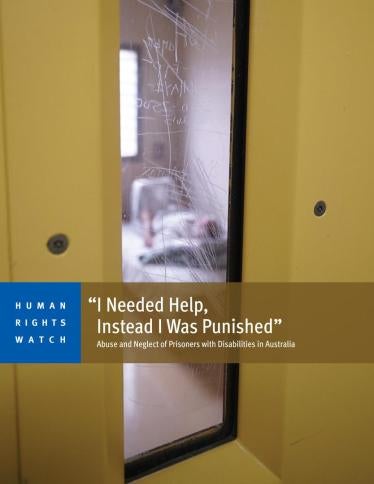
Abuse and Neglect of Prisoners with Disabilities in Australia
This report examines how prisoners with disabilities, including Aboriginal and Torres Strait Islander prisoners, are at serious risk of bullying, harassment, violence, and abuse from fellow prisoners and staff. Prisoners with psychosocial disabilities – mental health conditions – or cognitive disabilities in particular can spend days, weeks, months, and sometimes even years locked up alone in detention or safety units.
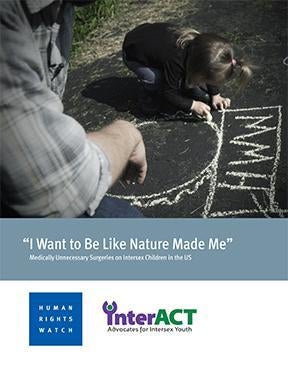
Medically Unnecessary Surgeries on Intersex Children in the US
This report examines the physical and psychological damage caused by medically unnecessary surgery on intersex people, who are born with chromosomes, gonads, sex organs, or genitalia that differ from those seen as socially typical for boys and girls. The report examines the controversy over the operations inside the medical community, and the pressure on parents to opt for surgery.
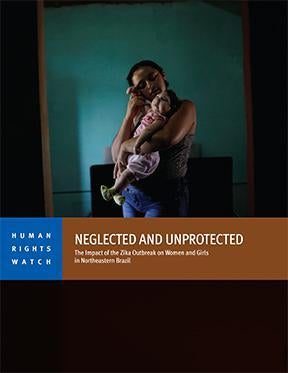
The Impact of the Zika Outbreak on Women and Girls in Northeastern Brazil
This report documents gaps in the Brazilian authorities’ response that have a harmful impact on women and girls and leave the general population vulnerable to continued outbreaks of serious mosquito-borne illnesses. The outbreak hit as the country faced its worst economic recession in decades, forcing authorities to make difficult decisions about allocating resources. But even in earlier times of economic growth, government investments in water and sanitation infrastructure were inadequate. Years of neglect contributed to the water and wastewater conditions that allowed the proliferation of the Aedes mosquito and the rapid spread of the virus, Human Rights Watch found.