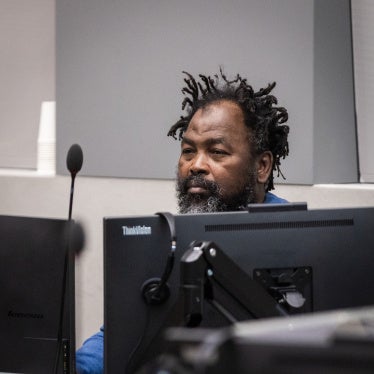
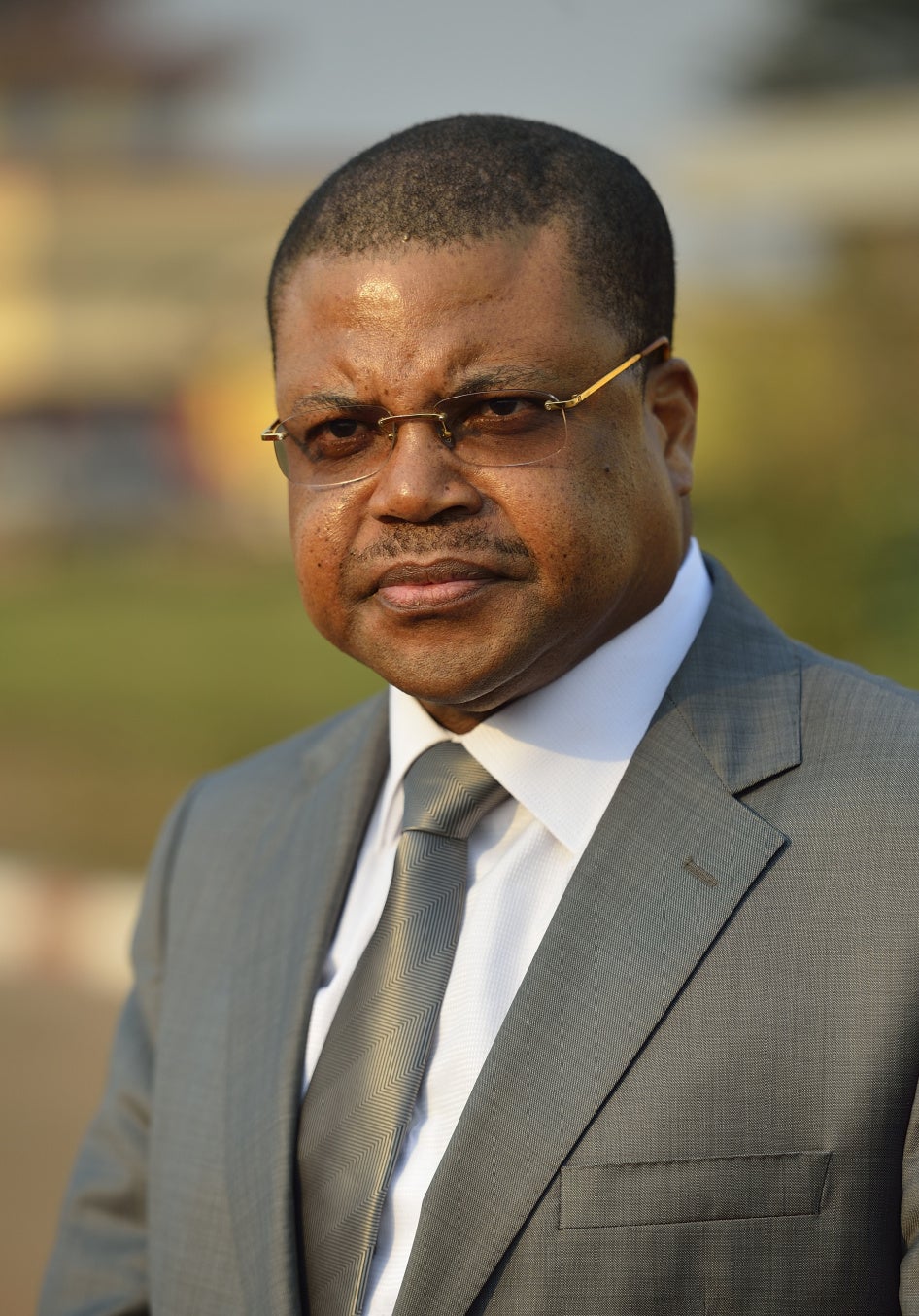
Nicolas Tiangaye, a prominent Central African lawyer, human rights defender, and former prime minister died in Bangui on November 16, at the age of 70. One of the country's most respected rule of law advocates, his career spanned more than four decades.
Tiangaye first came into the spotlight as a young lawyer when he defended the former emperor, Jean-Bédel Bokassa, in 1986. Later he defended the future president, François Bozizé, when he was accused of plotting a coup.
For Tiangaye, the cardinal rule that all defendants must benefit from their right to a fair trial is one he lived by. By the early 1990s, Tiangaye was one of the leading Central African human rights advocates and served as the Bar Association president.
In 1996 he was the lead defense council for Jean-Paul Akayesu before the International Criminal Tribunal for Rwanda. Human Rights Watch strongly advocated for the prosecution of Akayesu hailing his 1998 conviction as a historic international precedent. I once discussed the seminal conviction with Tiangaye and he reiterated that a good lawyer must be willing to defend clients and insist on due process, even in highly charged circumstances.
Throughout the 1990s and 2000s, he spoke out for judicial independence and democratic governance. This often put him at odds with the government. But threats, he said, came with the job.
He regularly ended up at the heart of national politics. Following Bozizé's successful coup, Tiangaye helped draft the 2004 Constitution. In January 2013, then-president Bozizé appointed Tiangaye prime minister amidst national turmoil. He remained in the position after Seleka seized Bangui and committed widespread abuses. Tiangaye despised the Seleka’s crimes, he told me, and he resigned.
He returned to legal practice and his passion: defending the Constitution. He became an outspoken critic of President Faustin-Archange Touadéra's efforts to remove presidential term limits, insisting on constitutional safeguards and political pluralism.
His death is both a professional and personal loss for Human Rights Watch. More importantly, it occurs as independent voices and institutions remain under pressure in the Central African Republic. I spoke with him just last week about detained activists. I wish I asked how he would like to be remembered. I imagine he would have insisted that we not focus on the individual, but on his commitment to the rule of law and human rights—Tiangaye’s ultimate legacy.