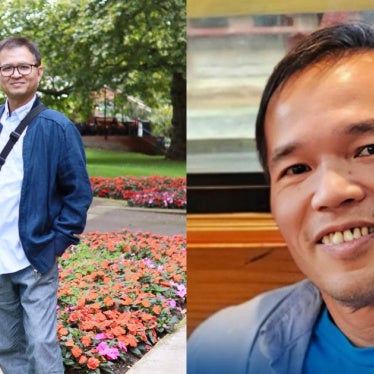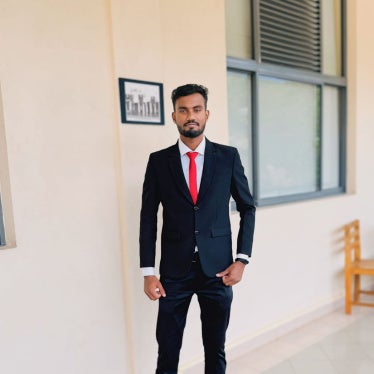
Cambodia’s Supreme Court on October 14 denied opposition activist Voeung Samnang’s request to serve his two sentences concurrently, meaning he will spend 11 years in prison. Samnang had been convicted on charges of “plotting an attack on the state” and received sentences of five and six years.
The case illustrates the Cambodian government’s increased use of vague plotting charges to prosecute opposition activists and social media users and sentence them to long prison terms.
Samnang had been a local commune official for the Cambodia National Rescue Party (CNRP), the opposition party dissolved by the government-controlled Supreme Court in 2017. He fled to Thailand in 2020 after charges were filed against him. In 2021, Thai police arrested him and forcibly returned him to Cambodia, alongside opposition activist Veourn Veasna, despite both being recognized as refugees by the United Nations refugee agency.
Samnang was charged with plotting, convicted and sentenced to five years in prison in 2022 as part of a mass trial of 36 former CNRP leaders and supporters. While incarcerated, he was tried and convicted again in 2023 on additional plotting charges and sentenced to six years in prison. The ostensible evidence against him in both cases was Facebook posts related to the CNRP and his criticism of the government.
Samnang’s wife, Teang Chenda, joined the “Friday Women,” a group of Cambodian women who held regular protests in the capital, Phnom Penh, to call for the release of their imprisoned husbands and sons. The Friday Women have faced harassment from Cambodian authorities during their public protests.
Samnang’s case highlights the government’s unrelenting persecution of the political opposition ahead of next year’s local elections. Veasna, the man arrested alongside Samnang, was charged and convicted in a separate case. He later apologized to then-Prime Minister Hun Sen, joined the ruling Cambodian People’s Party, and was released from prison – part of the government’s systematic use of coerced confessions to discredit political opposition members and activists. Veasna later fled Cambodia and disavowed his defection to the ruling party.