On August 15, 2021, the Taliban captured Afghanistan’s capital, Kabul, marking their feared return to power in the country.
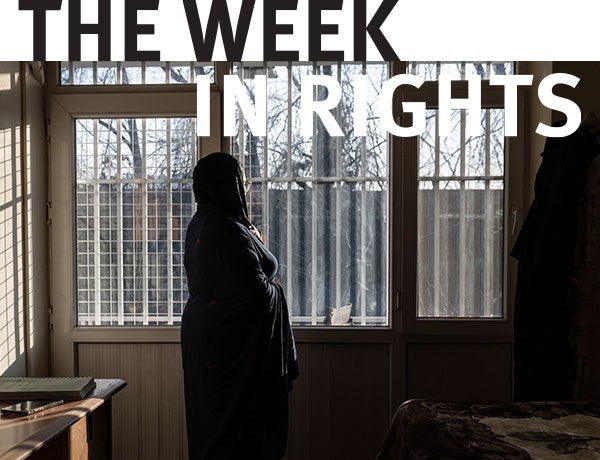
Since then, the Taliban’s increasingly draconian policies have made Afghanistan one of the world’s gravest human rights crises, particularly for women and girls.
Soon after taking power, the Taliban barred women and girls from secondary and higher education. Women have also faced severe restrictions in employment, freedom of expression, and movement outside their homes.
Journalists, activists, and people perceived as critics of the Taliban have also faced intimidation, arbitrary arrest and detention, and torture.
>> A new web feature summarizes Human Rights Watch reporting on Afghanistan over the last few years. Read it here.
Meanwhile, Afghans are also enduring one of the world’s most severe humanitarian crises. Following the cutoff of most foreign assistance to Afghanistan, half the population has needed food and medical assistance. More than 3.7 million children face acute malnutrition, and health services have been severely weakened.
There has been virtually no accountability for abuses over recent decades, but efforts to pursue justice have recently gained new momentum.
Talk is not enough. Governments should commit to pushing the Taliban to end abuses and support creating avenues to justice for victims.