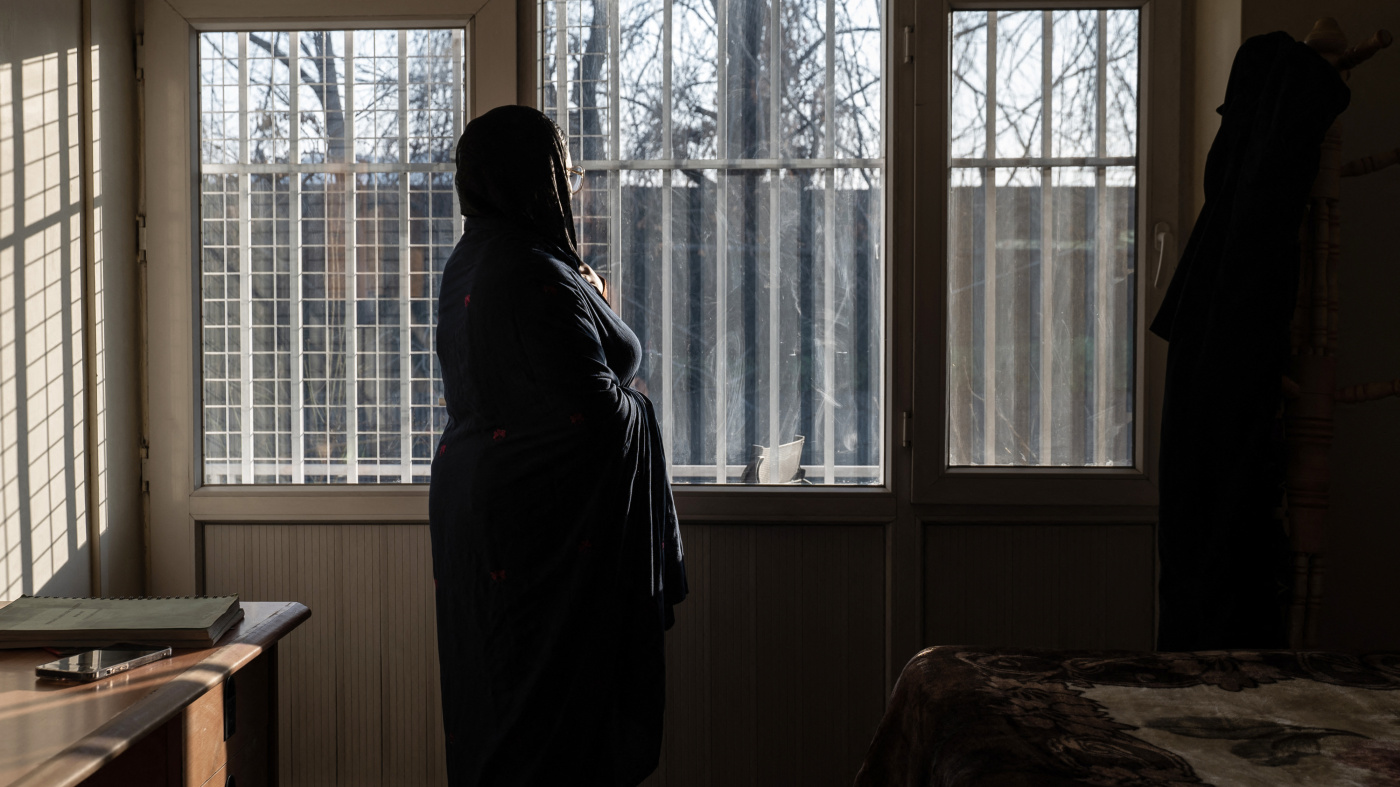
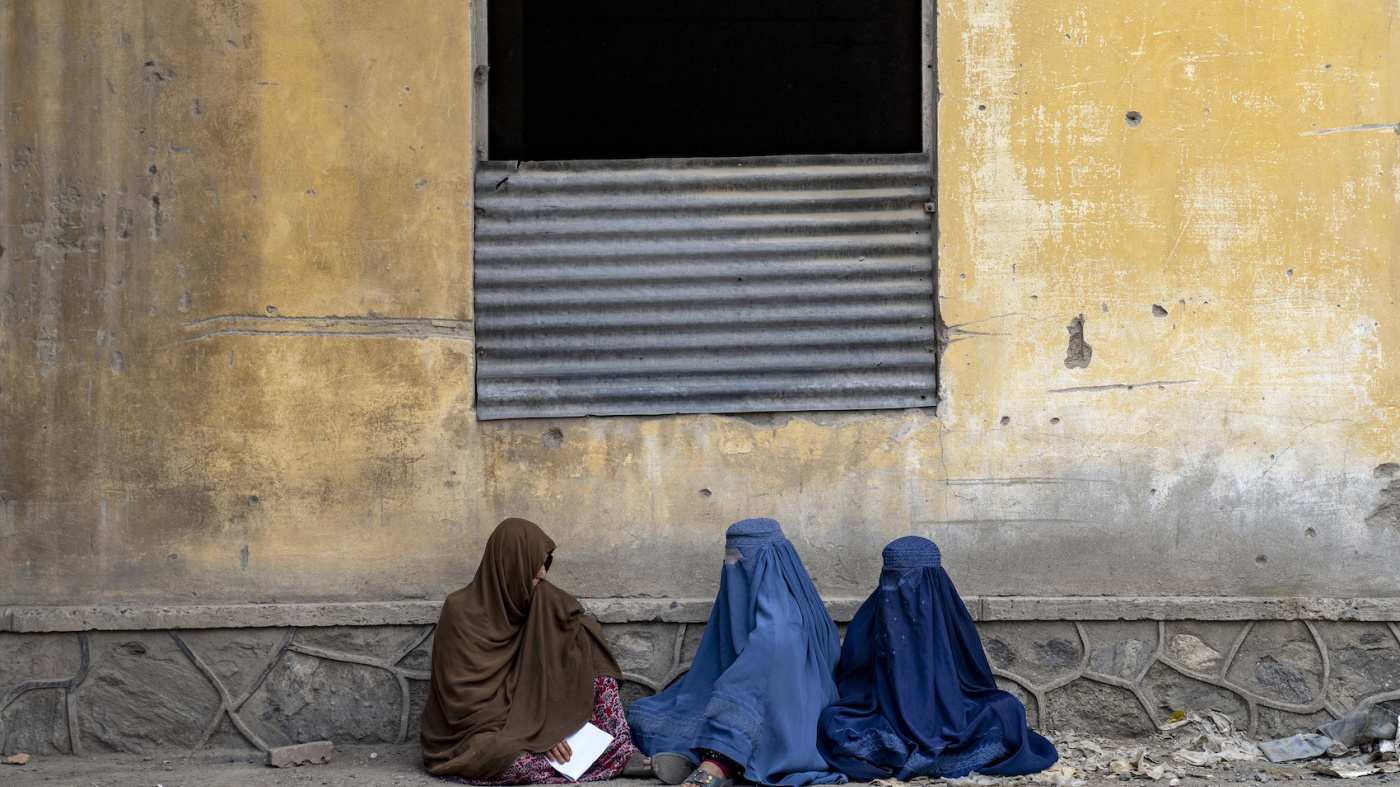
August 15, 2026 will mark five years since the Taliban returned to power in Afghanistan. Over the last five years, the Taliban’s increasingly draconian policies have made Afghanistan one of the world’s gravest human rights crises, particularly for women and girls.
Soon after taking power, the Taliban barred women and girls from secondary and higher education. Women have also faced severe restrictions in employment, freedom of expression, and movement outside their homes, which makes it difficult for humanitarian aid organizations to reach them. Journalists, activists, and people perceived as critics of the Taliban have faced intimidation, arbitrary arrest and detention, and torture. Several hundred members of the former government’s security forces have been victims of enforced disappearance and extrajudicial killing.
Afghans are also enduring a protracted humanitarian crisis. Following the cutoff of most foreign assistance to Afghanistan, half the population has needed food and medical assistance. More than 3.7 million children face acute malnutrition, and health services have been severely weakened. Mass returns of Afghan refugees forced out of Pakistan and Iran have exacerbated the crisis, as most returnees lack housing and sources of subsistence or income.
Renewed armed conflict with Pakistan, along with sporadic attacks by the Islamic State group, have caused hundreds of civilian casualties.
While there has been virtually no accountability for abuses by all parties to the conflict over recent decades, efforts to pursue justice gained new momentum in 2025 with arrest warrants issued by the International Criminal Court and the landmark creation of a UN investigative body.
Below is a summary of Human Rights Watch reporting over the past five years.
1
August 2021 — A Country Changes Overnight
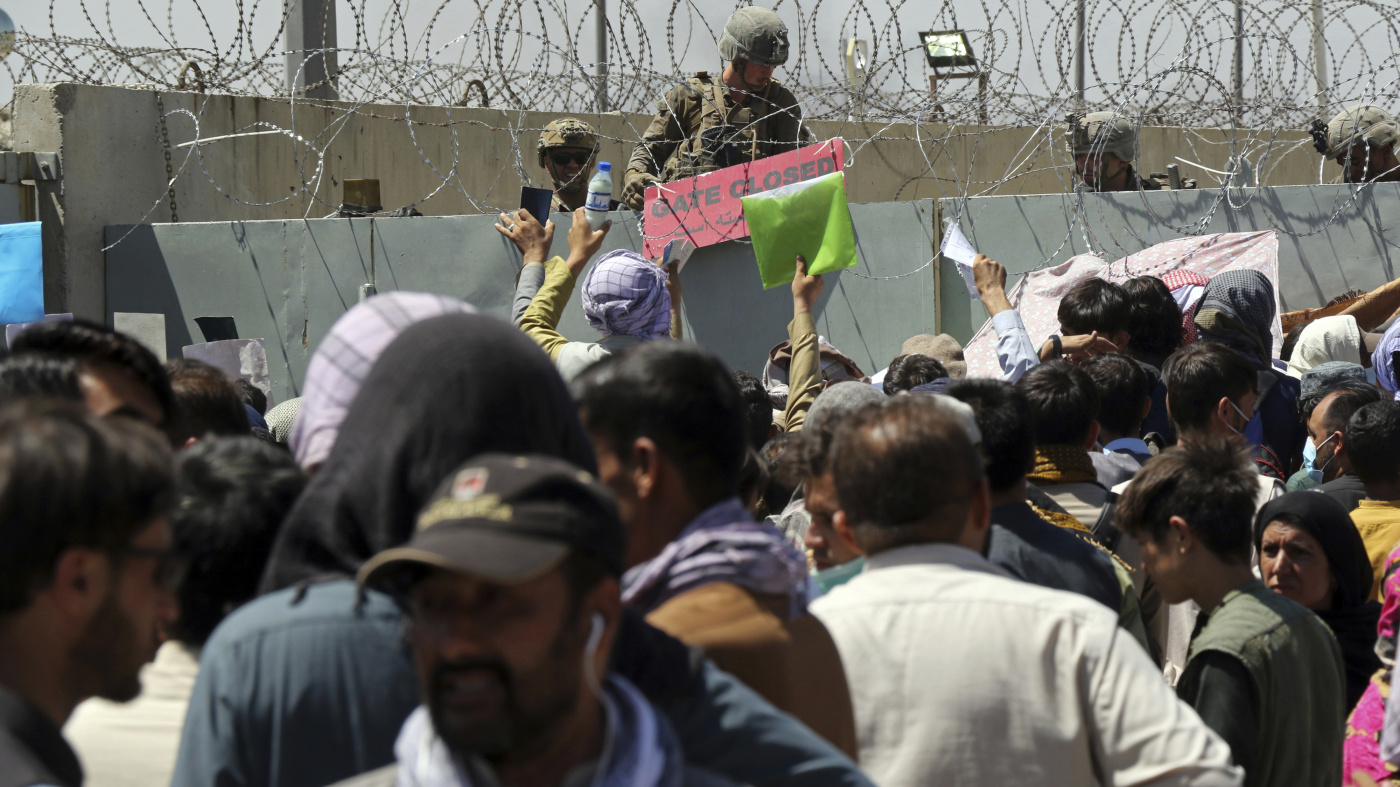
When Taliban forces entered Kabul in August 2021, Afghanistan changed almost overnight. Thousands of people crowded near the airport in a desperate attempt to leave. Journalists, civil society activists, human rights defenders, former government employees including women judges, and people who had worked with Western governments all feared reprisals. Public assurances from Taliban leaders were quickly undercut by reports of threats and house searches.
Read more: Afghanistan: Taliban Rights Pledges Raise Concerns
2
“No Forgiveness for People Like You”
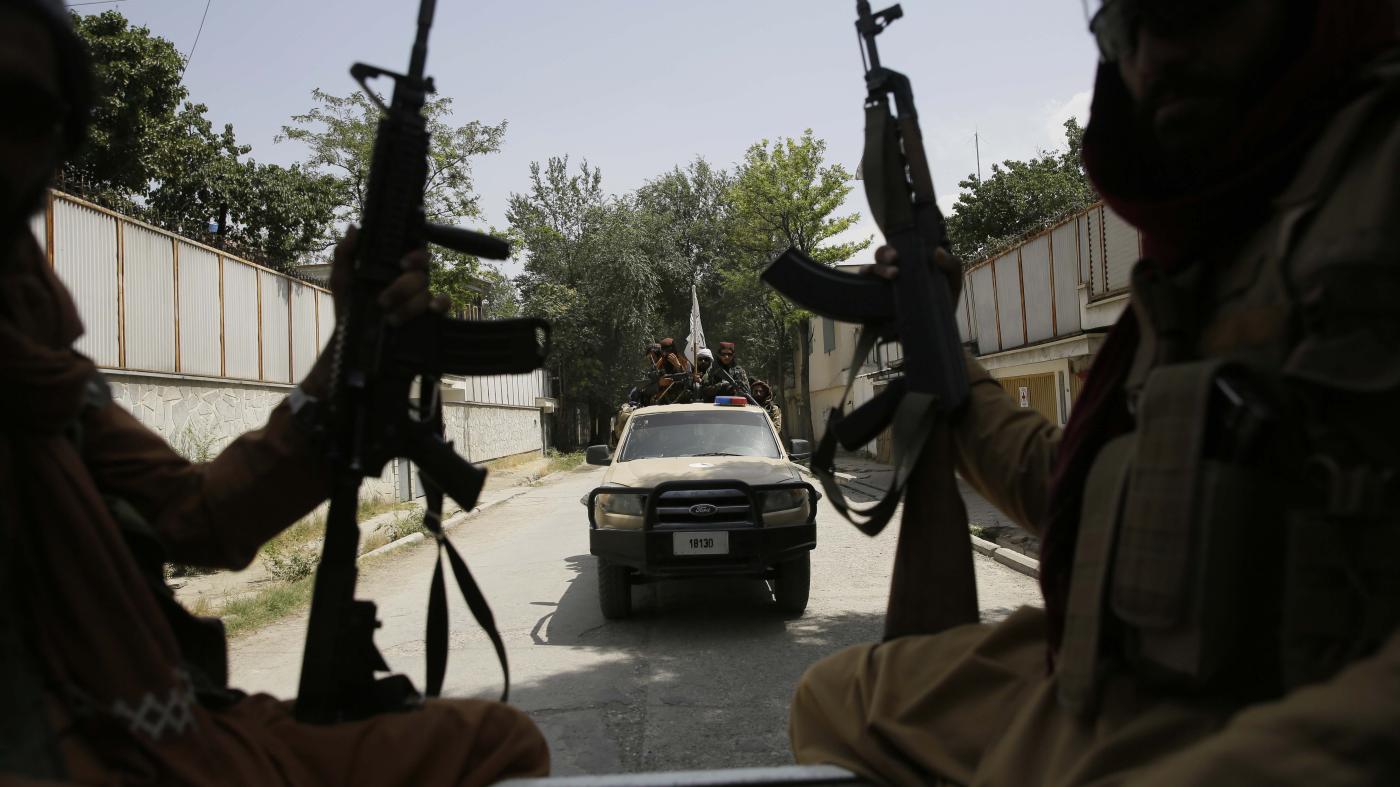
After taking power, Taliban forces carried out revenge killings against former government security personnel, despite public promises of amnesty. Human Rights Watch documented summary executions and enforced disappearances in several provinces across the country.
Read more: “No Forgiveness for People Like You”
3
Taliban Severely Restrict Media
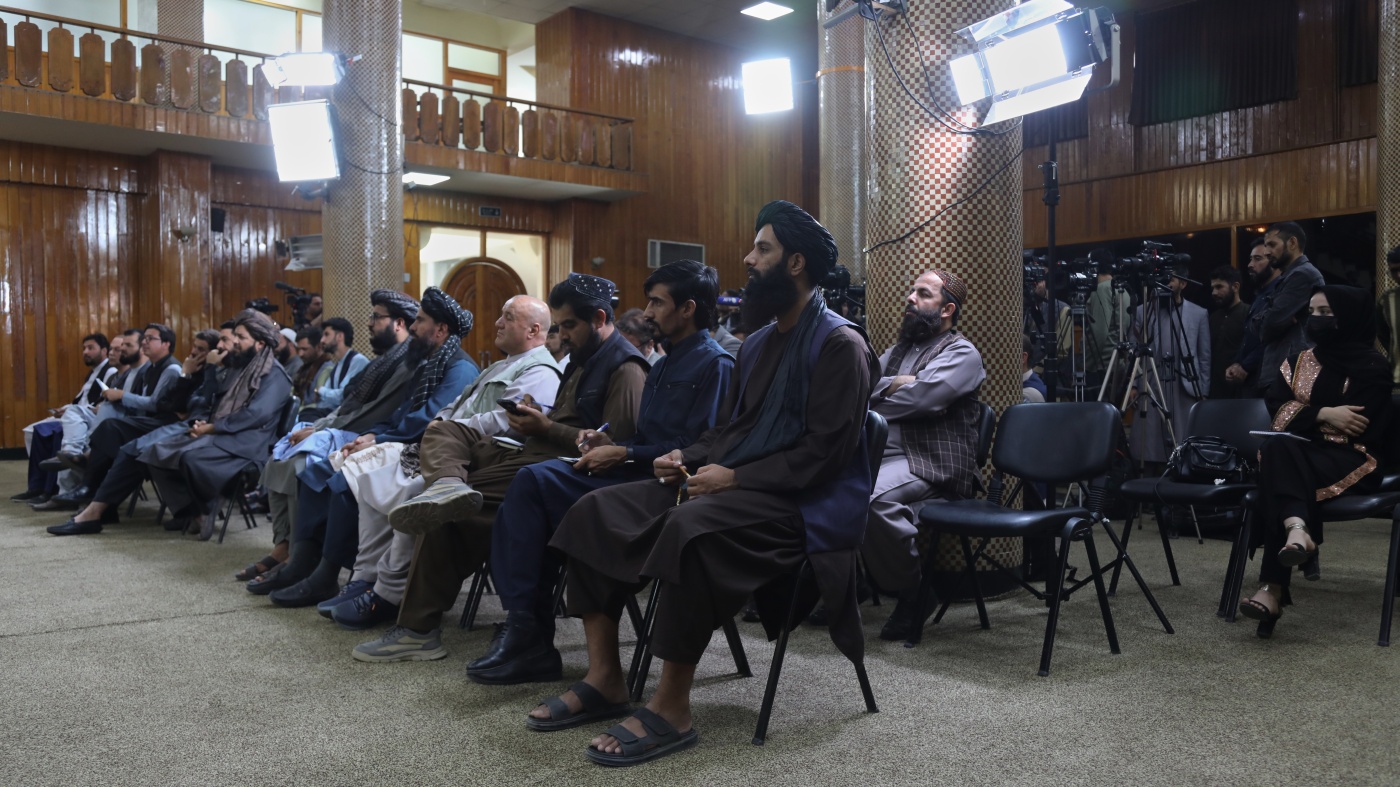
The Taliban acted almost immediately to restrict independent media. Taliban forces beat and detained journalists, imposed restrictions on reporting, and monitored newsrooms. Hundreds of media outlets closed, funding dried up, and many reporters fled the country or stopped working. Women journalists were especially affected and pushed off the air or out of newsrooms. The shrinking of civic space made independent reporting increasingly difficult.
Read more: Afghanistan: Taliban Trample Media Freedom
4
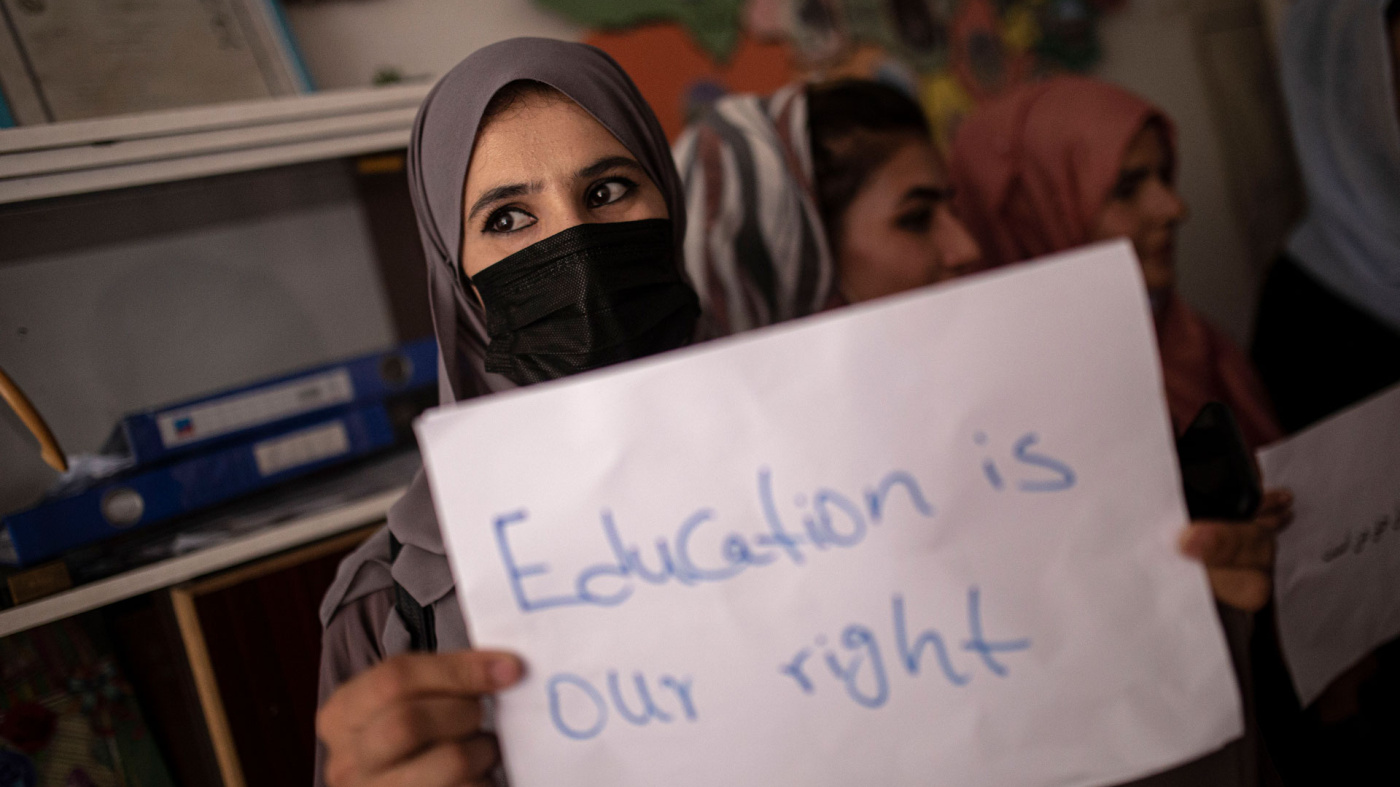
Ban on Secondary Education for Girls
The Taliban banned secondary education for girls in March 2022, affecting an entire generation. Girls who had expected to become doctors, teachers, engineers, or journalists were told to stay home after sixth grade.
Read more: Afghan Girls’ Education: ‘I Don’t Think I Have a Future
5
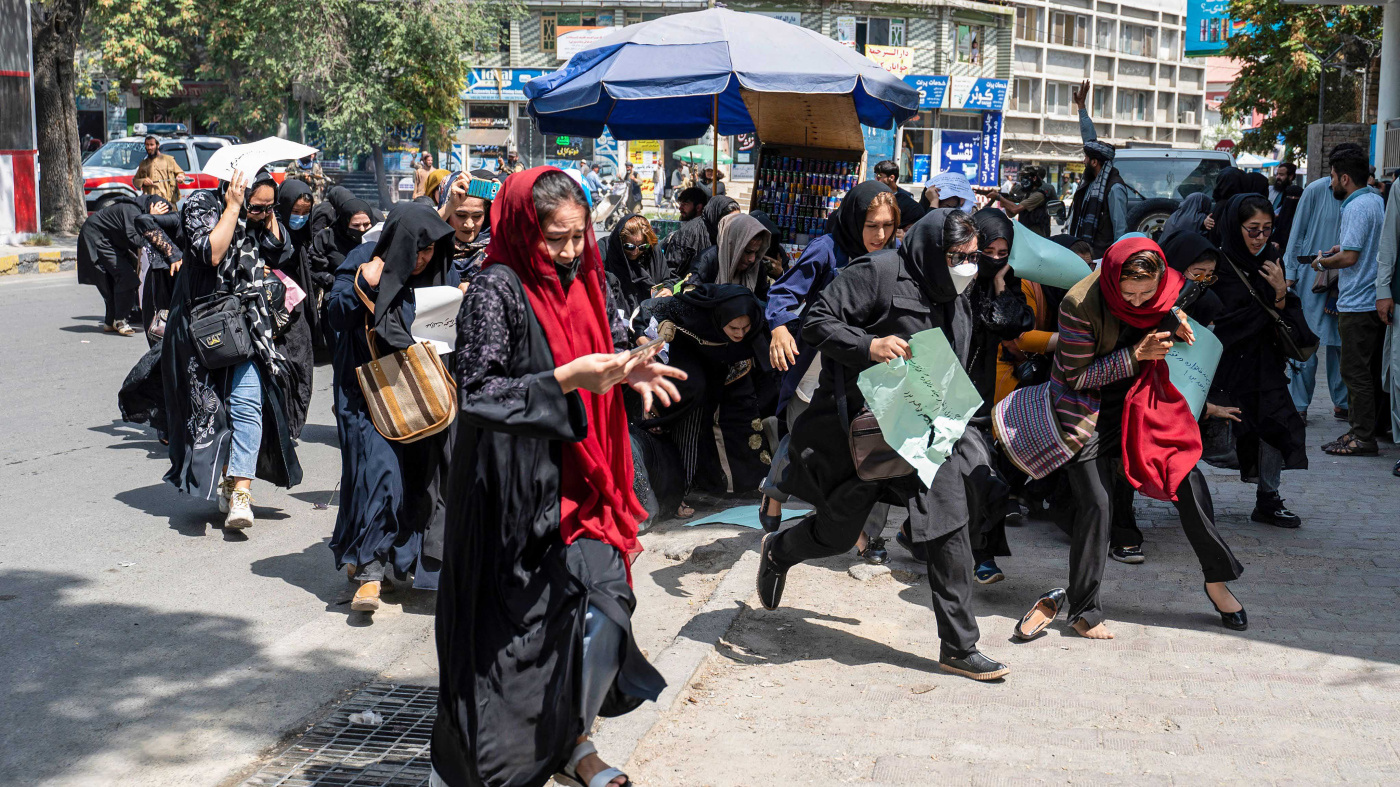
Women Resisting Face Abuse and Torture
Afghan women protesters became the face of resistance under Taliban rule, demonstrating in Kabul, Herat, Bamiyan, and other provinces. Taliban forces responded with violence, beatings, threats, and arbitrary arrests. Some women were detained, held incommunicado, pressured to confess, and warned never to protest again.
“Bread, work, freedom” became a rallying cry for Afghan women who continued to protest despite surveillance, threats and arrests. Their resistance has remained one of the clearest reminders that Afghan women have acted as leaders demanding their rights.
Read more: Afghanistan: Women Protesters Detail Taliban Abuse
6
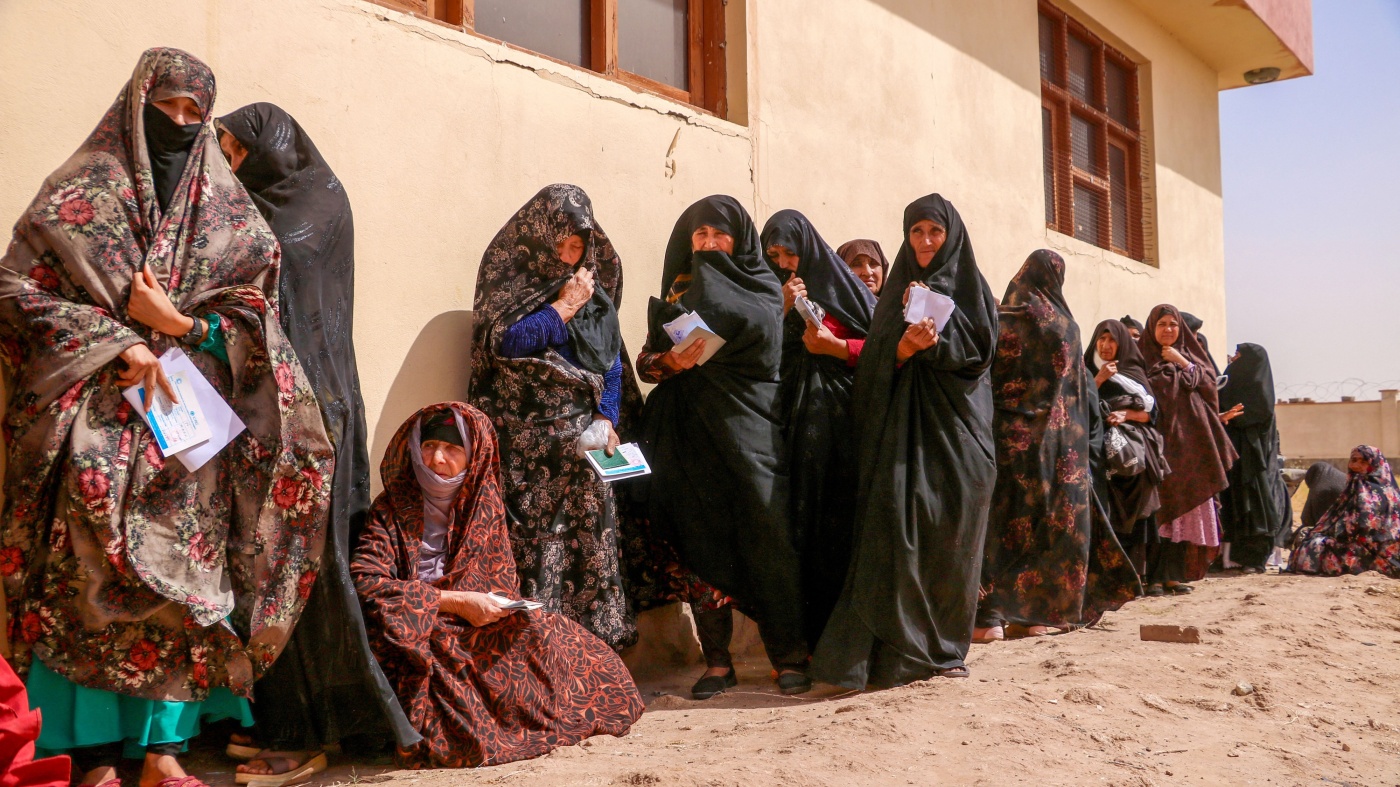
Afghanistan Facing a Humanitarian Crisis
The loss of foreign financial support and assistance following the Taliban takeover accelerated Afghanistan’s economic collapse and humanitarian crisis. As funding for public services severely decreased and many jobs were lost with the departure of foreign forces, many families were forced into poverty and skipped meals to survive. Taliban restrictions on women aid workers made it harder for humanitarian agencies to reach women and girls, even as they required greater assistance. Hunger, poverty, and preventable illness became daily realities for millions.
Read more: Hard Choices in Afghanistan’s Humanitarian Crisis
7
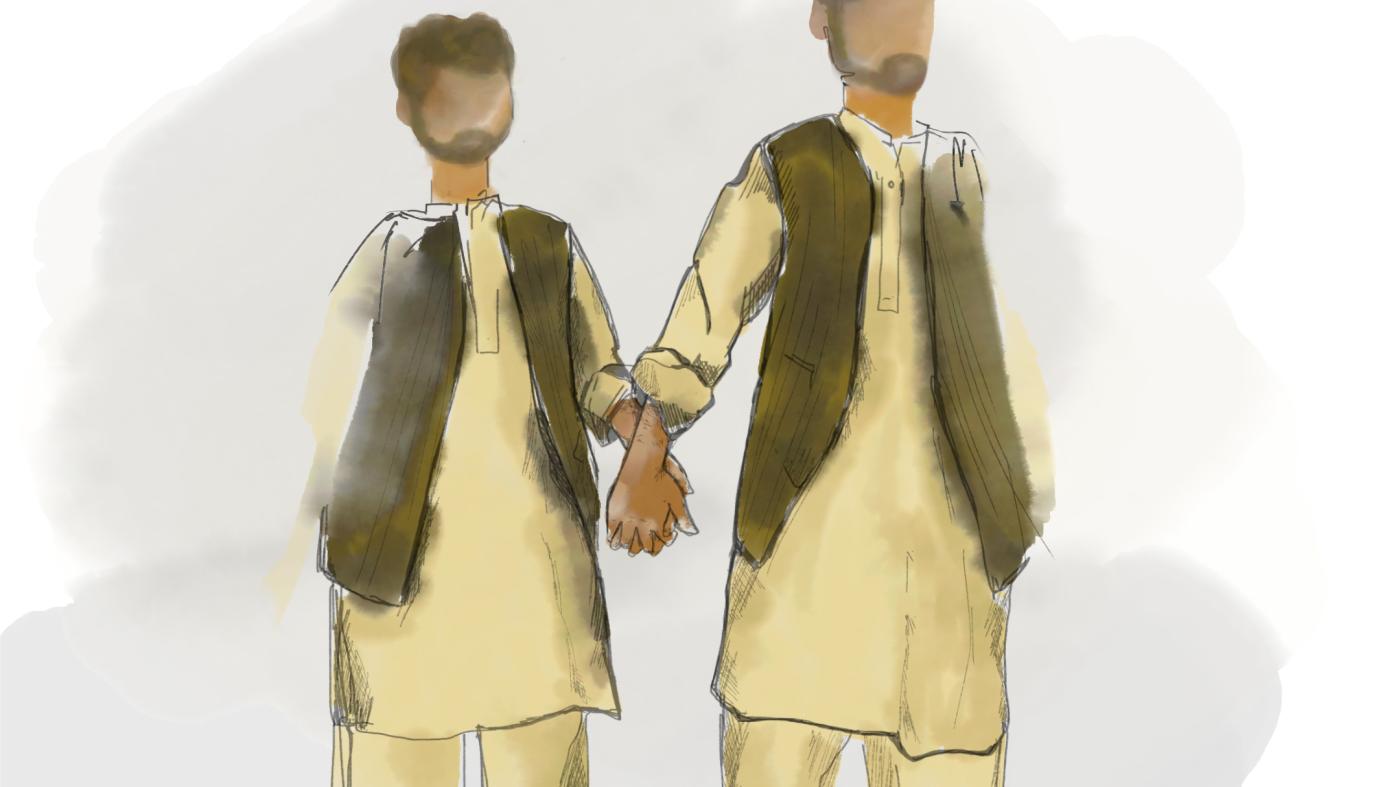
Taliban Target LGBT Afghans
Lesbian, gay, bisexual, and transgender (LGBT) Afghans experienced heightened threats and abuse following the Taliban takeover. Many tried to flee the country. Human Rights Watch documented threats, beatings, and sexual violence against LGBT people, as well cases of arbitrary detention by Taliban forces.
Read more: Afghanistan: Taliban Target LGBT Afghans
8
Crime Against Humanity of Gender Persecution
Taliban authorities have imposed a system of laws, decrees, and practices that intentionally deprive women and girls of their fundamental rights because of their gender. Human Rights Watch has concluded that this widespread and systematic denial of rights amounts to the crime against humanity of gender persecution.
The Taliban’s Law on the Propagation of Virtue and Prevention of Vice adopted in August 2024 entrenches restrictions on women’s movement, dress, speech, work, and public presence. A new criminal procedure code further deepens repression and discrimination, including by limiting protection for survivors of domestic violence and reinforcing Taliban control over women’s autonomy.
On July 8, 2025, the International Criminal Court issued warrants for two senior Taliban leaders based on the crime against humanity of gender persecution of women, girls, and gender nonconforming people.
Read more: Afghanistan: Taliban’s Gender Crimes Against Humanity
9
Taliban Execute, Forcibly Disappear Alleged Militants
Taliban forces have targeted people they accused of links to the Islamic State, carrying out executions and enforced disappearances. Those detained by Taliban authorities generally have no access to lawyers or their families.
Read more: Afghanistan: Taliban Execute, ‘Disappear’ Alleged Militants
10
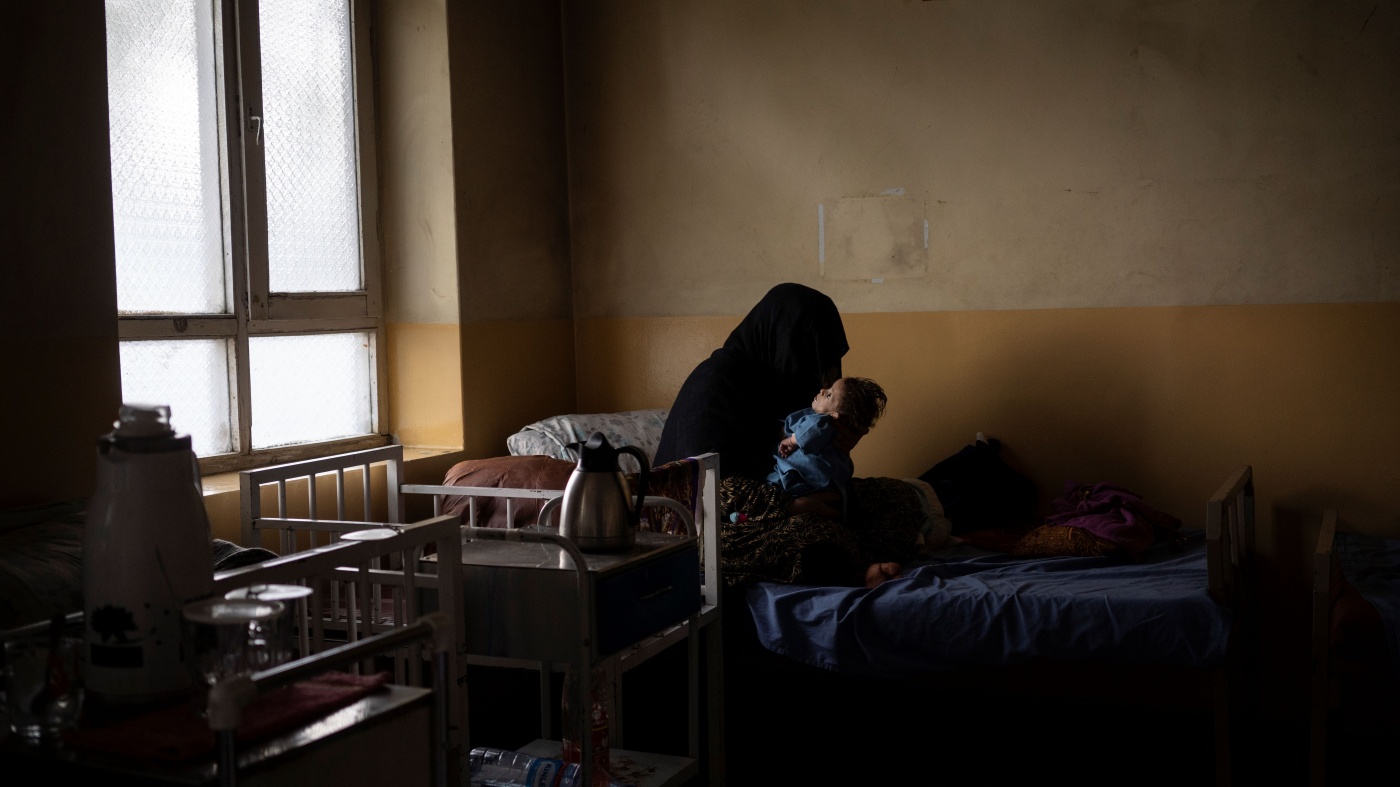
Afghans Dying from Lack of Health Care
Afghanistan’s healthcare crisis became one of the most visible consequences of the economic collapse, aid cuts, and Taliban restrictions. Because of a loss of funding, health facilities lack essential medicines and medical equipment. For families already struggling to find food, the cost of medicine can mean choosing between treatment and survival.
Women already struggled to access essential healthcare services and information before the Taliban takeover. Since August 2021, women and girls face additional barriers in many provinces. They are required to be accompanied by a mahram (male guardian) when they travel and can only be seen by female medical staff. At the same time, the Taliban have banned women from attending official institutions offering medical education, which will result in women being forced to go without health care as there won’t be female healthcare workers to treat them.
Read more: “A Disaster for the Foreseeable Future”
11
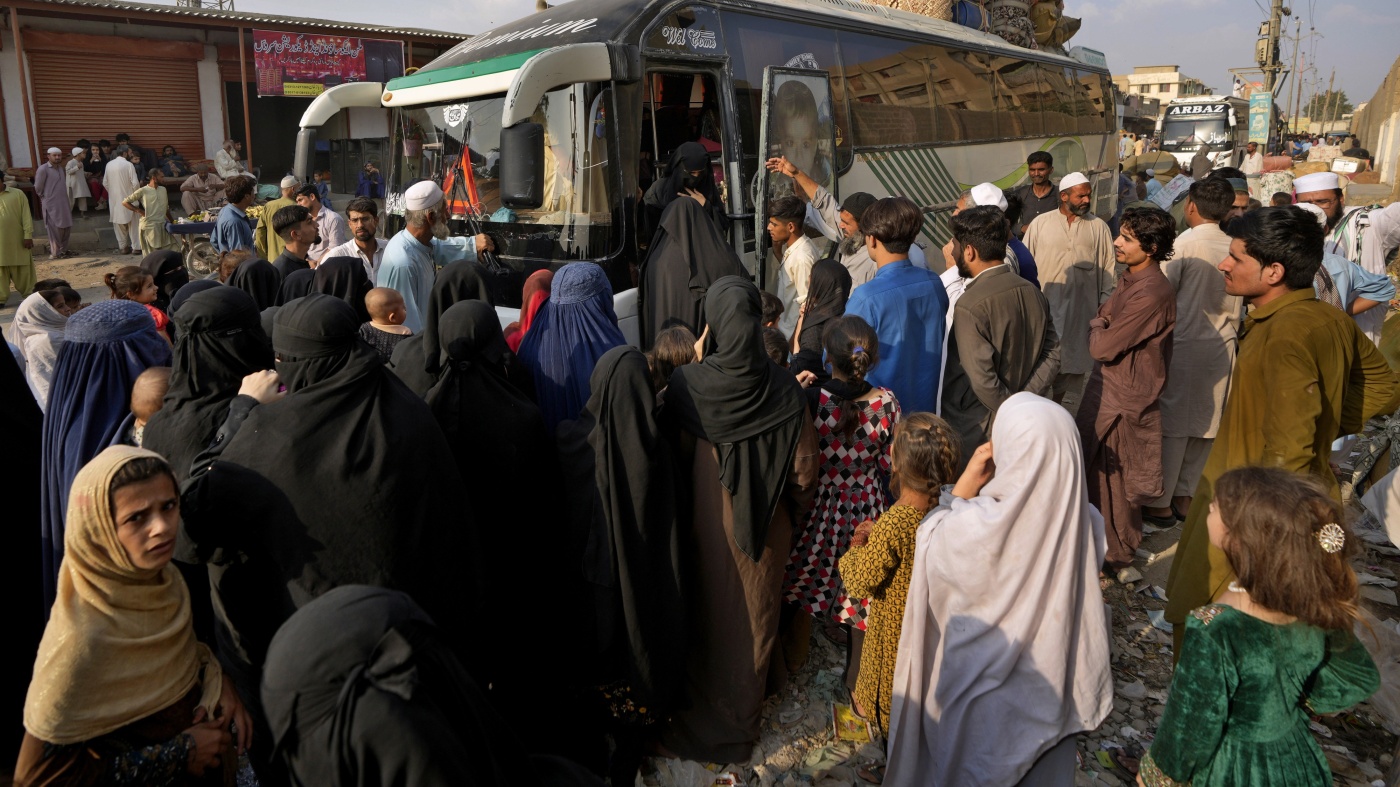
Afghan Refugees Forcibly Returned to Afghanistan
Afghanistan’s neighboring countries, Pakistan and Iran, deported or forced nearly five million Afghans to return to Afghanistan. Turkey also pushed Afghans back at its border and deported many directly to Afghanistan, often with little or no examination of their claims for protection. In Europe, Germany has allowed Taliban officials to come to Germany to facilitate deportations of Afghans back to Afghanistan. European Union officials also invited and met with a Taliban delegation in Brussels in June 2026 to discuss forced returns from EU countries.
Many returnees face serious risks under Taliban rule. Those at particular risk include women and girls, journalists, human rights defenders, former government employees, LGBT people, religious minorities, and people perceived as critics of the Taliban.
Forced returns violate the principle that no one should be sent back to a place where they face the threat of persecution, torture, or other serious harm.
Read more: Pakistan: Forced Returns Expose Afghans to Persecution, Destitution
12
Accountability for Serious International Crimes
The International Criminal Court (ICC) in July 2025 made public landmark warrants for senior Taliban leaders for gender persecution as a crime against humanity. Both remain at large. The ICC prosecutor “deprioritized” investigating the former government’s forces and those of the US. There has been virtually no other accountability for war crimes and crimes against humanity committed over decades in Afghanistan by the Taliban, the former Afghan government, and international forces like the UK, US, and Australia (although Australia has made some limited progress). Governments should support the UN-mandated Independent Investigative Mechanism for Afghanistan (IIMA), established in October 2025 to investigate serious abuses, to collect, consolidate, and preserve evidence of past and ongoing international crimes committed by all parties in Afghanistan, and to prepare files to facilitate future criminal proceedings.
Read more: Afghanistan: Accountability Needed for Gender Persecution, Other Grave Crimes
Afghanistan’s human rights and humanitarian crises are extensive. The past five years have added new abuses and suffering to this history. It is also visible in what cannot be easily photographed: lost years of education, and the narrowing of dreams for millions of girls; the enduring harms from arbitrary detention, torture and enforced disappearances and the lack of justice for past crimes; and the lack of protection for refugees.
International condemnation is not enough. Governments should:
- Press the Taliban to immediately end all restrictions on women and girls’ rights, including bans on education, employment, movement, expression, and participation in public life.
- Support accountability efforts, including through the work of the newly established UN Independent Investigative Mechanism for Afghanistan, the ongoing International Criminal Court investigation, which should be expanded in practice to atrocity crimes by all parties; and the initiative led by Germany, Canada, Australia, and the Netherlands to hold the Taliban accountable for violating the Convention on the Elimination of All Forms of Discrimination against Women.
- Continue renewing and supporting the mandate of the United Nations special rapporteur on human rights in Afghanistan and ensure it has sufficient resources to fulfill its responsibilities.
- Ensure that the UN humanitarian response plan for Afghanistan is fully funded and it reaches women, girls, people with disabilities, and other at-risk communities.
- Halt all forced returns to Afghanistan and instead provide support as well as safe and legal pathways for Afghan refugees, asylum seekers, and migrants.