Torture and Other Abuses Against Venezuelans in El Salvador’s Mega Prison
The 81-page report, “‘You Have Arrived in Hell’: Torture and Other Abuses Against Venezuelans in El Salvador’s Mega Prison,” provides a comprehensive account of the treatment of these people in El Salvador. In March and April 2025, the US government sent 252 Venezuelans, including dozens of asylum seekers, to the Center for Terrorism Confinement (Centro de Confinamiento del Terrorismo, CECOT) mega prison in El Salvador, despite credible reports of serious human rights abuses in El Salvador’s prisons. The Venezuelans were subject to refoulement—being sent to where they would face torture or persecution—arbitrary detention, enforced disappearance, torture, inhumane detention conditions and, in some cases, sexual violence.
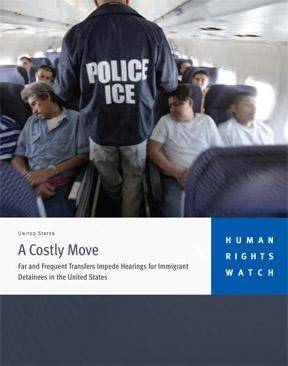
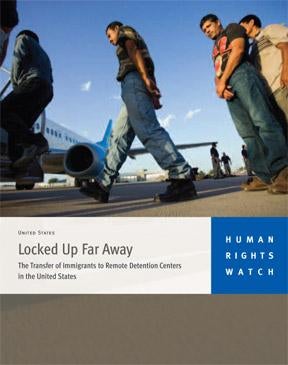
Far and Frequent Transfers Impede Hearings for Immigrant Detainees in the United States
This 35-page report states that transfers separate detained immigrants, including legal permanent residents, refugees, and undocumented people, from the attorneys, witnesses, and evidence they need to defend against deportation. That can violate their right to fair treatment in court, slow down asylum or deportation proceedings, and extend their time in detention.
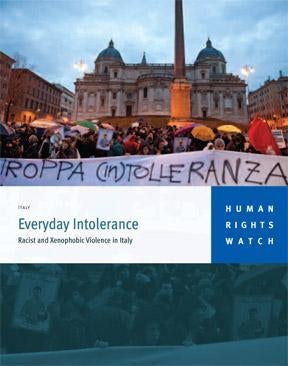
This report documents the state’s failure to take effective measures against hate crimes. Prosecutions for racially-motivated violence are rare, with Italian officials downplaying the extent of the problem and failing consistently to condemn attacks. Insufficient training of law enforcement and judiciary personnel and incomplete data collection compound the problem.
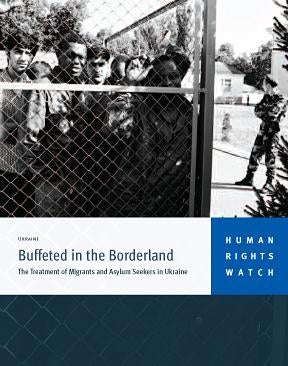
The Treatment of Asylum Seekers and Migrants in Ukraine
This 124-page report is based on interviews with 161 refugees, migrants, and asylum seekers in Ukraine, Slovakia, and Hungary. It shows that although some conditions in migration detention facilities have improved, Ukraine subjects many migrants to inhuman and degrading treatment and has been unable or unwilling to provide effective protection for refugees and asylum seekers.
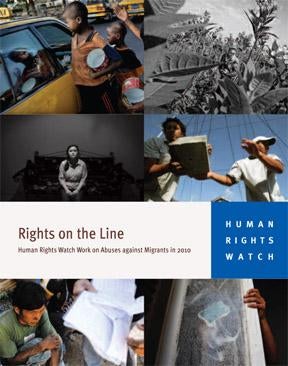
Human Rights Watch Work on Abuses against Migrants in 2010
This roundup of Human Rights Watch reporting on violations of migrants’ rights in 2010 includes coverage of Africa, Asia, Europe, the Middle East, and the United States.
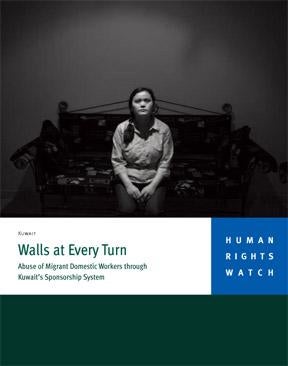
Abuse of Migrant Domestic Workers through Kuwait’s Sponsorship System
This 97-page report describes how workers become trapped in exploitative or abusive employment then face criminal penalties for leaving a job without the employer’s permission. Government authorities arrest workers reported as “absconding” and in most cases deport them from Kuwait – even if they have been abused and seek redress.
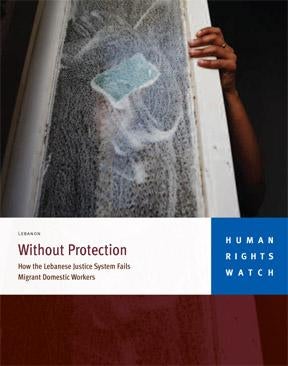
How the Lebanese Justice System Fails Migrant Domestic Workers
This 54-page report reviews 114 Lebanese judicial decisions affecting migrant domestic workers. It finds that lack of accessible complaint mechanisms, lengthy judicial procedures, and restrictive visa policies dissuade many workers from filing or pursuing complaints against their employers.
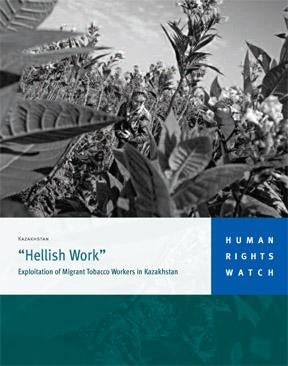
Exploitation of Migrant Tobacco Workers in Kazakhstan
This 115-page report documents how some employers confiscated migrant workers' passports, failed to provide them with written contracts, did not pay regular wages, cheated them of earnings, and required them to work excessively long hours.
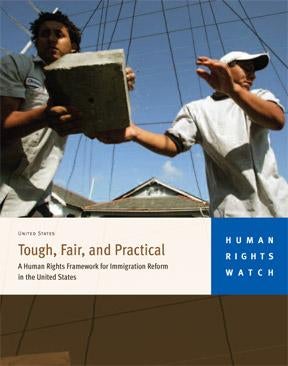
A Human Rights Framework for Immigration Reform in the United States
This 24-page report proposes a framework for improving US immigration law that would give immigrant crime victims a chance to seek justice, protect workers, respect the private and family life of longtime residents, and provide fair treatment for immigrants who come before the courts.
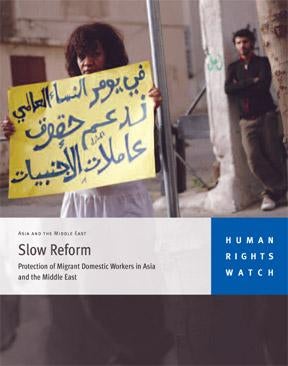
Protection of Migrant Domestic Workers in Asia and the Middle East
This 26-page report reviews conditions in eight countries with large numbers of migrant domestic workers: Lebanon, Jordan, Saudi Arabia, Kuwait, the United Arab Emirates, Bahrain, Singapore, and Malaysia.
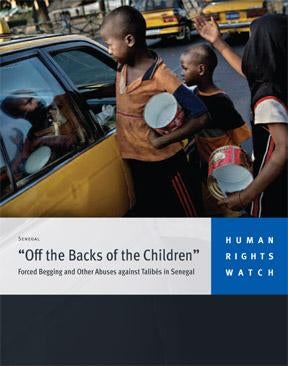
Forced Begging and Other Abuses against Talibés in Senegal
This 114-page report documents the system of exploitation and abuse in which at least 50,000 boys known as talibés - the vast majority under age 12 and many as young as four - are forced to beg on Senegal's streets for long hours, seven days a week, by often brutally abusive teachers, known as marabouts.
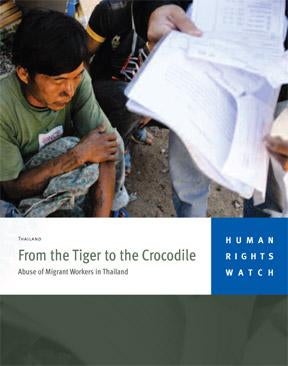
This 124-page report is based on 82 interviews with migrants from neighboring Burma, Cambodia, and Laos. It describes the widespread and severe human rights abuses faced by migrant workers in Thailand, including killings, torture in detention, extortion, and sexual abuse, and labor rights abuses such as trafficking, forced labor, and restrictions on organizing.
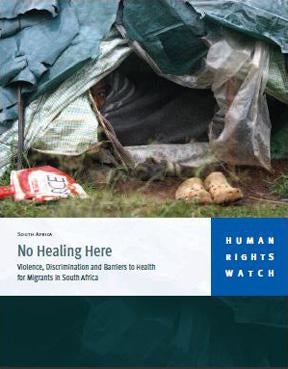
Violence, Discrimination and Barriers to Health for Migrants in South Africa
This 89-page report describes how harassment, lack of documentation, and the credible fear of deportation prevent many newcomers from seeking medical treatment even though South African law and policy state that asylum seekers, refugees, and migrants have a right to care.
The Transfer of Immigrants to Remote Detention Centers in the United States
This 88-page report presents new data analyzed for Human Rights Watch by the Transactional Records Access Clearinghouse (TRAC) of Syracuse University. The data show that 53 percent of the 1.4 million transfers have taken place since 2006, and most occur between state and local jails that contract with the agency, known as ICE, to provide detention bed space.