Systemic Age and Gender Discrimination Against Women at Work in South Korea
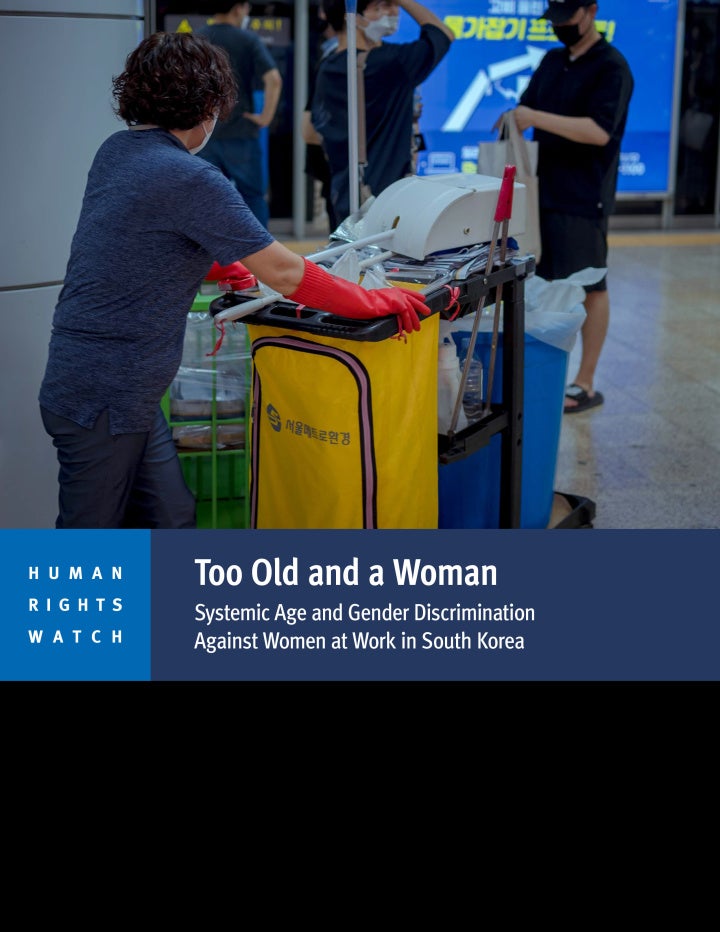
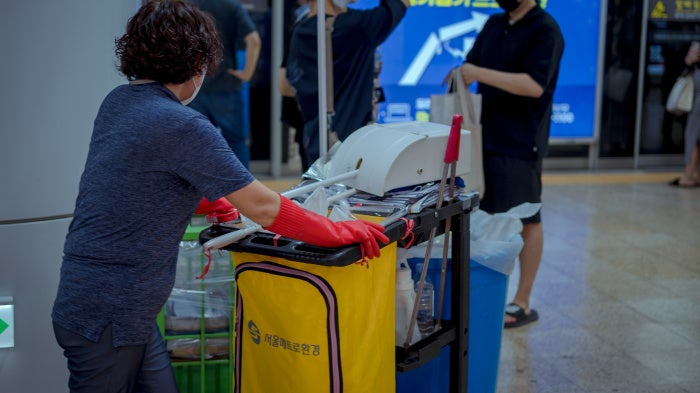
The 92-page report, “Too Old and a Woman: Systemic Age and Gender Discrimination Against Women at Work in South Korea,” documents that social attitudes toward education, unfair treatment in hiring, disrupted careers due to family responsibilities, limited promotion opportunities, glass ceilings, and sexual harassment create a disadvantage for South Korean women throughout their working lives. As women get older, their work opportunities narrow to a handful of low-paid, insecure jobs, and the gender pay gap increases. By the time they are eligible for pensions, women face a significant gender pension gap.
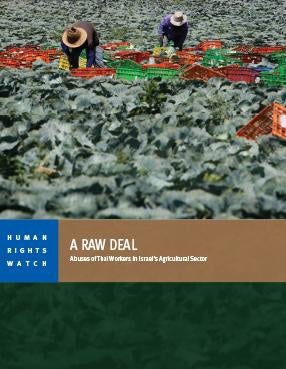
Abuse of Thai Workers in Israel’s Agricultural Sector
This 48-page report documents low pay, excessive working hours, hazardous working conditions, and poor housing for some of Israel’s Thai agricultural workers – and employer retribution if they try to protest by going on strike.
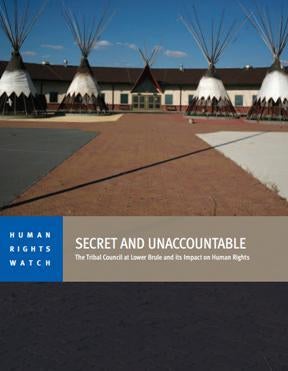
The Tribal Council at Lower Brule and its Impact on Human Rights
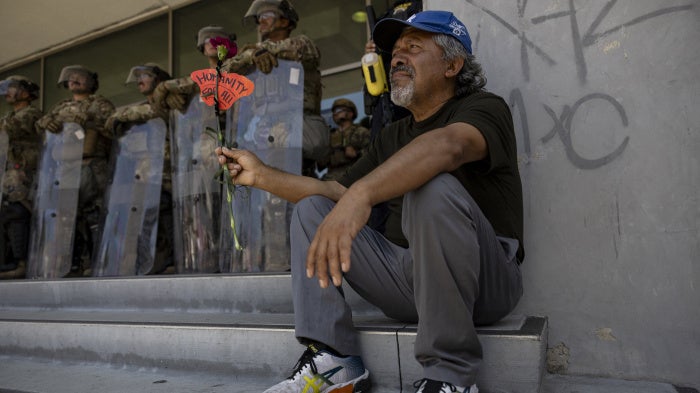
This 112-page report documents many of the problems with tribal governance at Lower Brule for the first time. It details how the Tribal Council has diverted millions of dollars in federal funds away from key social programs without explaining how those funds were spent.
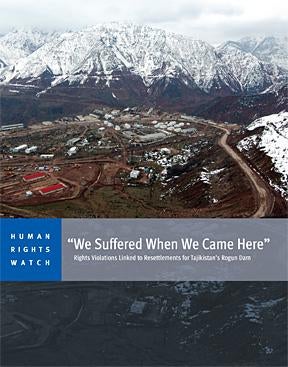
Rights Violations Linked to Resettlements for Tajikistan's Rogun Dam
The 81-page report examines serious shortcomings in the government’s resettlement of 1,500 families since 2009. The Rogun Dam and Hydropower Plant stands to displace over 42,000 people before it is operational. The major problem, people said, was that they were not given enough compensation to replace their homes.
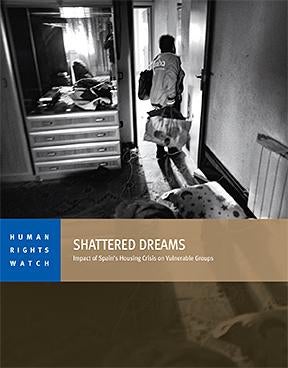
Impact of Spain’s Housing Crisis on Vulnerable Groups
This 81-page report documents the hardships faced by families who lose their homes after defaulting on mortgage payments amid Spain’s economic recession and massive unemployment. The report is based on in-depth interviews with 44 women and men who have experienced or were facing eviction, civil society organizations, and government officials.
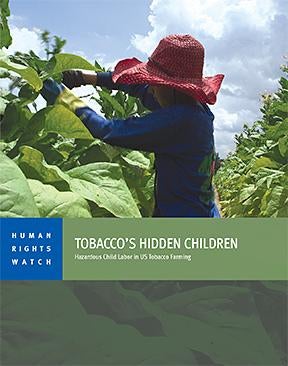
Hazardous Child Labor in United States Tobacco Farming
The 138-page report documents conditions for children working on tobacco farms in four states where 90 percent of US tobacco is grown: North Carolina, Kentucky, Tennessee, and Virginia. Children reported vomiting, nausea, headaches, and dizziness while working on tobacco farms, all symptoms consistent with acute nicotine poisoning.
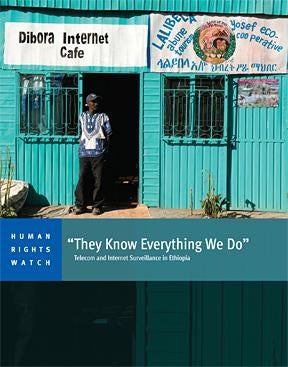
The 137 page report details the technologies the Ethiopian government has acquired from several countries and uses to facilitate surveillance of perceived political opponents inside the country and among the diaspora. The government’s surveillance practices violate the rights to freedom of expression, association, and access to information.
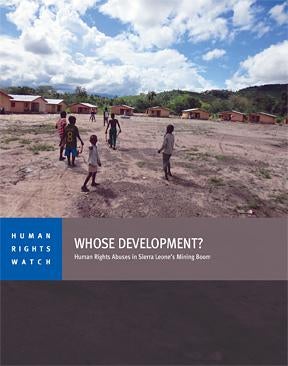
This 96-page report documents how the government and London-based African Minerals Limited forcibly relocated hundreds of families from verdant slopes to a flat, arid area in Tonkolili District. As a result, residents lost their ability to cultivate crops and engage in income generating activities that once sustained them.
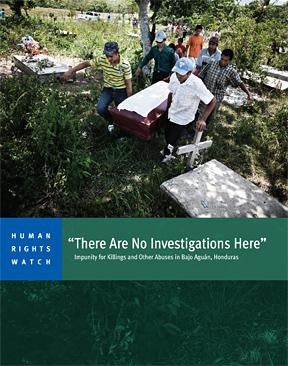
Impunity for Killings and Other Abuses in Bajo Aguán, Honduras
This 72-page repor examines 29 homicides and two abductions in Bajo Aguán since 2009, as well as human rights violations by soldiers and police. Human Rights Watch found that prosecutors and police consistently failed to carry out prompt and thorough investigations into these crimes, a failure that Honduran public prosecutors, police, and military officials acknowledged in interviews.
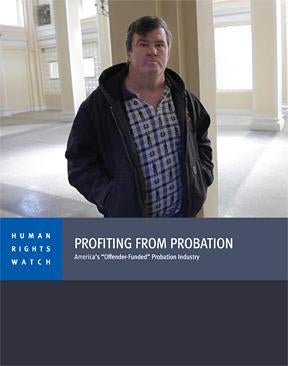
This 72-page report describes how more than 1,000 courts in several US states delegate tremendous coercive power to companies that are often subject to little meaningful oversight or regulation. In many cases, the only reason people are put on probation is because they need time to pay off fines and court costs linked to minor crimes.
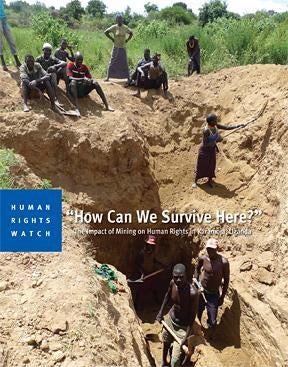
The Impact of Mining on Human Rights in Karamoja, Uganda
This 140-page report examines the conduct of three companies in different stages of the mining process: East African Mining, Jan Mangal, and DAO Uganda. Human Rights Watch found that companies have explored for minerals and actively mined on lands owned and occupied by Karamoja’s indigenous people.
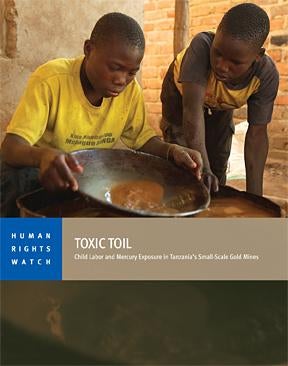
Child Labor and Mercury Exposure in Tanzania’s Small-Scale Gold Mines
This 96-page report describes how thousands of children work in licensed and unlicensed small-scale gold mines in Tanzania, Africa’s fourth-largest gold producer. They dig and drill in deep, unstable pits, work underground for shifts of up to 24 hours, and transport and crush heavy bags of gold ore.
How the World Bank Should Safeguard Against Human Rights Violations
This 59-page report draws on Human Rights Watch research from around the globe to document the harm caused to some of the world’s most vulnerable people by bank-financed programs.
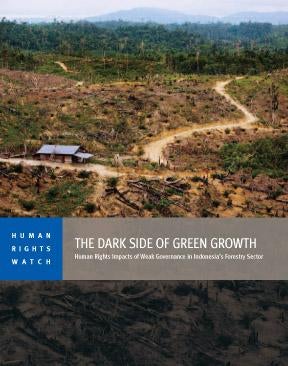
Human Rights Impacts of Weak Governance in Indonesia’s Forestry Sector
This 68-page report finds that illegal logging and forest-sector mismanagement resulted in losses to the Indonesian government of more than US$7 billion between 2007 and 2011.
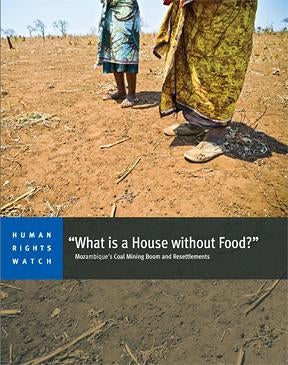
This 122-page report examines how serious shortcomings in government policy and mining companies’ implementation uprooted largely self-sufficient farming communities and resettled them to arid land far from rivers and markets. These communities have experienced periods of food insecurity or, when available, dependence on short-term food assistance financed by Vale and Rio Tinto.