Reports

Obstetric Violence in Sierra Leone

The 75-page report, “No Money, No Care: Obstetric Violence in Sierra Leone,” documents cases of verbal abuse, medical neglect, and abandonment of women and girls facing serious obstetric complications, practices that experts interviewed say are common. Many women interviewed said they were shamed and mistreated by healthcare providers for expressing pain, needing help, or for not having enough money to pay fees. Others described humiliating experiences in which healthcare providers treated them brusquely or withheld important health information. Some cases documented constitute obstetric violence, a largely unaddressed form of gender-based violence prevalent across the world.

Pregnant women sit in the waiting area at the pre-natal clinic of the Princess Christian Maternity Hospital
A woman looks out of the window of a damaged building

Search

  • August 27, 2019

    Trafficking of Women and Girls in Nigeria

    This report documents human rights abuses committed against largely Nigerian women and girls who are trafficked for sexual and labor exploitation within and outside Nigeria. It also focuses on the experiences of non-Nigerian women and girls who are trafficked into Nigeria, most of them for domestic servitude. It shows how some assistance measures are further violating survivors’ rights. The report highlights physical, mental, social, and economic impact of these abuses on survivors, and describes significant gaps in, and obstacles to, much-needed support services. It further outlines steps the Nigerian government should take to combat trafficking in persons and provide survivors the medical care, psychological counseling, and financial assistance they need to heal from the trauma and rebuild their lives. 

    map content
    video content
    Cover Image
  • August 7, 2019

    This documents violence experienced by sex workers in South Africa, and their difficulties in reporting crimes and creating safe places to work. Sex workers also reported being sexually exploited by police and forced to pay bribes to officers. 

    map content
    video content
    201908wrd_southafrica_cover
  • June 18, 2019

    Adolescent Girls’ Sexual and Reproductive Health and Rights in the Dominican Republic

    This report documents how authorities have stalled the rollout of a long-awaited sexuality education program, leaving hundreds of thousands of adolescent girls and boys without scientifically accurate information about their health. The country has the highest teen pregnancy rate in Latin America and the Caribbean, according to the Pan American Health Organization (PAHO). The country’s total ban on abortion means an adolescent girl facing an unwanted pregnancy must continue that pregnancy against her wishes or obtain a clandestine abortion, often at great risk to her health and even her life. 

    photo gallery
    201906wrd_dominicanrepublic_cover
  • April 23, 2019

    How Apparel Brand Purchasing Practices Drive Labor Abuses

    This report identifies key practices by clothing companies that fuel abusive cost-cutting methods by factories that harm workers. Many global brands tout their commitment to ensuring rights-respecting workplaces in the factories that produce their goods, but undercut their efforts with relentless pressure on suppliers to drive down prices or produce faster, Human Rights Watch found. Many suppliers respond to those pressures with abusive cost-cutting methods that harm workers. One factory owner ruefully summarized the problem, saying that brands are “paying for a bus ticket and expecting to fly.”

    201904wrd_apparel_cover
  • March 21, 2019

    Trafficking of Kachin “Brides” from Myanmar to China

    This report documents the selling by traffickers of women and girls from Kachin and northern Shan States into sexual slavery in China. Trafficking survivors said that trusted people, including family members, promised them jobs in China, but instead sold them for the equivalent of US$3,000 to $13,000 to Chinese families. In China, they were typically locked in a room and raped so they would become pregnant.

    map content
    Cover
  • February 6, 2019

    Attacks on Women’s Rights in Poland

    This report documents how, since coming to power in 2015, the Law and Justice government has targeted women’s rights groups through raids and defunding, often with little warning and no clear rationale. Human Rights Watch found that government agencies have dragged employees who support women’s rights protests or collaborate with women’s rights groups before disciplinary hearings and threatened their jobs. The government has failed to counter – and sometimes appeared to support – public smear campaigns by ruling party and other politicians and church-backed groups that mischaracterize women’s rights organizations and their work as dangerous to families and so-called “traditional values.”

    map content
    video content
    Cover
  • January 23, 2019

    Unfair and Abusive Labor Practices in Pakistan

    This report documents a range of violations in Pakistan’s garment factories. They include a failure to pay minimum wages and pensions, suppression of independent labor unions, forced overtime, insufficient breaks, and disregarded regulations requiring paid maternity and medical leave. Human Rights Watch also identified problems in the government’s labor inspection system. Pakistan authorities should revamp labor inspections and systematically hold factories accountable for abuses. Domestic and international apparel brands should take more effective measures to prevent and correct labor rights abuses in the factories that produce clothing for them.

    map content
    video content
  • November 29, 2018

    Alabama’s Failure to Prevent Cervical Cancer Death in the Black Belt

    This report documents how state and federal policies contribute to a treacherous reproductive health environment in Alabama, where women are dying from cervical cancer at rates higher than in any other US state. The report presents the experiences of women mostly from the Alabama Black Belt, a largely rural region of Alabama that is primarily African American and has high rates of poverty and poor physical health. Human Rights Watch found that governments are not doing enough to facilitate access to reproductive health care services and provide information to prevent these deaths.

    map content
    Cover
  • November 19, 2018

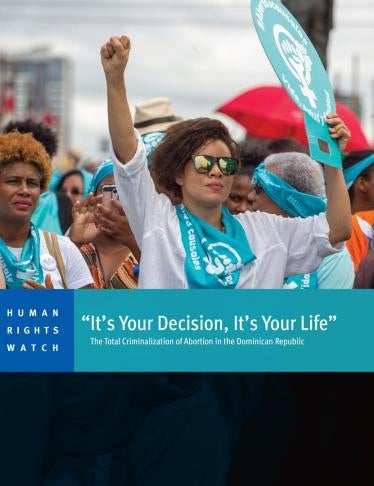
    The Total Criminalization of Abortion in the Dominican Republic

    Abortion is illegal in the Dominican Republic in all circumstances, even when a pregnancy is life-threatening, unviable, or the result of rape.

    Cover
  • November 12, 2018

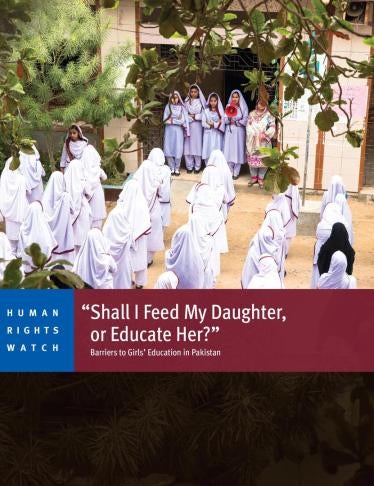
    Barriers to Girls’ Education in Pakistan

    This report concludes that many girls simply have no access to education, including because of a shortage of government schools – especially for girls. Nearly 22.5 million of Pakistan’s children – in a country with a population of just over 200 million – are out of school, the majority of them girls. Thirty-two percent of primary school age girls are out of school in Pakistan, compared with 21 percent of boys. By ninth grade, only 13 percent of girls are still in school.

    map content
    Cover
  • November 1, 2018

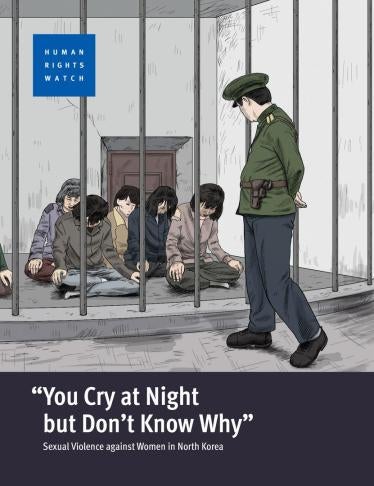
    Sexual Violence against Women in North Korea

    This report documents unwanted sexual contact and violence that is so common in North Korea it has come to be accepted as part of ordinary life. Many North Koreans told Human Rights Watch that when an official in a position of power “picks” a woman she has no choice but to comply with any demands he makes, whether for sex, money, or other favors. Women interviewed said that the sexual predators include high-ranking party officials, prison and detention facility guards and interrogators, police and secret police officials, prosecutors, and soldiers. Fearful of social disgrace and retaliation, and with few, if any, avenues for redress, North Korean women rarely report abuse.

    map content
    video content
    Cover
  • October 25, 2018

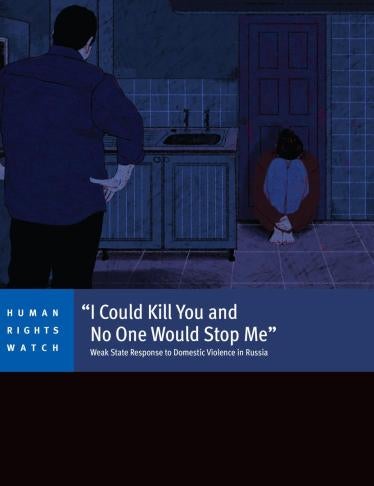
    Weak State Response to Domestic Violence in Russia

    This report details the barriers survivors face in reporting abuse and getting help. They include social stigma, lack of awareness, and lack of trust in police. Police often refuse to register or investigate women’s reports of domestic violence, instead funneling victims into the patently unfair and extremely burdensome process of private prosecution, for which the victim must gather all necessary evidence and bear all costs. Human Rights Watch also found that survivors face obstacles to finding emergency shelter. 

    video content
    Cover
  • October 18, 2018

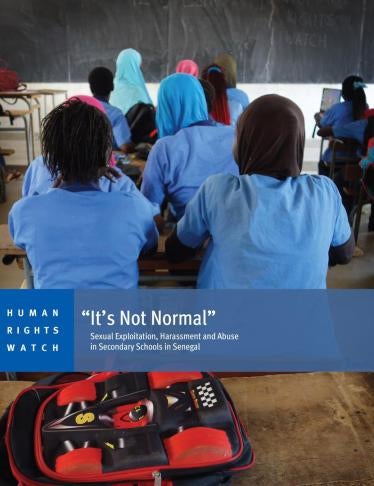
    Sexual Exploitation, Harassment and Abuse in Secondary Schools in Senegal

    This report documents abuses against female students in secondary schools, primarily by teachers and school officials. Human Rights Watch found cases of teachers who abuse their authority by engaging in sexual relations with students in exchange for money, good grades, food, or items such as mobile phones and new clothes. 

    map content
    Cover
  • September 5, 2018

    Obstacles to Justice and Remedy for Sexual Assault Survivors in Mauritania

    This report found that when survivors do come forward, police and judicial investigators do not respect their rights and dignity. Human Rights Watch found that investigative procedures do not ensure privacy or confidentiality, rarely offer the possibility to interact with female officials, and can turn into an investigation of the rape survivor’s moral character. Many survivors have limited access, if any, to legal aid, or medical, mental health, and social support.

    map content
    video content
    Cover
  • June 14, 2018

    Discrimination in Education against Pregnant Girls and Adolescent Mothers

    This report draws on extensive Human Rights Watch research on the rights of girls in Africa. Human Rights Watch examined national laws, policies, and practices that block or support pregnant girls’ and adolescent mothers’ right to primary and secondary education in all African Union (AU) member countries. Africa has one of the highest rates of adolescent pregnancy in the world. African governments should urgently adopt laws and policies to ensure that schools allow and support pregnant girls to stay in school and to return to school after having a child.

    Cover of the AU report