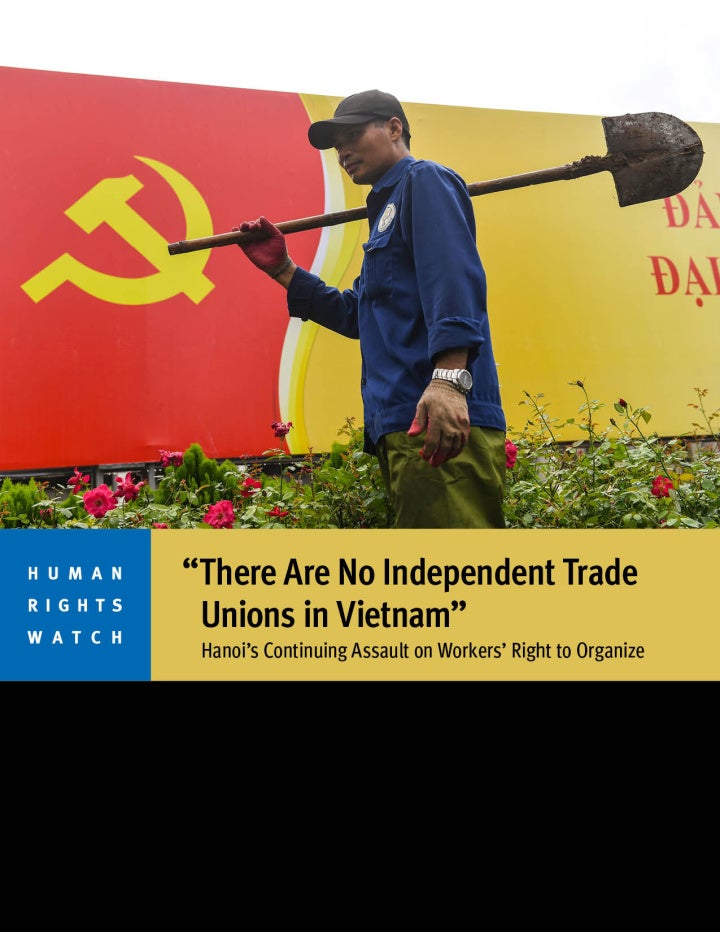
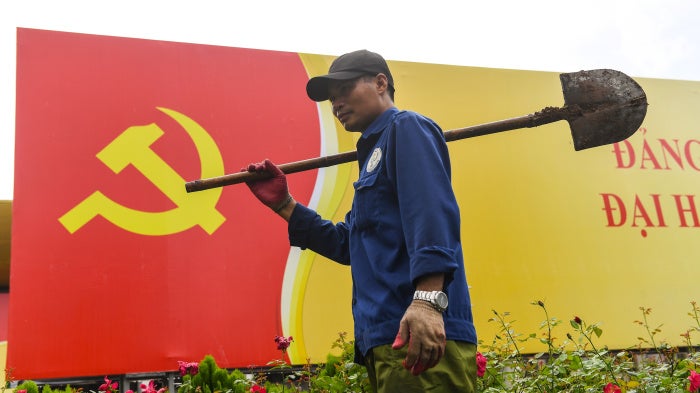
Hanoi’s Continuing Assault on Workers’ Right to Organize
The 49-page report, “There Are No Independent Trade Unions in Vietnam: Hanoi’s Continuing Assault on Workers’ Right to Organize,” documents the Vietnamese governments’ continuing useof vague, overbroad criminal laws to suppress the activities of human rights and labor rights defenders, while maintaining an atmosphere of repression to thwart independent labor organizing. The government has issued decrees and articles in state-run media that reaffirm that all labor organizations in Vietnam are under the government’s authority, and portray independent trade unions as dangerous, anti-state entities.
Arbitrary Detention and Torture of Terrorism Suspects in India
This 106-page report documents consistent abuse by Indian security forces in their response to the scourge of terrorism attacks. State police, jail officials, and other authorities have committed a range of human rights violations, including arbitrary arrest and detention, torture, and religious discrimination.
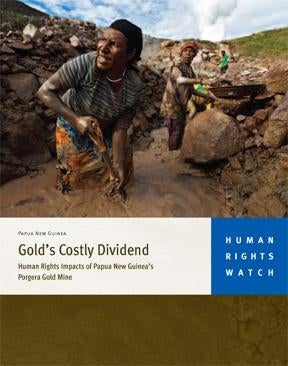
Human Rights Impacts of Papua New Guinea’s Porgera Gold Mine
This report identifies systemic failures on the part of Toronto-based Barrick Gold that kept the company from recognizing the risk of abuses, and responding to allegations that abuses had occurred.
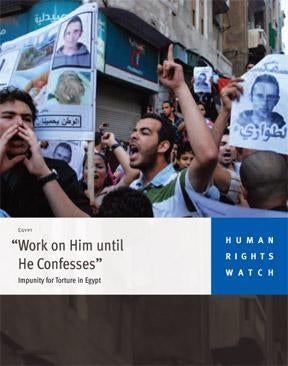
This report documents how President Hosni Mubarak’s government implicitly condones police abuse by failing to ensure that law enforcement officials accused of torture are investigated and criminally prosecuted, leaving victims without a remedy.
This 21st annual World Report summarizes human rights conditions in more than 90 countries and territories worldwide. It reflects extensive investigative work undertaken in 2010 by Human Rights Watch staff, usually in close partnership with domestic human rights activists.
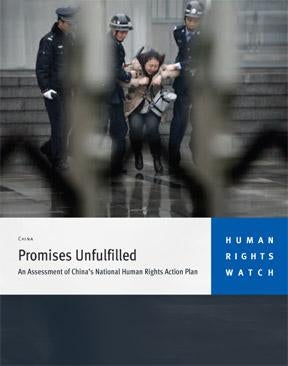
An Assessment of China’s National Human Rights Action Plan
This 67-page report details how despite the Chinese government's progress in protection of some economic and social rights, it has undermined many of the key goals of the National Human Rights Action Plan (NHRAP) by tightening restrictions on rights of expression, association, and assembly over the past two years.
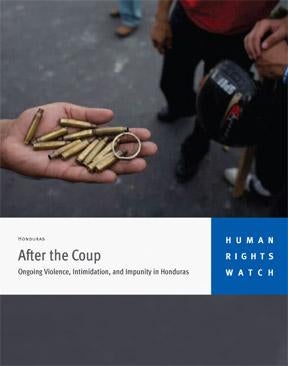
Ongoing Violence, Intimidation, and Impunity in Honduras
This 65-page report documents the state’s failure to ensure accountability for abuses committed under the country’s de facto government in 2009. The report also documents 47 cases of threats or attacks – including 18 killings – against journalists, human rights defenders, and political activists since the inauguration of President Porfirio Lobo in January 2010.
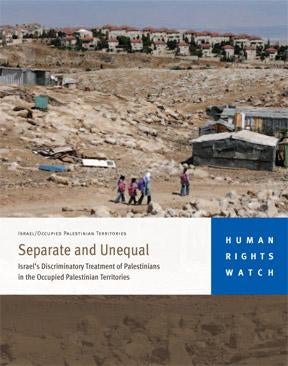
Israel’s Discriminatory Treatment of Palestinians in the Occupied Palestinian Territories
This report shows that Israel operates a two-tier system for the two populations of the West Bank in the large areas where it exercises exclusive control. The report is based on case studies comparing Israel’s starkly different treatment of settlements and next-door Palestinian communities in these areas.
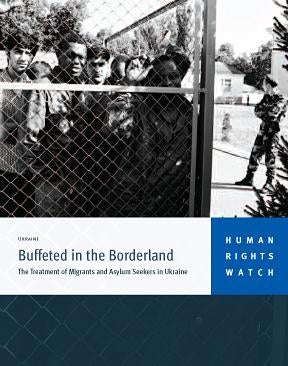
The Treatment of Asylum Seekers and Migrants in Ukraine
This 124-page report is based on interviews with 161 refugees, migrants, and asylum seekers in Ukraine, Slovakia, and Hungary. It shows that although some conditions in migration detention facilities have improved, Ukraine subjects many migrants to inhuman and degrading treatment and has been unable or unwilling to provide effective protection for refugees and asylum seekers.
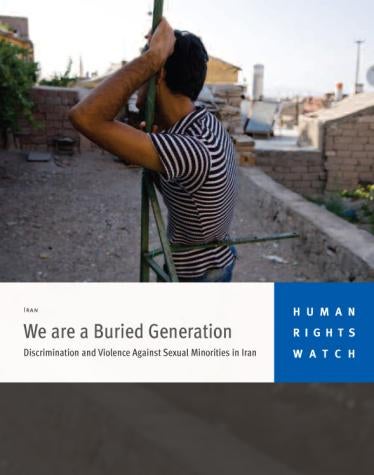
Discrimination and Violence against Sexual Minorities in Iran
Based on testimony from more than 100 Iranians, this report documents discrimination and violence against LGBT people and others whose sexual practices and gender expression do not conform to government-endorsed socio-religious norms.
This 41-page report renews calls for the government to investigate and prosecute those responsible for crimes committed during the conflict, and documents three emblematic cases since the conflict ended to show how the same neglect of justice applies to new crimes.
Attacks on Teachers and Schools in Pakistan’s Balochistan Province
This 40-page report documents the killing of at least 22 teachers and other education personnel by suspected militants between January 2008 and October 2010. The report – based on interviews with teachers, students, victims’ families and friends, and government officials in Balochistan – describes these attacks and their consequences for the quality of education in the province.
Human Rights Watch Work on Abuses against Migrants in 2010
This roundup of Human Rights Watch reporting on violations of migrants’ rights in 2010 includes coverage of Africa, Asia, Europe, the Middle East, and the United States.
Excessive Use of Force by Indian Troops at the Bangladesh Border
This 81-page report documents the situation on the border region, where both Bangladesh and India have deployed border guards to prevent infiltration, trafficking, and smuggling. Human Rights Watch found numerous cases of indiscriminate use of force, arbitrary detention, torture, and killings by the security force, without adequate investigation or punishment.
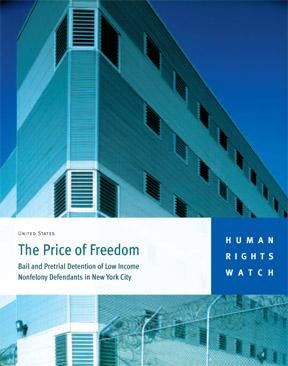
Bail and Pretrial Detention of Low Income Nonfelony Defendants in New York City
Drawing on previously unpublished data and scores of interviews with judges, defendants, prosecutors, and defense counsel, this report reveals the extent of the problem. Among defendants arrested in 2008 on nonfelony charges who had bail set at $1,000 or less, 87 percent were incarcerated because they were unable to post the bail amount at their arraignment.
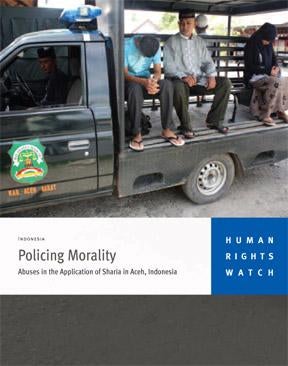
Abuses in the Application of Sharia in Aceh, Indonesia
This 89-page report documents the experiences of people accused of violating Sharia laws prohibiting "seclusion" and imposing public dress requirements on Muslims. The "seclusion" law makes association by unmarried individuals of the opposite sex a criminal offense in some circumstances.