The Persecution of Environmentalists and Indigenous Leaders in Indonesia
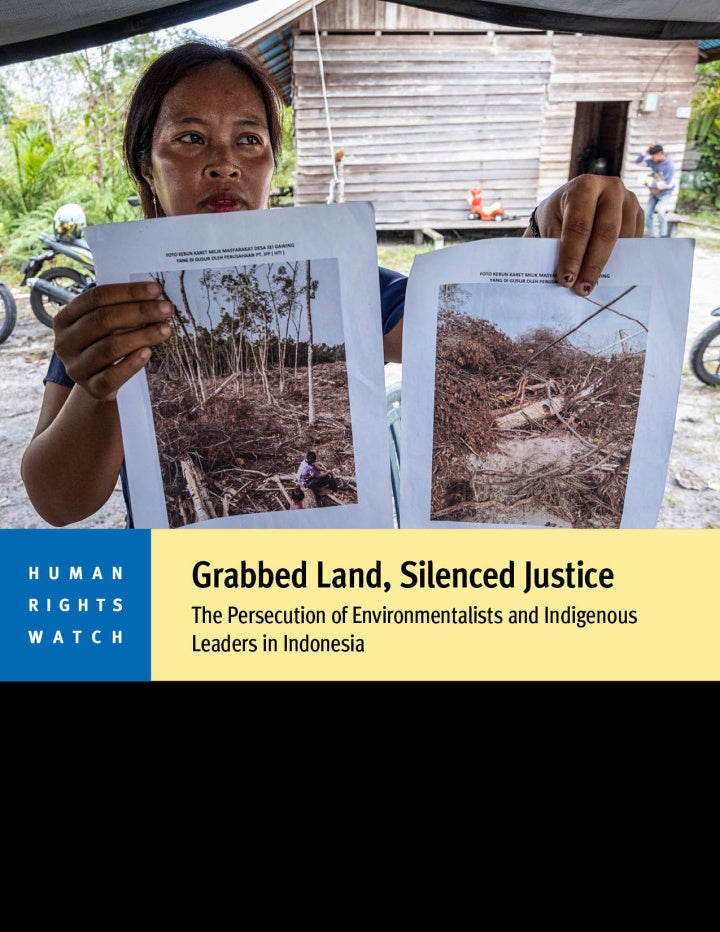
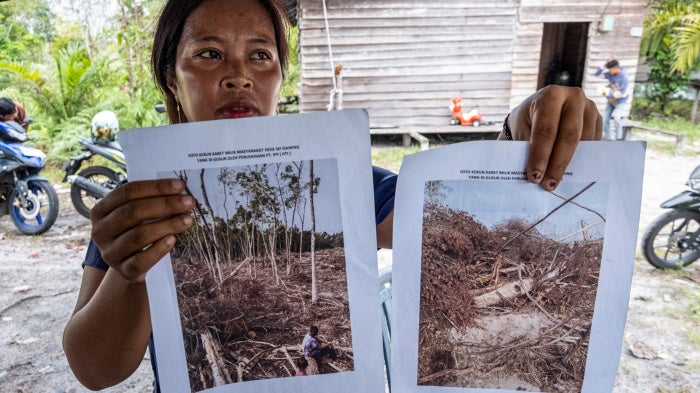
The 70-page report, “Grabbed Land, Silenced Justice: The Persecution of Environmentalists and Indigenous Leaders in Indonesia,” documents how Indonesian police have responded to complaints filed by company officials or politicians by silencing Indigenous villagers who demand their customary land rights and the activists who defend them. The authorities have targeted environmental and Indigenous community defenders using the criminal code and other laws to bring charges ranging from defamation to “spreading communism” to silence protest over environmental harm.
Prison Conditions for Youth Offenders Serving Life without Parole Sentences in the United States
This 47-page report draws on six years of research, and interviews and correspondence with correctional officials and hundreds of youth offenders serving life without parole. Human Rights Watch found that nearly every youth offender serving life without parole reported physical violence or sexual abuse by other inmates or corrections officers.
Individual and Command Responsibility for Crimes against Humanity in Syria
This report is based on more than 60 interviews with defectors from the Syrian military and intelligence agencies. The defectors provided detailed information about their units’ participation in attacks, abuses against Syrian citizens, and the orders they received from commanders and officials at various levels, who are named in the report.
This 52-page report documents the effect of the Beason-Hammon Alabama Taxpayer Citizen and Protection Act, commonly known as HB 56, on unauthorized immigrants and their families, as well as the larger Alabama communities in which they live.
Torture, the Failure of Habeas Corpus, and the Silencing of Lawyers in Uzbekistan
This report provides rare first-hand evidence of wide-scale human rights abuses in the isolated country, from which United Nations human rights experts have been banned for almost a decade. In Uzbekistan, human rights activists are languishing in prison and independent civil society is ruthlessly suppressed.
Evading Accountability for Post-Election Violence in Kenya
This report examines the police and judicial response to the violence following the 2007 elections, which pitted ruling party supporters and the police against opposition-linked armed groups and civilians. Human Rights Watch found that of the 1,133 or more killings committed during the violence, only two have resulted in murder convictions.
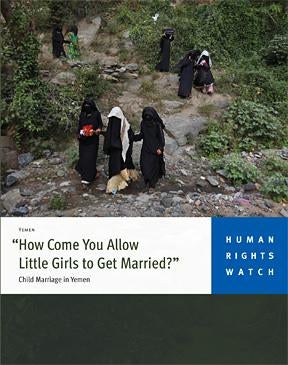
This 54-page report documents the lifelong damage to girls who are forced to marry young. Yemeni girls and women told Human Rights Watch about being forced into child marriages by their families, and then having no control over whether and when to bear children and other important aspects of their lives.
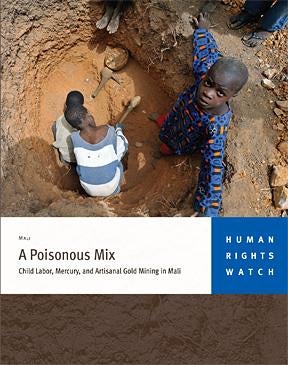
Child Labor, Mercury, and Artisanal Gold Mining in Mali
This 108-page report reveals that children as young as six dig mining shafts, work underground, pull up heavy weights of ore, and carry, crush, and pan ore. Many children also work with mercury, a toxic substance, to separate the gold from the ore. Mercury attacks the central nervous system and is particularly harmful to children.
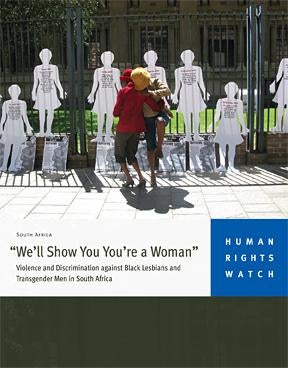
Violence and Discrimination against Black Lesbians and Transgender Men in South Africa
This 93-page report is based on more than 120 interviews conducted in six provinces. Human Rights Watch found that lesbians and transgender men face extensive discrimination and violence in their daily lives, both from private individuals and government officials.
This 59-page report calls for the government to stand by its public commitments and international treaty obligations to conduct credible investigations and prosecute those responsible for abuses.
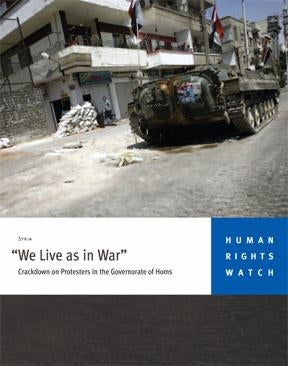
Crackdown on Protesters in the Governorate of Homs, Syria
This report is based on more than 110 interviews with victims and witnesses from Homs, both the city and the surrounding governorate of the same name. The area has emerged as a center of opposition to the government of President Bashar al-Assad.
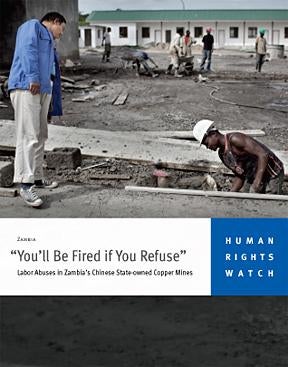
Labor Abuses in Zambia's Chinese State-owned Copper Mines
This 122-page report details the persistent abuses in Chinese-run mines, including poor health and safety conditions, regular 12-hour and even 18-hour shifts involving arduous labor, and anti-union activities, all in violation of Zambia’s national laws or international labor standards.
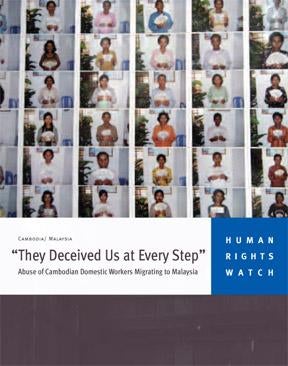
Abuse of Cambodian Domestic Workers Migrating to Malaysia
This report documents Cambodian domestic workers’ experiences during recruitment, work abroad, and upon their return home. It is based on 80 interviews with migrant domestic workers, their families, government officials, nongovernmental organizations, and recruitment agents.