War Crimes and Crimes Against Humanity in Burkina Faso by All Sides
The 316-page report, “‘None Can Run Away’: War Crimes and Crimes Against Humanity in Burkina Faso by All Sides,” documents the devastating impact on civilians of an armed conflict that has received scant global attention. Researchers documented 57 incidents involving Burkinabè military forces and allied militias known as the Volunteers for the Defense of the Homeland (VDPs), and the Islamist armed group Jama’at Nusrat al‑Islam wa al‑Muslimin (JNIM) since the current military junta seized power in September 2022. Human Rights Watch issued a question and answer document to explain the legal issues involved.
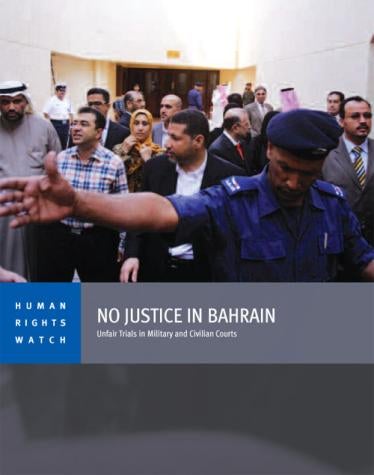
This report documents serious due process violations in high-profile trials before Bahrain’s special military courts in 2011 – including one trial of 21 prominent political activists and another of 20 doctors and other medical personnel – and in politically motivated trials before ordinary criminal courts since 2010.
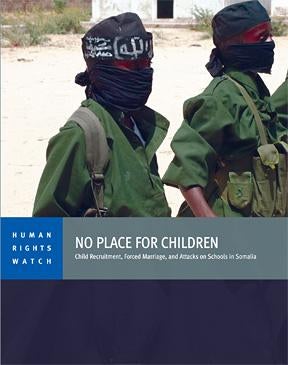
Child Recruitment, Forced Marriage, and Attacks on Schools in Somalia
This 104-page report details unlawful recruitment and other laws-of-war violations against children by all parties to the conflict in Somalia since 2010. The report is based on over 164 interviews with Somali children, including 21 who had escaped from al-Shabaab forces, as well as parents and teachers who had fled to Kenya.
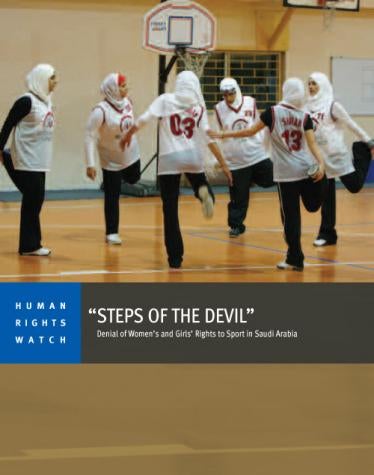
Denial of Women’s and Girls’ Rights to Sport in Saudi Arabia
<p>This report documents discrimination by Saudi Arabia’s Ministry of Education in denying girls physical education in state schools, as well as discriminatory practices by the General Presidency for Youth Welfare, a youth and sports ministry, in licensing women’s gyms and supporting only all-male sports clubs.</p>
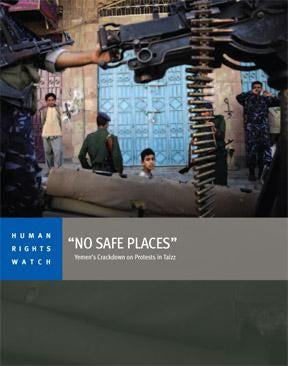
When Yemenis took to the streets in January 2011 to demand an end to Saleh’s 33-year rule, Taizz, 250 kilometers south of the capital, Sanaa, became a center of both peaceful and armed resistance – and the scene of numerous human rights abuses and violations of the laws of war.
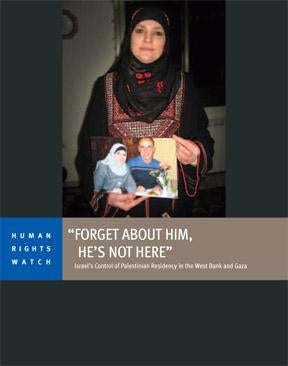
Israel’s Control of Palestinian Residency in the West Bank and Gaza
This report describes the arbitrary exclusion by the Israeli military of hundreds of thousands of Palestinians since 1967 and documents the impact that exclusion continues to have on individuals and families.
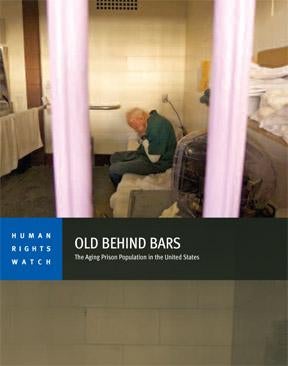
<p>This report includes new data Human Rights Watch developed from a variety of federal and state sources that document dramatic increases in the number of older US prisoners.</p>
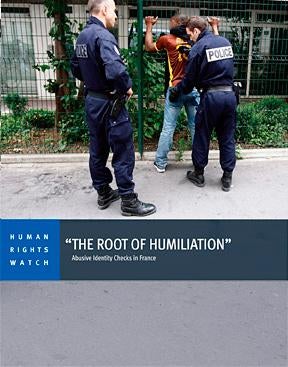
This 55-page report says that minority youth, including children as young as 13, are subjected to frequent stops involving lengthy questioning, invasive body pat-downs, and the search of personal belongings. These arbitrary stops can take place even in the absence of any indication of wrongdoing, Human Rights Watch found.
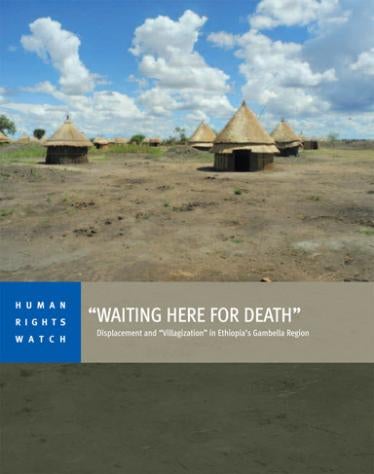
Forced Displacement and “Villagization” in Ethiopia’s Gambella Region
This report in Ethiopia’s Gambella Region examines the first year of Gambella’s villagization program. It details the involuntary nature of the transfers, the loss of livelihoods, the deteriorating food situation, and ongoing abuses by the armed forces against the affected people.
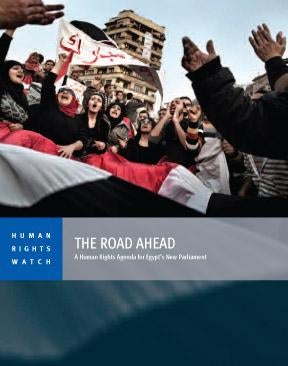
This 45-page report sets out nine areas of Egyptian law that the newly elected parliament must urgently reform if the law is to become an instrument that protects Egyptians’ rights rather than represses them.
This 29-page briefing paper provides a snapshot of progress from Uganda’s complementarity-related initiative: the International Crimes Division (ICD). The ICD is a division of the High Court with a mandate to prosecute genocide, war crimes, and crimes against humanity, in addition to crimes such as terrorism.
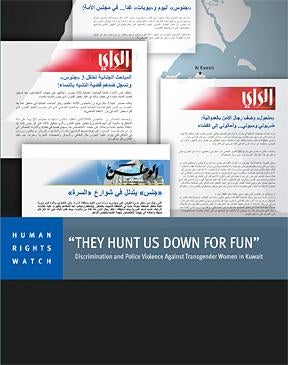
Discrimination and Police Violence Against Transgender Women in Kuwait
This 63-page report documents the physical, sexual, and emotional abuse and persecution that transgender women – individuals who are born male, but identify as female – have faced at the hands of police.
Georgia’s Flawed System for Administrative Detention
This 41-page report documents how Georgia’s Code of Administrative Offenses, which governs misdemeanors, lacks full due process and fair trial rights for those accused of offenses under the code.
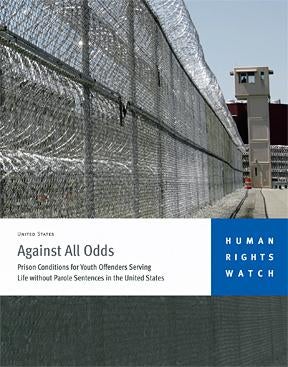
Prison Conditions for Youth Offenders Serving Life without Parole Sentences in the United States
This 47-page report draws on six years of research, and interviews and correspondence with correctional officials and hundreds of youth offenders serving life without parole. Human Rights Watch found that nearly every youth offender serving life without parole reported physical violence or sexual abuse by other inmates or corrections officers.