War Crimes and Crimes Against Humanity in Burkina Faso by All Sides
The 316-page report, “‘None Can Run Away’: War Crimes and Crimes Against Humanity in Burkina Faso by All Sides,” documents the devastating impact on civilians of an armed conflict that has received scant global attention. Researchers documented 57 incidents involving Burkinabè military forces and allied militias known as the Volunteers for the Defense of the Homeland (VDPs), and the Islamist armed group Jama’at Nusrat al‑Islam wa al‑Muslimin (JNIM) since the current military junta seized power in September 2022. Human Rights Watch issued a question and answer document to explain the legal issues involved.
Thousands of journalists will attend the 2014 Winter Olympic Games in Sochi, Russia to report on the Games’ athletic events and ceremonies to millions of sports fans across the globe. The Russian government clearly hopes to elevate the country’s image as the host of a prestigious international event. But human rights abuses and controversies have plagued the preparations almost since the Olympics were awarded to Russia in 2007.
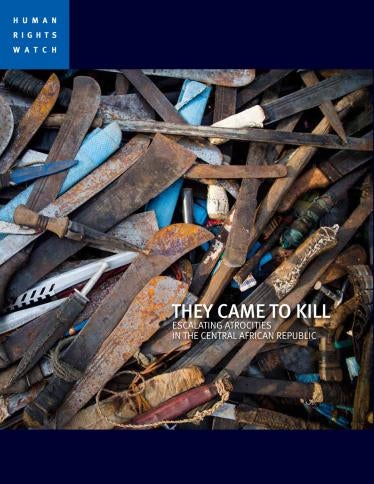
Escalating Atrocities in the Central African Republic
This 43-page report, based on weeks of field research in Ouham province, documents the surge in violence by Christian anti-balaka (“anti-machete”) militias since September 2013. The anti-balaka have killed several hundred Muslims, burned their homes, and stolen their cattle.
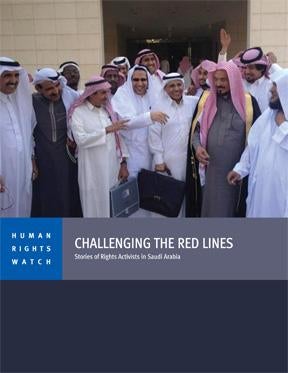
This 48-page report presents the stories of 11 prominent Saudi social and political rights activists and their struggles to resist government efforts to suppress them.
Accountability for Inter-Communal Violence in Plateau and Kaduna States, Nigeria
<p>This 146-page report which includes a <a href="http://mm.hrw.org/content/nigeria-turning-blind-eye-mass-killings-0">ph… essay</a>, is based on interviews with more than 180 witnesses and victims of violence in Plateau and Kaduna states, as well as police investigators, prosecutors, defense lawyers, judges, and community leaders.</p>
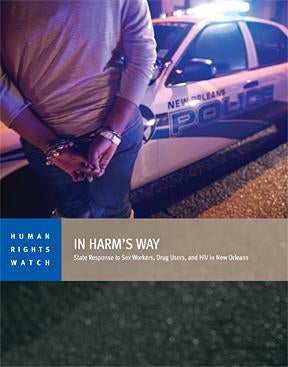
State Response to Sex Workers, Drug Users and HIV in New Orleans
This 57-page report documents government violations of the right to health and other abuses of at-risk populations in New Orleans. It calls for changes in state and local laws and policies that stigmatize, discriminate against, and facilitate police abuse of sex workers and drug users, and interfere with health services for people at high risk for HIV.
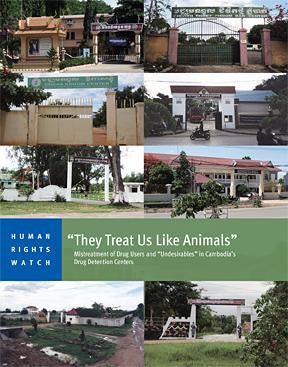
Mistreatment of Drug Users and "Undesirables" in Cambodia’s Drug Detention Centers
The 55-page report documents the experiences of people recently confined in the centers, who described being thrashed with rubber water hoses and hit with sticks or branches. Some described being punished with exercises intended to cause intense physical pain and humiliation, such as crawling along stony ground or standing in septic water pits.
How US Federal Prosecutors Force Drug Defendants to Plead Guilty
The 126-page report details how prosecutors throughout the United States extract guilty pleas from federal drug defendants by charging or threatening to charge them with offenses carrying harsh mandatory sentences and by seeking additional mandatory increases to those sentences. Prosecutors offer defendants a much lower sentence in exchange for pleading guilty.
The 65-page report is the first public assessment of conditions in Tunisia’s pretrial detention centers, which hold people from the time of arrest to the appearance before a judge. Human Rights Watch documented incidents in which law enforcement agents mistreated detainees during arrest and interrogation
Iran’s Violation of Afghan Refugee and Migrant Rights
This 124-page report documents how Iran’s flawed asylum system results in a detention and deportation process with no due process or opportunity for legal appeal. Iranian officials have in recent years limited legal avenues for Afghans to claim refugee or other immigration status in Iran, even as conditions in Afghanistan have deteriorated.
Burst Pipes, Contaminated Wells, and Open Defecation in Zimbabwe’s Capital
The 60-page report describes how residents have little access to potable water and sanitation services, and often resort to drinking water from shallow, unprotected wells that are contaminated with sewage, and to defecating outdoors. The conditions violate their right to water, sanitation, and health.
The Denial of Work Authorization and Assistance for Asylum Seekers in the United States
The 56-page report documents the hardships faced by asylum seekers, many of whom suffered egregious abuses in their home countries, as a consequence of being denied work authorization. The Immigration and Nationality Act (INA) should be amended to remove the bar to employment for asylum seekers with non-frivolous claims, the groups said.
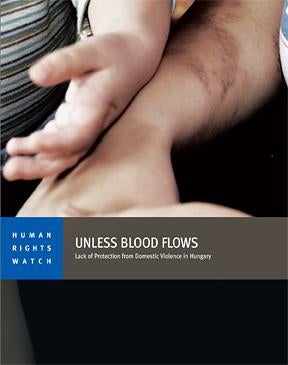
Lack of Protection from Domestic Violence in Hungary
The 58-page report documents chronic brutal violence against women by their intimate partners and the challenges women face in seeking state protection and services. It documents the gaps in Hungary’s legal and policy framework, despite a recent legal reform, in responding to domestic violence and the failure of the authorities to adequately protect women who experience such violence.
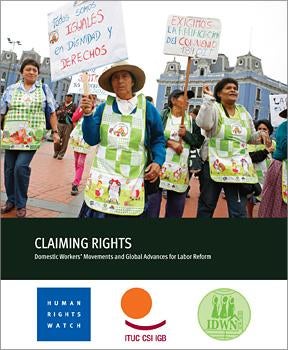
Domestic Workers’ Movements and Global Advances for Labor Reform
This 33-page report, released by IDWN, the ITUC, and Human Rights Watch, charts ratification of the International Labour Organization (ILO) Domestic Workers Convention, national labor law reforms, and the growing influence of emerging domestic workers’ rights movements.
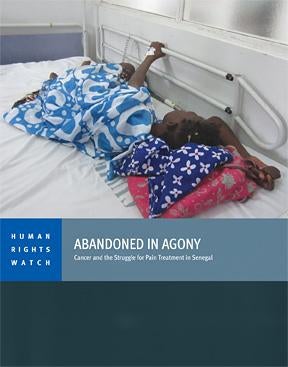
Cancer and the Struggle for Pain Treatment in Senegal
The 85-page report found that 70,000 Senegalese each year need what is known as palliative care to control symptoms related to chronic, life-threatening diseases. Morphine is an essential and inexpensive medication for treatment of severe pain, but Senegal only imports about one kilogram of morphine each year – enough to treat about 200 cancer patients.