War Crimes and Crimes Against Humanity in Burkina Faso by All Sides
The 316-page report, “‘None Can Run Away’: War Crimes and Crimes Against Humanity in Burkina Faso by All Sides,” documents the devastating impact on civilians of an armed conflict that has received scant global attention. Researchers documented 57 incidents involving Burkinabè military forces and allied militias known as the Volunteers for the Defense of the Homeland (VDPs), and the Islamist armed group Jama’at Nusrat al‑Islam wa al‑Muslimin (JNIM) since the current military junta seized power in September 2022. Human Rights Watch issued a question and answer document to explain the legal issues involved.
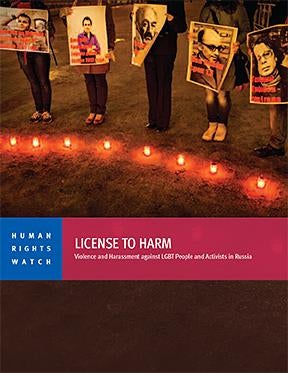
Violence and Harassment against LGBT People and Activists in Russia
This 85-page report is based on dozens of detailed interviews with LGBT people and activists in 16 cities across Russia who experienced attacks or aggressive harassment because of their sexual orientation or gender identity.
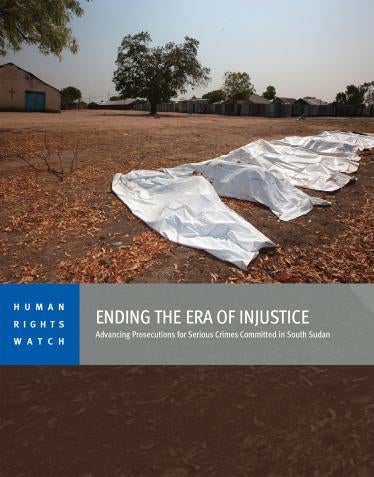
Advancing Prosecutions for Serious Crimes Committed in South Sudan’s New War
This 38-page report draws from interviews with South Sudanese judges, prosecutors, private lawyers, victims, government officials, nongovernmental groups, UN staff, and foreign diplomats in October 2014 to explain why justice is needed, and makes recommendations to ensure perpetrators are held to account.
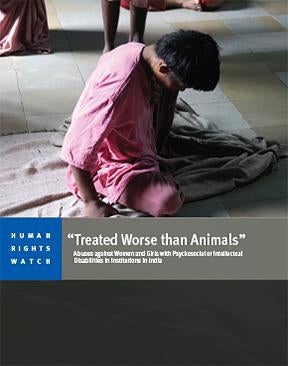
Abuses against Women and Girls with Psychosocial or Intellectual Disabilities in Institutions in India
This report documents involuntary admission and arbitrary detention in mental hospitals and residential care institutions across India, where women and girls with psychosocial or intellectual disabilities experience overcrowding and lack of hygiene, inadequate access to general healthcare, forced treatment – including electroconvulsive therapy – as well as physical, verbal, and sexual violence.
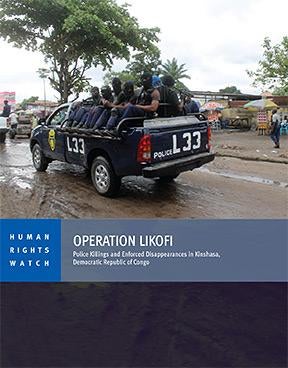
Police Killings and Enforced Disappearances in Kinshasa, Democratic Republic of Congo
The 57-page report details how uniformed police, often wearing masks, dragged kuluna, or suspected gang members, from their homes at night and executed them. The police shot and killed the unarmed young men and boys outside their homes, in the open markets where they slept or worked, and in nearby fields or empty lots.
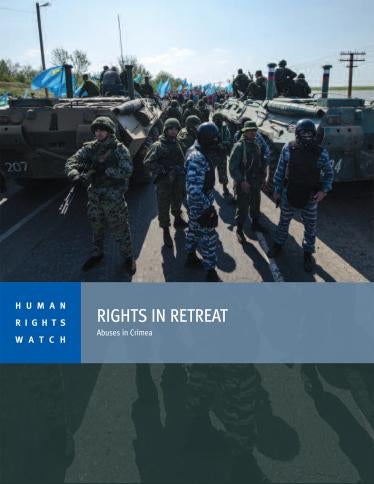
This 37-page report and <a href="http://youtu.be/AyA3Rg4gFJY">accompanying video</a> document the intimidation and harassment of Crimea residents who oppose Russia’s actions in Crimea, in particular Crimean Tatars, as well as activists and journalists.
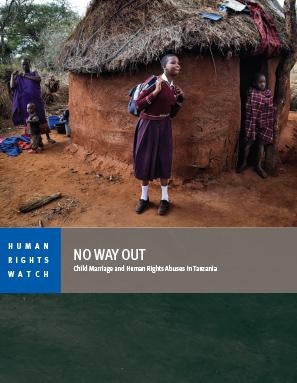
Child Marriage and Human Rights Abuses in Tanzania
This 75-page report documents how child marriage severely curtails girls’ access to education, and exposes them to exploitation and violence – including marital rape and female genital mutilation (FGM) – and reproductive health risks.
Boko Haram Violence against Women and Girls in Northeast Nigeria
This <a href="http://features.hrw.org/features/HRW_2014_report/Those_Terrible_Weeks_i…; is based on interviews with more than 46 witnesses and victims of Boko Haram abductions in Borno, Yobe, and Adamawa states, including with girls who escaped the April 2014 abduction of 276 girls from Chibok secondary school.
Abuse and Exploitation of Female Migrant Domestic Workers in the United Arab Emirates
This 79-page report documents how the UAE’s visa sponsorship system, known as kafala, and the lack of labor law protections leave migrant domestic workers exposed to abuse. Domestic workers, most from Asia and Africa, cannot move to a new job before their contracts end without the employer’s consent, trapping many in abusive conditions.
Violence and Discrimination against LGBT People in Jamaica
This 86-page report documents 56 cases of violence in which victims reported they were targeted because of their actual or perceived sexual identity. Human Rights Watch found that police investigations are often inadequate or lacking altogether, in some cases due to homophobia within the police force. Discriminatory laws contribute to the specific vulnerability of LGBT people.
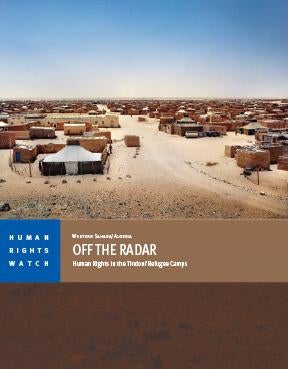
This 94-page report is among the most detailed studies of the subject by an international human rights organization. It is based on interviews conducted during a two-week visit to the camps, as well as interviews conducted elsewhere.
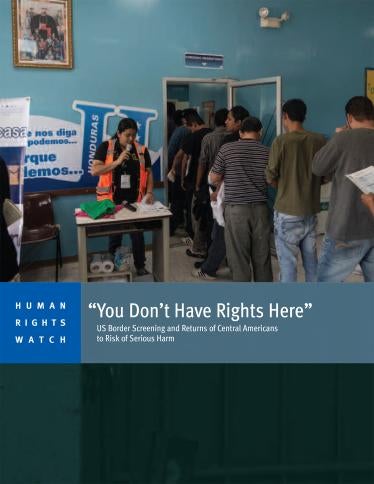
US Border Screening and Returns of Central Americans to Risk of Serious Harm
This report details the US border policies and practices that place migrants at risk of serious harm back home, based on the accounts of people sent back to Honduras, people in detention, and an analysis of deportation data obtained through the Freedom of Information Act.
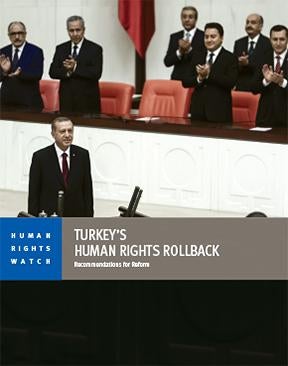
This 38-page report outlines the rollback of human rights and rule of law in Turkey, linked to mass anti-government protests in 2013 and corruption allegations that go to the very heart of the government of the ruling AKP.
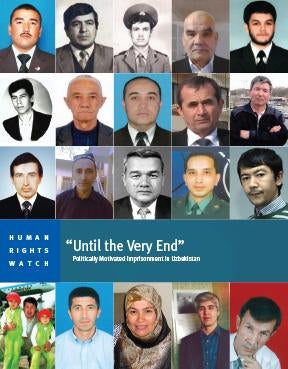
This 121-page report presents disturbing new findings about the treatment of 34 of Uzbekistan’s most prominent people imprisoned on politically motivated charges. They include two of the world’s longest imprisoned journalists and others who have languished behind bars for more than two decades.