Teresa M., a 30-year-old Guatemalan woman, had just left home for her job manufacturing cabinets when she was stopped by Alabama police in June and asked about her immigration status. A colleague was driving, and Teresa, who had been in the United States for seven years at the time, said she doesn’t know why they were pulled over.
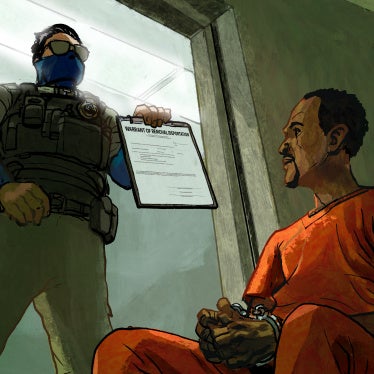
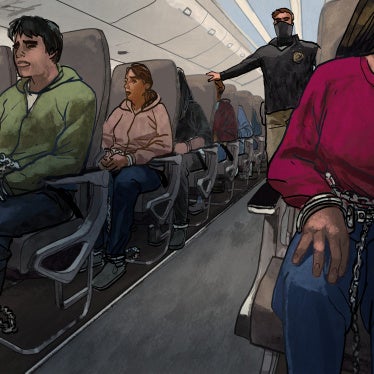
Teresa, who has a 12-year-old daughter, and two sons, ages 6 and 1, didn’t have a chance to see her three children. She was taken directly to jail, where she spent the night before federal immigration agents arrived and transferred her to immigration detention, first to Birmingham, then Tuscaloosa, and then to the state of Louisiana. Along the way, immigration agents gave her an impossible choice: bring her children with her to face detention and likely deportation or leave them behind with their father.
“I thought of bringing my children,” she said, “but my daughter has had three surgeries and still needs one more next year.” She also said that her 6-year-old son receives speech therapy, a service that would be harder to access in Guatemala.
Although she considered taking her youngest child to Guatemala with her, she decided that her children should stay in the United States. “I told my husband that I was okay, and he should take care of the kids.”
She described a rushed encounter with a judge and being asked to sign papers agreeing to leave voluntarily.
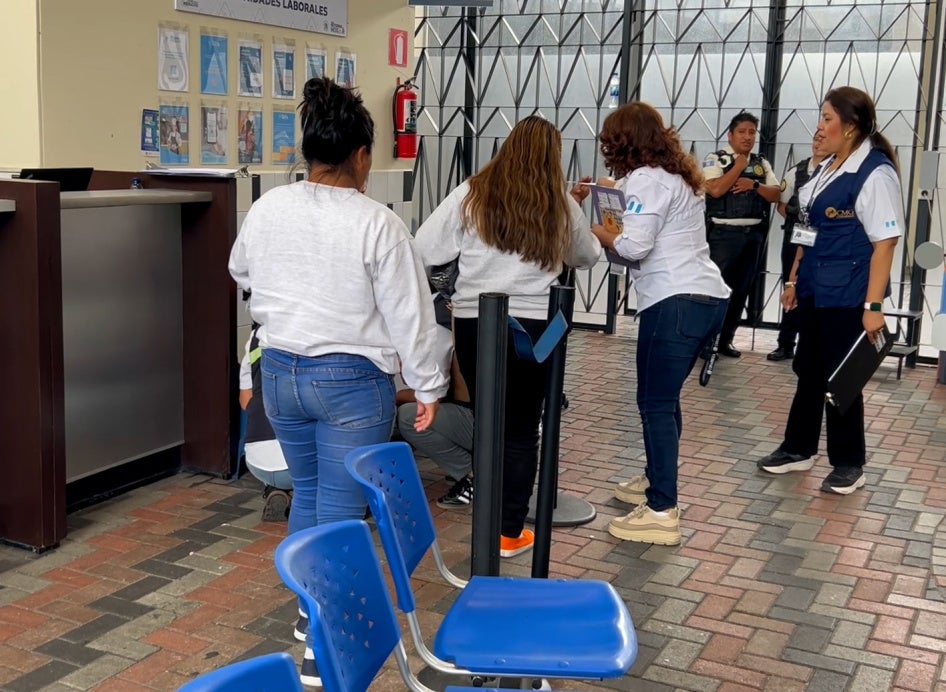
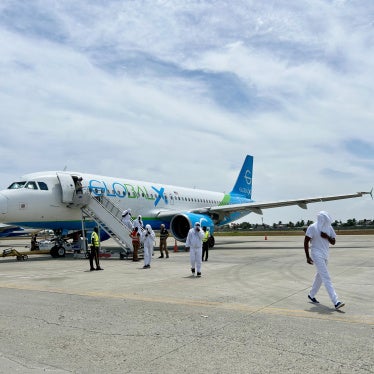
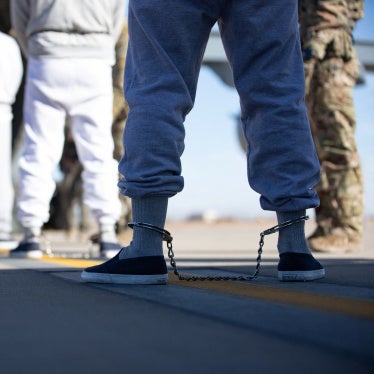
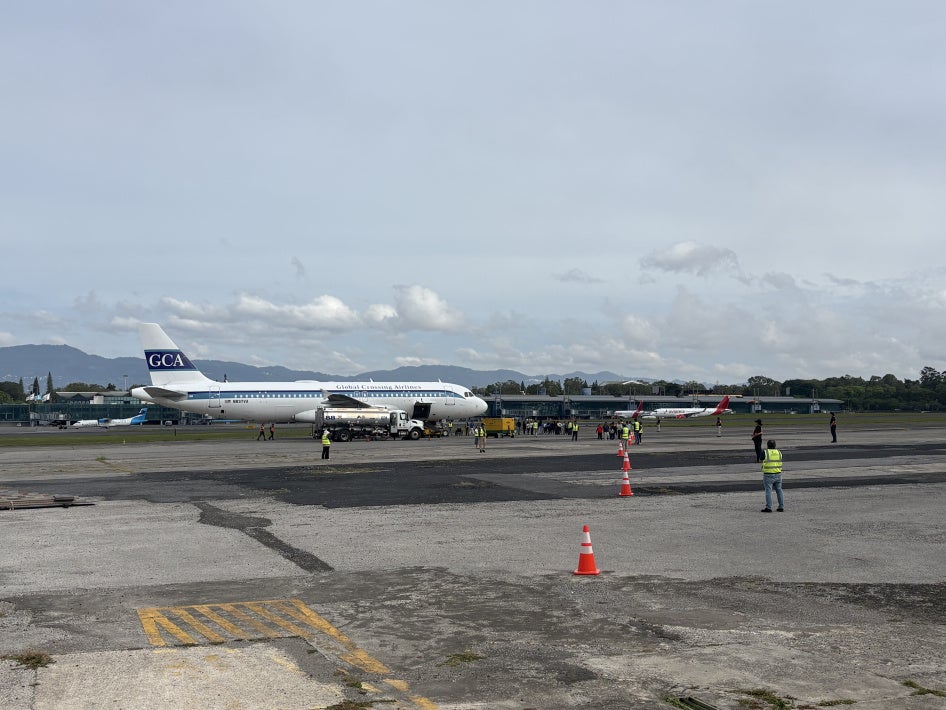
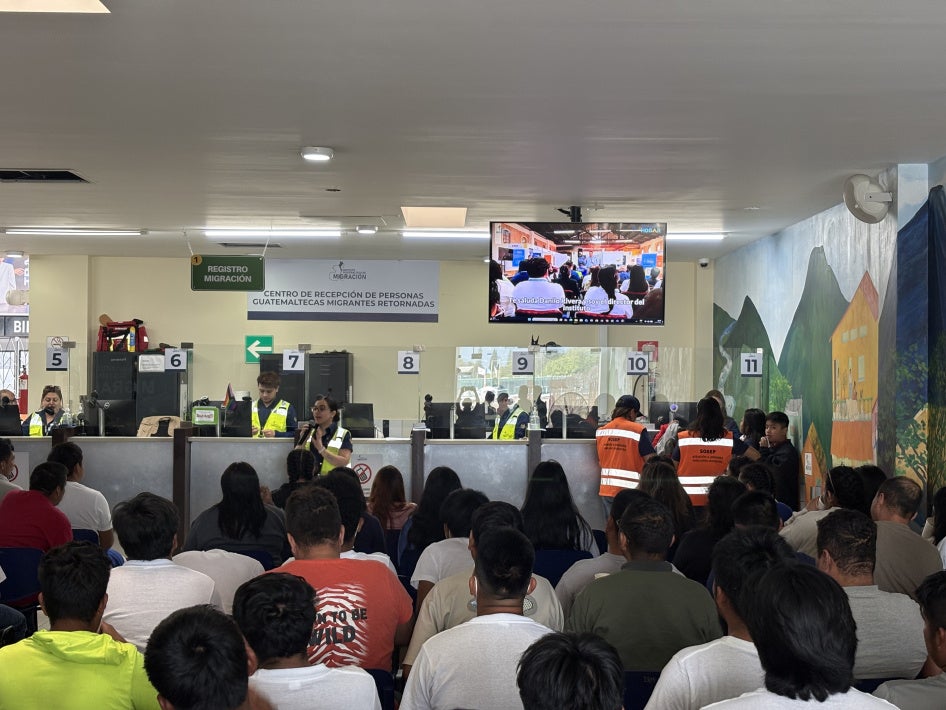
Human Rights Watch met Teresa in Guatemala just after her deportation flight landed. Exhausted, she sat in an aluminum-walled shed just off the tarmac that had been turned into a makeshift reception center for those deported from the United States. White plastic bags holding deportees’ personal belongings—gathered by US Immigration and Customs Enforcement (ICE)—were stacked against one wall.
Teresa’s children have been deeply distressed in her absence, especially the baby. “Those first days [after the arrest], the youngest one just cried and cried,” she said. “He didn’t want to eat.”
Teresa—whose name we have changed to protect her privacy, along with the others described here—is just one of dozens of parents interviewed by Human Rights Watch in the aftermath of their deportations from the United States in recent months. Over and over, they described the anguish of separation from their families and the suffering their children have experienced in their absence.
Over 540,000 people have been deported since the start of the second Trump administration in January 2025. The summer of 2026 brought a surge in ICE arrests, especially of noncitizens without criminal convictions. These immigration enforcement actions have had devastating impacts not just on those detained or forced to leave the country, but on the children left behind.
“I did not get to hug my son”
Pierre R. fled to the United States from Haiti with his wife in 2019 after a criminal group attacked his home in Port-au-Prince and killed his parents. In the United States, he was granted Temporary Protected Status (TPS), a program that protects people from deportation to designated countries due to dangerous conditions, and he applied for asylum.
Pierre lived in Florida where he worked at a hotel, cleaning and carrying supplies and eventually training new hotel workers. “The job was hard, but I was doing well,” he told Human Rights Watch in an interview in August. His now 5-year-old son was born in the United States and is attending school.
“People knew me there,” Pierre said as he reflected on his life in Florida. “My coworkers knew my wife and son, my neighbors knew and supported us, and we attended church on Sundays.”
Haitians living in the United States had been protected by TPS since 2010 due to ongoing, fluctuating humanitarian crises and violence. Last year, the Trump administration moved to end TPS for Haitians, and in late June 2026, after a lengthy court process, the US Supreme Court allowed the termination to proceed.
In May—a month before the Supreme Court case was resolved—ICE agents detained Pierre during a routine check-in.
“I went because I had always complied with immigration,” Pierre said. “I believed I would sign some papers and go home to my family. Instead, they arrested me.”
Pierre said that immigration authorities told him his TPS work permit had expired. He explained that he had applied to renew it on time, but he had not yet received a response. He said he also had a pending asylum case.
Pierre was held for two months in two different immigration detention facilities—both in Florida—including the Krome North Service Processing Center, where Human Rights Watch documented cruel, inhuman, and degrading treatment in a report released last year. A recent oversight report by the US Department of Homeland Security (DHS)’s Office of Inspector General found that Krome failed to comply with DHS standards, including those for medical care, food safety, and use of force.
After nearly three months in detention, Pierre was deported to Haiti on August 20. He is one of hundreds of Haitians that US authorities have deported back to their country of origin, where they face threats to their lives and safety and receive little to no support.
His wife and son remain in Florida.
“I worked so that he could grow up without the fear, violence, and uncertainty that I had known in Haiti,” Pierre said. “I did not get to hug my son. My wife is now alone with the rent, the bills, and our child. She tells me that he still waits for me and asks whether I will be there when he comes home from school.”
“A source of comfort”
Dr. Cecilia G. works as a pediatrician at a health center in Los Angeles providing healthcare services to immigrant families. Cecilia, who comes from an immigrant family, said she has seen firsthand how support “can change the trajectory of a child’s life, of a family’s life.”
“You can’t change what happened to a person, but you can support them in that moment and hopefully be an ally or a source of comfort,” she told Human Rights Watch in a September interview.
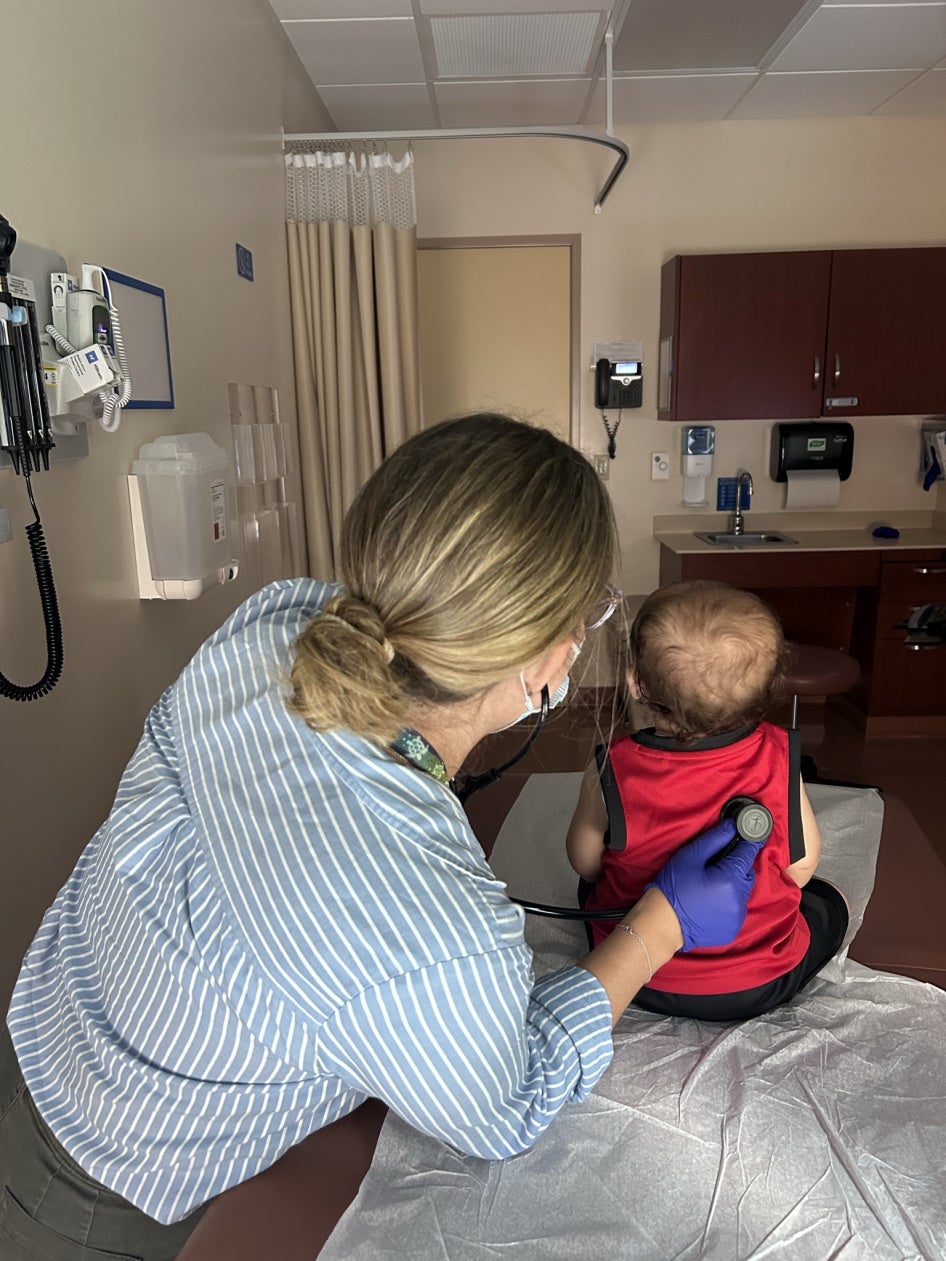
In recent years, she has treated children experiencing trauma after their loved ones were arrested, detained, or deported. “I’ve seen now two or three teenagers who have had significant mental health impacts,” she said. She described one 15-year-old who “ingested a lot of medication to try to end their life because their parent was taken away.”
Public health research has shown that family separation—or the fear of it—can have wide-ranging impacts on children, leading to stress, anxiety, depression, sleep disturbances, and behavioral changes.
Cecilia emphasized the potential long-term effects of traumatic experiences in childhood.
“We know that down the line, this can lead to chronic illness, to increased risk for other chronic conditions,” she explained. “It’s not something that we’re only going to see now. It is 10 years from now, 20 years from now. These kids are going to remember this time.”
Part of her job is counseling parents to contemplate what an encounter with immigration enforcement authorities would mean for their children; that includes working with families who have children with medical conditions to create plans in case the parents are separated from their kids. Cecilia urges them to designate a medical proxy, someone who can help with healthcare decision-making for the children if needed. But many families struggle to do so. “What we’re finding is a lot of people in this community don’t have a lot of support,” she said. “There isn’t another adult who can care for their child … even in an emergency setting.”
She expressed fear for one young patient, a US citizen with a serious heart condition. “This patient is very medically fragile ... [she] has been in the ICU every other month for her heart problems,” Cecilia said. “For years, she’s been in and out of surgery.”
The patient’s older sibling—a young adult—was arrested by ICE agents, detained for several months, and then deported in late 2025, leaving the child’s mother as the sole caregiver. Frightened, the patient’s mother is now considering returning to her home country with the patient, a move that Cecilia is concerned about. “I’m just really worried that my young patient might not make it if they go back to their country of origin because they are so medically fragile,” Cecilia explained. “But the parent is just really desperate and does not ever want to be separated from her child, which is understandable.”
Cecilia empathized with the difficult choice some parents face: “How do you balance needing all these special medications or interventions and maybe going back to a place that can’t provide that? ... It has a lot of parents conflicted and they’re scared.”
“I’ve lost my daughter”
Jeremiah C. spoke to Human Rights Watch in August soon after he was deported to his birth country of Guatemala. He was stopped in Florida and then arrested for driving without a license and quickly transferred to ICE custody. He was worried about his family’s livelihood without the money he earned as a construction worker. His wife would not be able to provide for their family on her income alone; they have three kids, two older children his wife brought to the relationship, and a 2-year-old US citizen daughter.
Jeremiah had been his 2-year-old daughter’s primary caregiver. “I used to feed her and sleep next to her,” he said. “I was the one taking her to daycare. She was my first child, and I looked after her as much as possible.”
Since he disappeared from her life, his daughter has had trouble sleeping. Jeremiah told Human Rights Watch that she had lost seven pounds and still often refuses to eat.
He doesn’t think that his family will be reunited as his wife has a work permit and wants to stay in the United States with her children.
“I work for cheap, I pay my taxes, but one stop with the cops and that’s it,” he said. “I’ve lost my daughter.”