
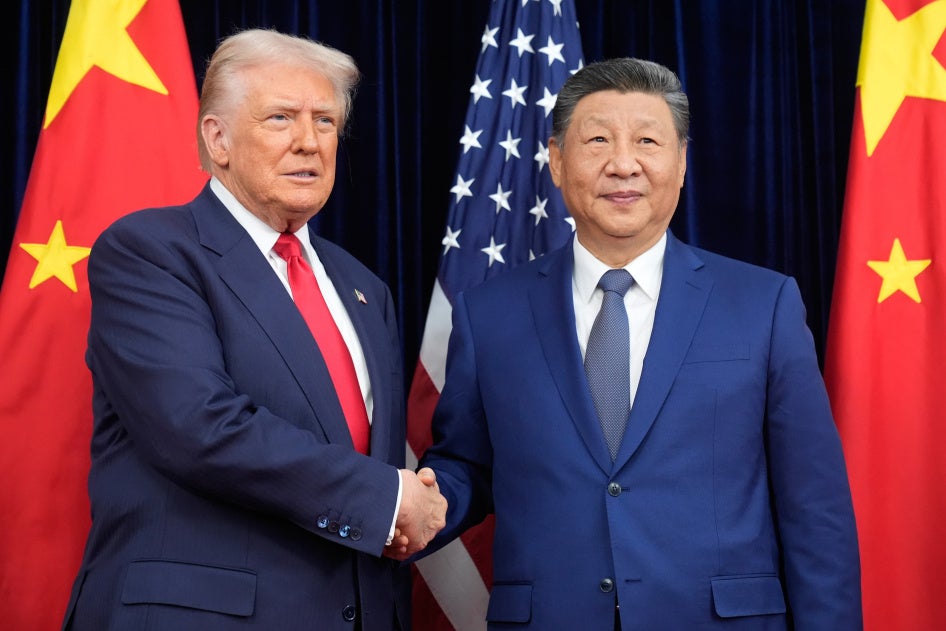
During US President Donald Trump and Chinese President Xi Jinping's September 2026 meeting in Washington, tariffs, artificial intelligence, and Taiwan may all be on the table. One subject almost certainly will not be: human rights.
While the scale and nature of the two leaders’ abuses are substantially different, their records demonstrate a shared disdain for the international human rights norms meant to constrain state power over individuals. Xi has spent the past decade overseeing crimes against humanity against Uyghur Muslims, dismantling Hong Kong’s freedoms, jailing critics, and expanding a web of repressive laws and surveillance.
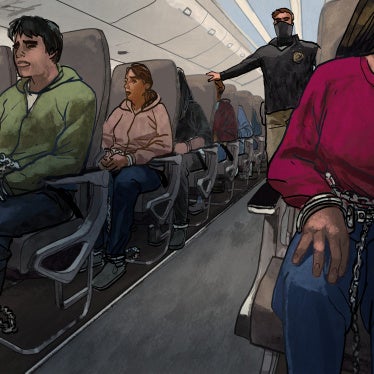
Trump has spent his second term enforcing abusive immigration policies, eliminating federal civil rights protections, overseeing war crimes in Iran and extrajudicial executions in the Caribbean, and attacking international legal institutions.
The danger is that the meeting leaves only one voice audible: might over right.
Both leaders have instrumentalized popular grievances to consolidate power. Xi’s anti-corruption campaign, while welcomed by the Chinese public, also removed his political rivals. Trump’s anti-immigrant crackdown and assault on international institutions, welcomed by his supporters, have eroded human rights norms and inspired authoritarian regimes elsewhere.
Governments have legitimate responsibilities to address corruption, regulate immigration and pursue popular policy agendas. But such policies cannot justify violations of basic rights at home or abroad.
Both leaders preside over countries in which wealth and power are increasingly concentrated. In the US, Trump has aligned with Big Tech leaders who benefit from his positions on data centers and deregulation. In China, as top Communist Party elites hold both power and access, that concentration ultimately leads to one person: Xi.
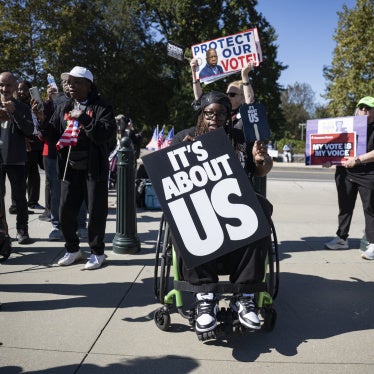
When the two leaders meet, the response in the streets of Washington may be muted. Protest organizers told Human Rights Watch they fear pressure from both sides: Chinese government harassment, surveillance and possible violence against protesters, as well as the US immigration crackdown, since many protesters come from diaspora communities.
But the same forces that helped bring the US and Chinese leadership to this illiberal moment also point towards a more constructive response.
The “China Shock”–the loss of US manufacturing jobs through rapid offshoring—has for years fueled political anger in affected US communities, contributing to the rise of Trump. While Chinese workers benefited from these jobs, globalization also strengthened the Chinese government’s capacity for control and exploit them, contributing to Xi Jinping’s consolidation of power.
A rights-affirming response should not pit American and Chinese workers against each other but recognize their shared interest in stronger worker protections. US citizens should press their representatives to support polices that strengthen American workers' abilities to advocate for themselves, including by passing the Protecting the Right to Organize (PRO) Act in the US, and to support independent unions in China.
US workers should encourage lawmakers to strengthen laws that can help end a global race to the bottom in labor and environmental protections, including by prohibiting forced labor. The Uyghur Forced Labor Prevention Act in the US, for example, seeks to end forced labor in Xinjiang. Ultimately, democratic governments should ambitiously rethink ways to factor in China’s social and environmental costs in their trade policies.
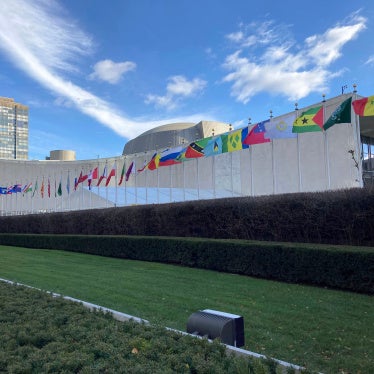
As Trump and Xi seek to pick apart the international order, few governments appear willing to defend it. Canadian Prime Minister Mark Carney gave a forceful speech in Davos calling for a "middle power" approach to resisting hegemons, but neither he nor leaders of Spain and Brazil have held Xi to such standards. If two dominant powers normalize this worldview, smaller governments will feel justified doing the same.
At the very least, rights-respecting governments should defend the international human rights system that has been critical to advancing human dignity and fundamental freedoms since the Second World War. They should hold the Chinese government accountable for crimes against humanity against Uyghurs and defend institutions such as the International Criminal Court when they come under attack from the Trump administration.
When Trump and Xi meet and smile for the cameras, the question is not what kind of deal they will forge between themselves, but what Americans—and other countries— will do about the world they are building: one in which power answers only to itself.