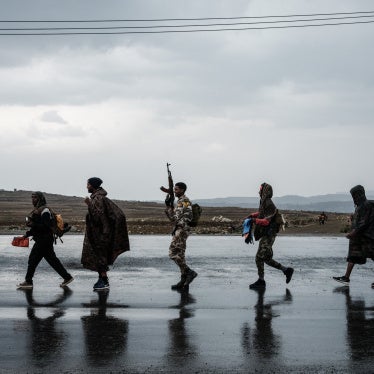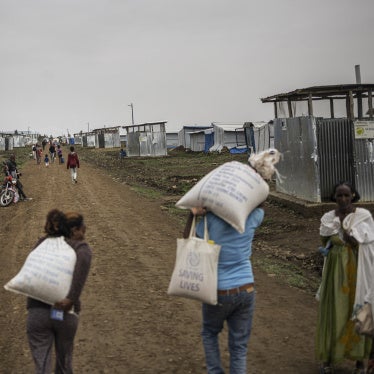
Barely a week after African leaders met in Luanda, Angola to strengthen the African Union’s conflict prevention capacity, escalating tensions in northern Ethiopia are testing whether the AU can turn early warning into action.
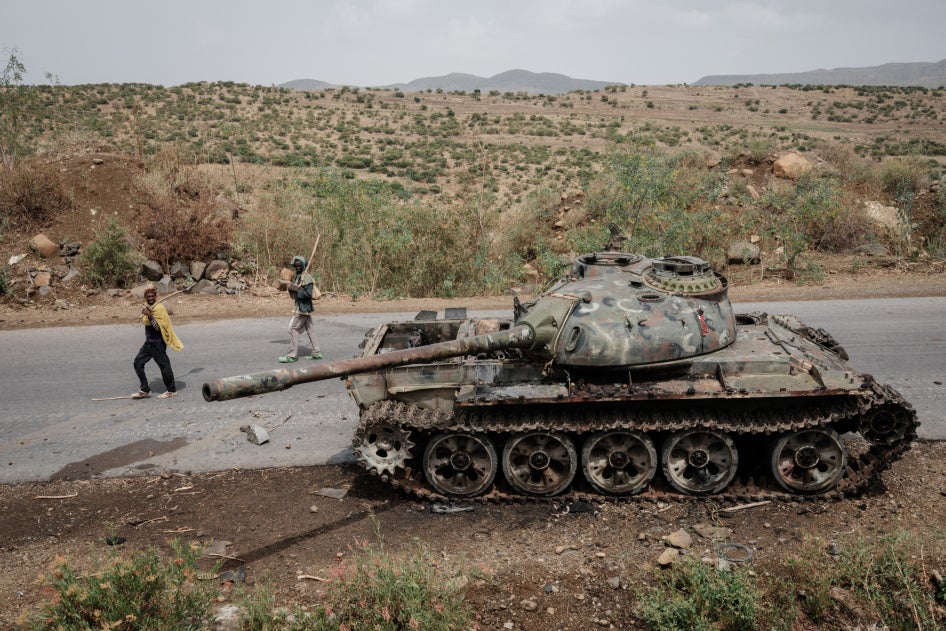
Tensions between Ethiopia’s federal government and the Tigray People’s Liberation Front (TPLF), the Tigray region’s main political party, have grown for over a year amid increasing disputes around the implementation of the AU-brokered November 2022 Pretoria Cessation of Hostilities Agreement. Both parties have accused the other of military mobilization, while unresolved questions over contested territories, the safe return of displaced people, and disarmament threaten the agreement. In August heavy fighting erupted between Ethiopian federal forces and Tigrayan forces near Ethiopia’s border with Sudan with reports of artillery and drone strikes.
The AU has expressed concern about rising tensions in Tigray as far back as March 2025 and Human Rights Watch has repeatedly highlighted concerns for the safety of civilians. In April, we documented continuing abuses against Tigrayans by authorities and security forces in Western Tigray. More recently, we documented TPLF forcibly recruiting civilians in Tigray, including children as young as 15.
The political mechanisms intended to manage growing tensions are under strain. However, efforts to revive the mediation dialogue have raised concerns about whether the existing mediation channel retains both parties’ confidence.
The AU Peace and Security Council, of which Ethiopia is a member, called on August 12 for strengthening the Continental Early Warning System to bridge the gap between early warning and early action. The Council validated on August 24 a new Trigger Model for Early Warning and Response, intended to connect identifiable risks with timely preventive action. Days later, at their extraordinary summit in Luanda, African leaders emphasized strengthening conflict prevention, mediation, and early warning and early action.
Developments in northern Ethiopia now present a concrete opportunity to put those commitments into practice.
The AU should intensify engagement with Ethiopia’s federal government and the TPLF to address the disputes threatening the Pretoria agreement. It should assess whether the existing mediation arrangement needs strengthening and call for public reporting by its Monitoring, Verification and Compliance Mechanism on compliance with the agreement, including allegations of remobilization and abuses against civilians.
The 2020-2022 conflict brought devastating abuses and civilian suffering. The AU should act before escalating tensions spiral out of control.