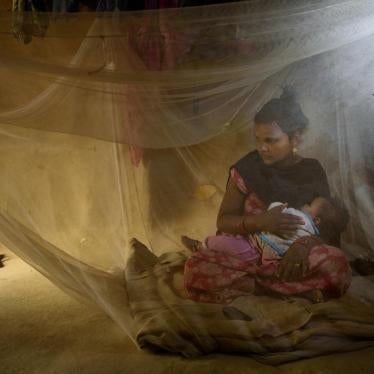
The human rights and humanitarian situations in Yemen remain dire, and the country continues to face one of the world’s worst humanitarian crises, with more than 22.3 million people in need of humanitarian assistance. The conflict has recently escalated between Houthi forces on one side and Saudi Arabia and the Yemeni governments on the other. This escalation is aggravated by the regional conflict between the US, Israel, and Iran, which has also involved Gulf states. This briefing examines the current risks to civilians including civilians at further risks, their rights and access to humanitarian assistance, food, health and other essential services.
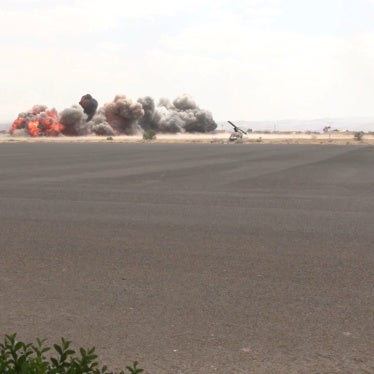
In July 2026, parties to the conflict in Yemen carried out attacks that may be in violation of international humanitarian law. This includes the Houthis’ continued attacks on civilian ships in the Red Sea, the Gulf of Aden, and in the Bab el-Mandeb Strait, as well as attacks against likely civilian objects such as airports and oil facilities in Saudi Arabia and other civilian targets in Yemen. The Saudi-led coalition and the Yemeni government has conducted airstrikes against civilian objects in Houthi-controlled territory such as Sanaa Airport.
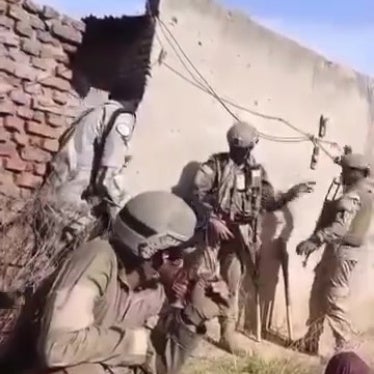
Yemeni warring parties have perpetrated human rights violations throughout the country, particularly the Houthis, the Yemeni government, and the Southern Transitional Council (STC). The Houthis have continued to arbitrarily detain at least 73 UN staff along with dozens of civil society staff. The arrests have undermined aspects of the humanitarian response at a time when food insecurity is worsening and aid operations are being reduced because of funding cuts, security risks, and restrictions imposed by the Houthis.
The Houthis, along with the STC and the Yemeni government, continue to detain journalists and restrict civic space in the areas under their control, including suppressing peaceful protest. Landmines, primarily laid by the Houthis, continue to claim the lives of civilians across the country amid a lack of adequate response from the government, demining actors, and the international community.
Recent developments suggest the conflict may be entering a new and volatile phase. All warring parties should prioritize protecting civilians and civilian infrastructure, end the cycle of violations, and ensure accountability for unlawful attacks, arbitrary detention, torture and enforced disappearances.
UN member states, and especially governments with influence on the Houthis should move beyond statements of concern and press Houthi authorities to immediately and unconditionally release all arbitrarily detained persons including UN and civil society staff, end reprisals against aid workers, and guarantee safe and unhindered humanitarian access across Yemen. The Human Rights Council should increase scrutiny of the human rights situation in Yemen, including by establishing an independent international mechanism, and/ or mandating OHCHR, to monitor and report on violations of international human rights and humanitarian law.
Crackdown on Aid Workers and Civil Society
Starting on May 31, 2024, Houthi forces carried out raids in areas under their control, arbitrarily detaining 13 UN staff and at least 50 staff from Yemeni and international civil society organizations. The Houthis have since detained dozens more, while releasing only a few individuals.
As of February 2026, 73 UN staff and dozens of other humanitarian workers remained in Houthi detention, all Yemeni nationals. Many were arrested without warrants, forcibly disappeared for months, denied access to lawyers, and denied adequate medical care despite serious health conditions.
On February 11, 2025, a World Food Programme aid worker died in Houthi custody, heightening concerns for those still detained in Houthi-run detention centers.
The arrests have been accompanied by a Houthi-led media campaign accusing humanitarian organizations and their staff of espionage. The use of such public spying allegations fits a broader pattern of persecuting peaceful civic work and silencing dissent.
The Houthis’ detention campaign has exacerbated Yemen’s already dire humanitarian crisis. Aid workers and UN staff have been unable to move freely, access offices, or carry out their work in full for fear of arrest.
The Houthi authorities should immediately release all arbitrarily detained persons including journalists, humanitarian workers, human rights defenders, activists, and UN and civil society staff. Pending release, they should ensure detainees are protected from torture and other ill-treatment and have access to health care, legal counsel, and regular contact with their families.
Renewed Attacks on Civilians and Civilian Infrastructure
In July 2026, Yemeni government forces, in coalition with Saudi Arabia, attacked Sanaa airport, the only airport providing international flights to and from Houthi-controlled territory, where the majority of Yemen’s population lives, and is a critical entry point for humanitarian personnel and aid.
The Houthis have carried out several attacks against civilians and civilian infrastructure including against Abha International Airport, Aramco oil facilities and commercial ships in the Red Sea, the Gulf of Aden and the Bab el-Mandeb Strait. The Houthis attack on a ship, the Tihama, on August 11 reportedly killed four crewmembers and injured many others.
Intentionally using starvation of civilians as a method of warfare by depriving them of objects indispensable to their survival, or attacks on civilians or civilian objects carried out with criminal intent, that is deliberately or recklessly, are war crimes. All warring parties should protect civilian airports and other critical infrastructure.
Attacks on Journalists and Civic Space
Journalists and media workers remained under threat across Yemen. Journalist Mohammed Aydah, who had reported for Saudi-owned Al Arabiya and Al Hadath since 2019, was killed in Mukalla on June 24, 2026, by an explosive device planted in his car. Authorities investigated the killing and found that two men, who Yemeni authorities state have links with the Houthis, had carried out the assassination.
On June 27, 2026, Marib security forces detained journalist Hamoud Haza while he was covering a public event. Haza said he was held incommunicado and released two days later only after signing a pledge not to criticize the internationally recognized government or its minister of information.
Houthi forces abducted journalist Salah al-Deen al-Rawhani from his home in Sanaa in March, and he has not been heard from since.
All parties to the conflict have committed serious abuses against journalists, including killings, enforced disappearances, torture, and other ill-treatment. Warring parties should end the cycle of violations and abuses, protect civilians and civilian infrastructure, and ensure accountability for unlawful attacks, arbitrary detention, enforced disappearances and torture and other ill-treatment.
Suppression of Peaceful Protest
Yemeni government-aligned forces appeared to use excessive force against protesters supporting the Southern Transitional Council in February 2026, killing and injuring dozens of protestors in Aden and Shabwa, and arbitrarily detaining dozens of protestors in Aden and Hadramout.
The Houthis arrested dozens of people in the last week of September 2025, as they have in past years, for peacefully celebrating or posting on social media about the anniversary of Yemen’s “September 26 Revolution.”
All Yemeni authorities should investigate instances of arbitrary detentions and the use of unlawful force against protestors, and should protect the right of people to peacefully protest.