How many massacres will it take in Sudan before France breaks its silence over the United Arab Emirates' support for the Rapid Support Forces ? Three years after the start of the conflict between the RSF and the Sudanese military, the prospect of fresh mass atrocities is looming. The RSF, an autonomous military force descended from the Janjaweed, who devastated Darfur in the 2000s, and which has committed war crimes and crimes against humanity across Sudan, is now attempting to encircle El Obeid, the largest city in the Kordofan region, home to hundreds of thousands of displaced people.
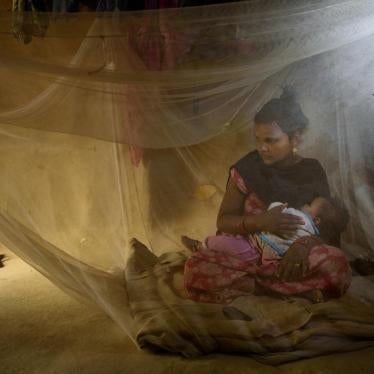
In recent weeks, drone strikes on key civilian infrastructure such as power stations and fuel depots have created an unprecedented water crisis in the city. A new siege would be even more devastating for civilians, whom the RSF has systematically targeted during such offensives. Several UN bodies are sounding the alarm.
France, alongside other EU states and the United Kingdom, expressed its "deep concern", referring in oblique terms to "external support" and calling on "those fueling the conflict to cease." The UAE is never named. Yet the evidence of its crucial role in the RSF's capacity to commit its crimes is mounting and cannot be credibly denied.
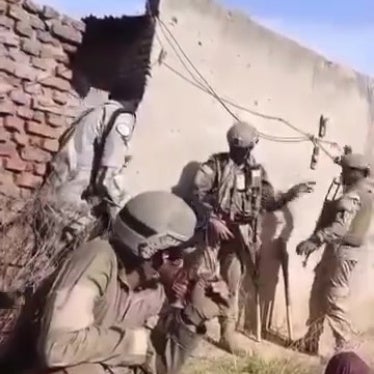
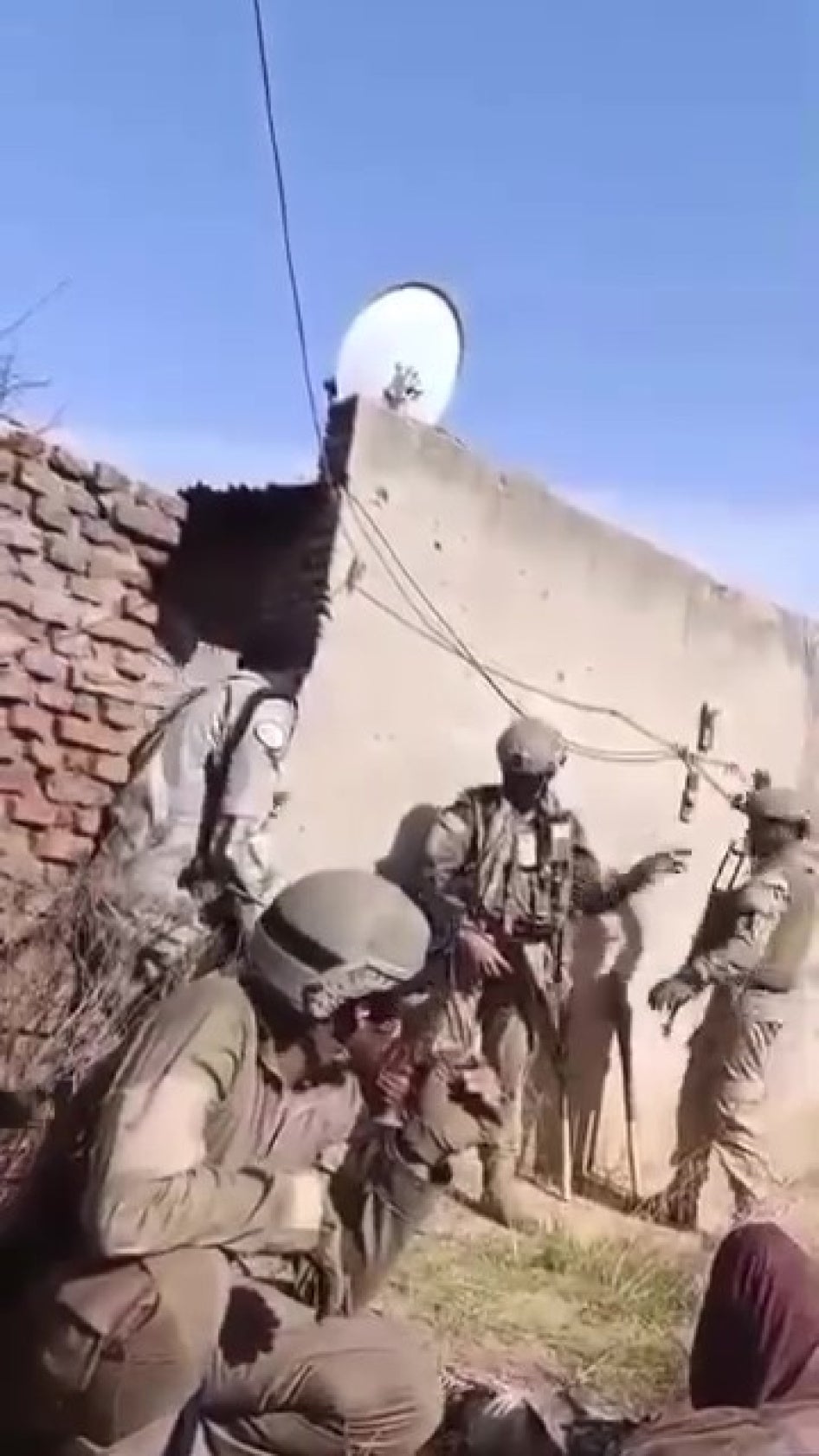
With my colleagues at Human Rights Watch, we spent more than a year investigating one aspect of this Emirati support: the recruitment of Colombian fighters alongside the RSF. What we uncovered goes well beyond what we had imagined: more than 1,000 Colombian fighters are believed to have been deployed to Darfur. They were present, according to six witnesses we spoke with, when the RSF committed mass killings and rapes in October 2025 during the capture of El Fasher, the capital of North Darfur.
These Colombians had been moved to Sudan as part of a sprawling clandestine operation spanning at least four countries. Every piece of evidence suggests it was backed by the government of the United Arab Emirates (UAE) — one of France's closest strategic partners in the Middle East and among the largest buyers of French weaponry.
Recruited in Colombia by a Colombian company, these former Colombian soldiers travelled to the UAE on commercial flights — some routing through France — before training on two Emirati military bases. One of them told us that he, along with other fighters, had been escorted directly to a base on arrival in the UAE without passing through airport border controls. The Colombians were subsequently moved to Darfur via Chad, southeastern Libya, and the Puntland region of Somalia — all in the hands of UAE allies.
In Darfur, they trained children recruited by the RSF and supplied the force with rare skills, notably in drones, in the service of its terrible 18-month siege of El Fasher, which starved the civilian population. No one knows how many civilians perished in attacks deliberately targeting them, including on ethnic grounds and as they sought to flee in large numbers.
The Abu Dhabi-based company Global Security Services Group (GSSG) was apparently running the operation. Until its role in the operation was exposed, it had boasted of being the only private company providing armed services to the Emirati government. Our research shows that GSSG's ties to the highest Emirati leadership circles are manifold.
The Emirati authorities deny it. But among Western diplomats, no one is fooled. In the corridors of international bodies and government ministries, Emirati support for the RSF is an open secret. And yet France refrains from any public pressure on the UAE.
It appears to be prioritizing the protection of its economic, political, and commercial relations over the protection of civilians in Sudan, 14 million of whom have had to leave their homes and 4 million to flee the country. France's leaders are setting aside the principles they claim to uphold and the regional stability that the UAE's actions are profoundly undermining.
The French government's silence is all the more deafening given that French military equipment — the Galix, a passive defense system manufactured by the French company Lacroix Défense in collaboration with Nexter, fitted to an armored vehicle made by Edge Group, an Emirati state-owned company — has ended up in the hands of the RSF, even though the terms of its sale for the benefit of the Emirati military expressly prohibited re-export to third parties.
This is one of three cases we have documented in which weapons and military equipment manufactured on the European continent, sold for the benefit of the UAE's military, have been diverted to the RSF in violation of end-user agreements.
Despite this, France continues to export its weapons to the UAE.
France should publicly denounce the actions of its Emirati ally in Sudan. France should also suspend its deliveries of weapons and equipment to the United Arab Emirates and bilateral military cooperation, given the proven risk of diversion in favor of the RSF.
France should likewise act within the European Union and the UN Security Council to investigate the role of GSSG and its CEO, Mohamed Hamdan Alzaabi, and where appropriate sanction them for their role in sending Colombian fighters to Darfur, which violates, among other things, the UN arms embargo on Darfur.
Civilians in El Obeid and across the rest of Sudan are in a critical situation. The silence and inaction needs to end.