Rumah Jeffery is in the Malaysian state of Sarawak, on the island of Borneo, the third largest in the world.
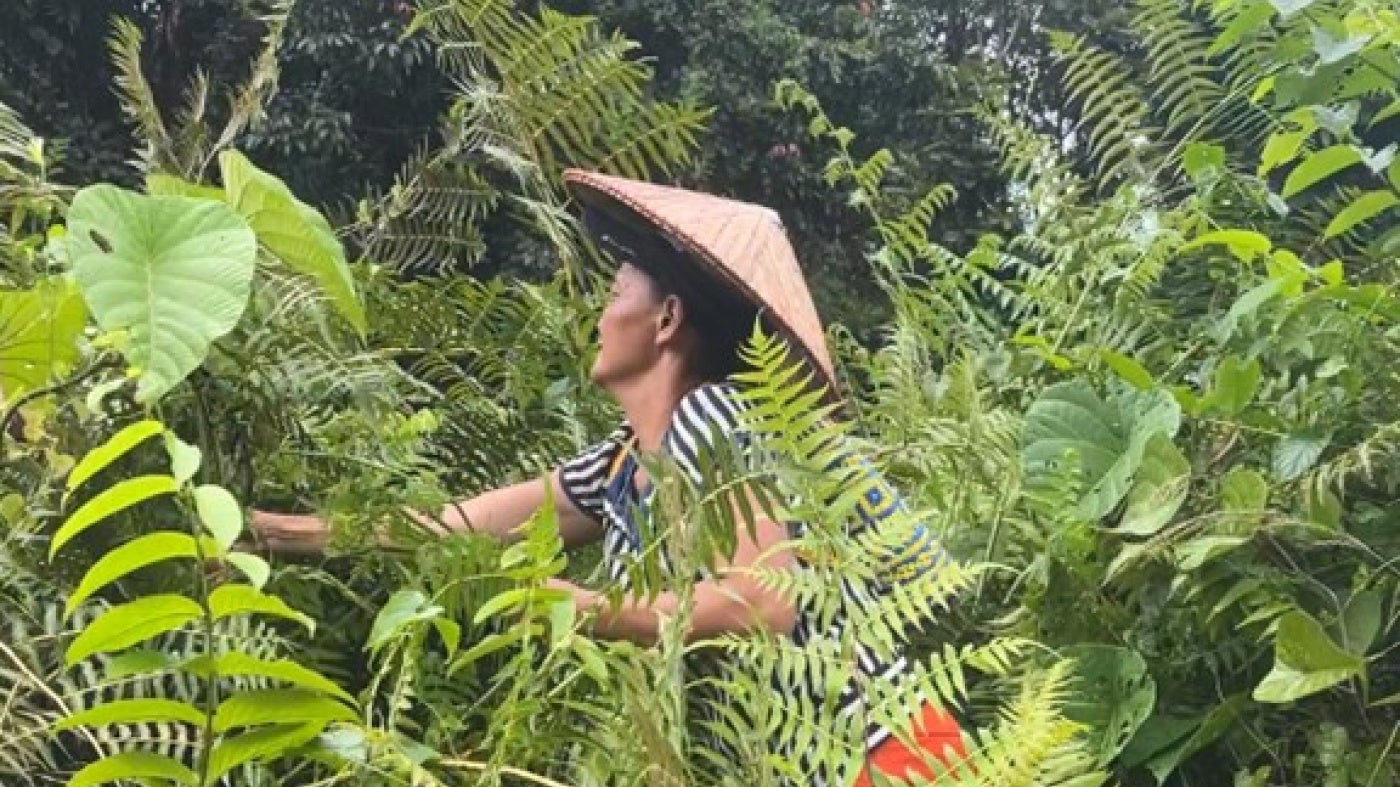
The community grows food on the land, harvests forest products, fishes in nearby streams, maintains burial grounds, and protects sacred sites. Its cultural and spiritual relationship to the forest spans generations.
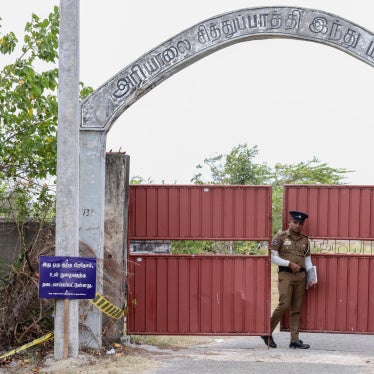
When the timber company Zedtee began logging in the community’s ancestral territory without its consent in 2022, residents tried to stop the damage. They protested and asked the authorities to recognize their customary land. Instead, the Sarawak Forest Department issued an eviction notice, giving residents 30 days to dismantle their longhouse and leave.
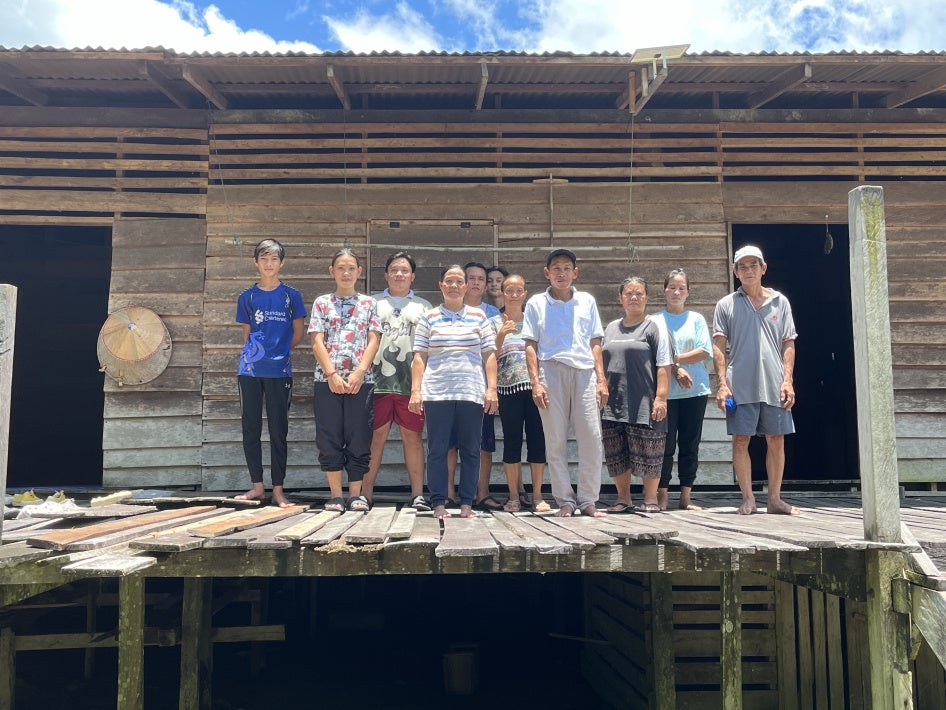
For Rumah Jeffery, eviction would have meant more than losing houses. It would have meant losing land, livelihoods, forest resources, cultural identity, and community life.
Human Rights Watch worked with the Sarawak Dayak Iban Association (SADIA) to document the case, expose the risks, and press authorities, companies, and international buyers to act. Our joint advocacy helped reduce the threat and contributed to policy openings on land, forests, and corporate accountability.
Ancestral land, company concessions
Sarawak is home to most of Malaysia’s remaining rainforest; Indigenous communities have long struggled to secure legal recognition of their customary land.
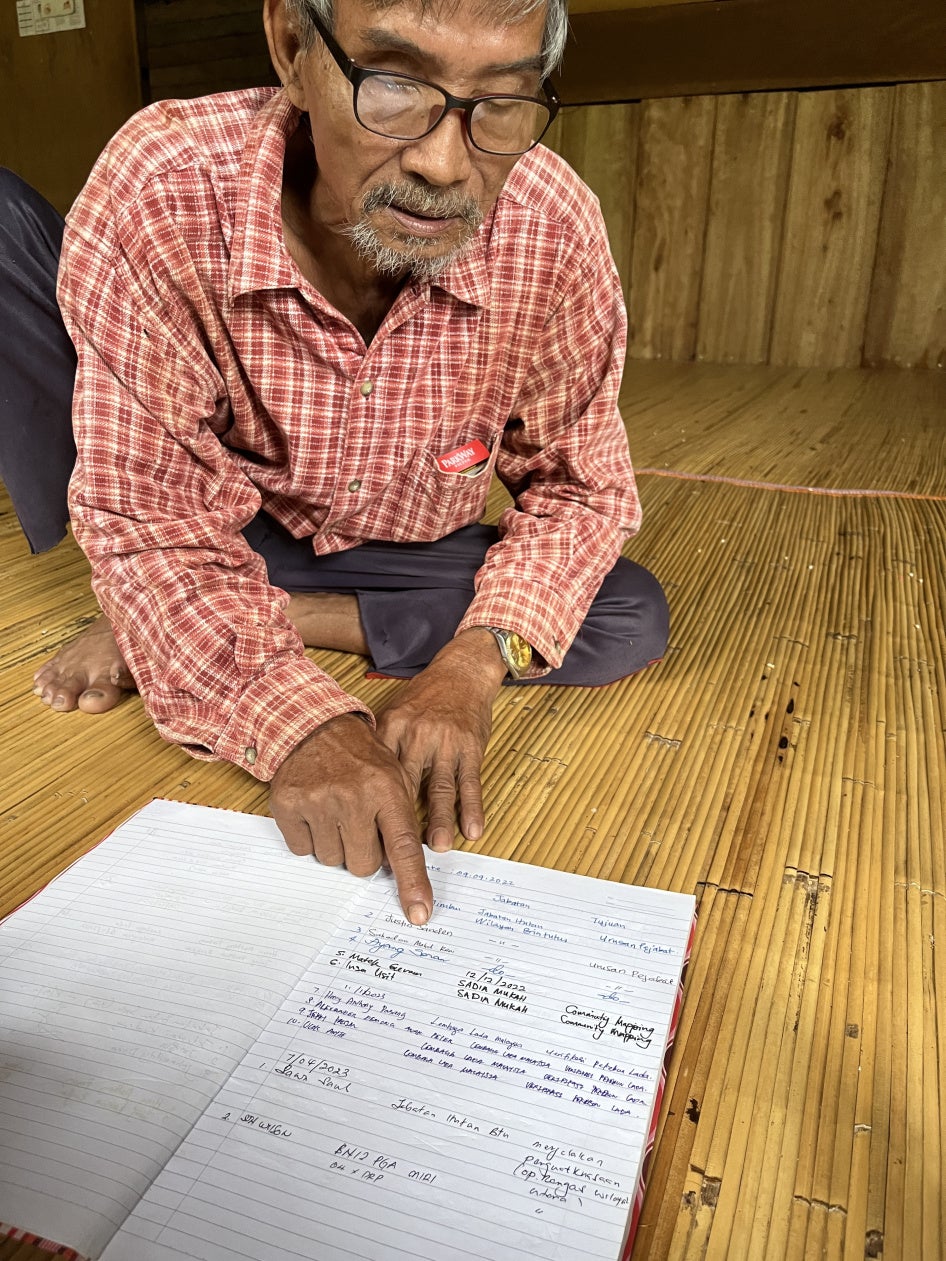
Rumah Jeffery is an Iban Indigenous community on the banks of the Belawit River. Community members forage for edible plants, harvest fruit, fish in nearby streams, grow vegetables, and sell crops in local markets. At the community’s request, SADIA mapped their ancestral territory, documenting graveyards, orchards, and sacred sites. Human Rights Watch’s analysis of historical maps found that the community’s presence had already been documented in the 1950s.
A forest can look empty on a concession map. Rumah Jeffery showed it was not.
Despite this history, the Sarawak government had granted Zedtee two concessions covering the community’s territory: one for selective logging and another for a tree plantation that would require the forest to be cleared. Human Rights Watch found that Zedtee, part of the Malaysian Shin Yang Group timber conglomerate, had logged there without Rumah Jeffery’s consent. Satellite imagery and field research showed tree cover loss, roads, and cleared areas close to the longhouse.
The government’s legal position was striking: The state treated the community as encroaching on a protected forest, while allowing company licenses over the same land. The government sought to “protect” the forest from the people who lived there but opened it to commercial operations.
From eviction threat to land recognition
Human Rights Watch published “Facing the Bulldozers: Iban Indigenous Resistance to the Timber Industry in Sarawak, Malaysia” in May 2025. The report documented that Zedtee had logged in Rumah Jeffery’s ancestral territory without obtaining the community’s free, prior, and informed consent, to which Indigenous peoples are entitled under international law, and that the government had threatened to remove the community rather than protect its rights.

Human Rights Watch concluded that enforcing the eviction order would constitute an unlawful forced eviction under international human rights standards. The government should not have included the community’s land in the company’s concessions, and the concessions violated Sarawak’s sustainable forestry policy. The Sarawak Forest Department said the plantation license was managed in accordance with applicable rules and policies. Zedtee later disputed Human Rights Watch’s findings. Human Rights Watch said historical maps, accounts from community members, and satellite analysis contradicted the company’s account.
After publication and further advocacy, Sarawak Forest Department officials told Human Rights Watch and SADIA that they would not forcibly evict the community. They also indicated that Rumah Jeffery’s territory would be removed from the company’s concessions, one of the community’s main demands and a central Human Rights Watch recommendation.
SADIA later reported that the community had been invited to submit the coordinates of its territory in support of a land title application. This suggests the decision may be moving into effect. If completed, the process would move the community from protection against eviction towards formal recognition of its customary land.
Connecting local evidence to wider pressure
SADIA’s mapping showed that the community’s relationship to the land was documented and that the territory overlapped with company concessions. Human Rights Watch researchers visited the community, walked the land with residents and partners, reviewed maps and satellite imagery, documented the eviction threat, and assessed the rights implications.
Internationally, Human Rights Watch and partners used the case to engage European Union officials and other actors. The EU Deforestation Regulation, which Human Rights Watch had supported over several years, was central because it links access to the EU market to deforestation and compliance with relevant laws, including land rights. Together with Malaysian organizations SAVE Rivers, KERUAN, and RimbaWatch, as well as international partners Borneo Project and Bruno Manser Fonds, Human Rights Watch contended that Sarawak should face closer scrutiny because of risks of deforestation and violations of Indigenous peoples’ rights.
What looked like a local land dispute was also a test of whether timber and palm oil industries would respect the rights of the communities that live on impacted lands.
Early engagement with Malaysia’s Ministry of Plantations and Commodities helped Human Rights Watch understand the gap between federal policy commitments and implementation in Sarawak. The new EU regulation helped create leverage by connecting land and forest governance in Sarawak to national trade priorities and international markets.
The work depended on local leadership. Community members remained on the land despite threats, documented their history, marked trees they wanted to protect, and continued to pursue recognition of their territory. SADIA helped the community map and defend its land claim. Human Rights Watch combined field research, geospatial and supply chain analysis, legal assessment, media engagement, and international advocacy in partnership with Malaysian and international groups, allowing evidence about local abuses to inform wider policy processes.
What changed and why it matters
The work contributed to three changes:
First, the immediate threat to Rumah Jeffery was reduced. The Forest Department has not enforced the eviction order and officials told Human Rights Watch and partners that they would not forcibly evict the community. They also indicated that the territory would be removed from company concessions. However, the eviction order has not been publicly withdrawn and the land title process requires further action.
Second, Sarawak announced a halt to new provisional leases for oil palm plantations. If maintained and implemented, this can reduce future risks by preventing companies from accessing land before customary claims have been surveyed and recognized. While it does not resolve existing leases, it does create a precedent that could be replicated to control the expansion of timber plantations.
Third, following advocacy by Human Rights Watch, SAVE Rivers, KERUAN, Borneo Project, and Bruno Manser Fonds, Malaysia’s National Action Plan on Business and Human Rights included commitments on forest protection, Indigenous rights, and environmental defenders, creating a further framework for accountability.
Indigenous land rights, forest protection, and corporate accountability are closely connected. When communities cannot secure land recognition, companies can obtain concessions over territories where people live, farm, worship, gather forest products, and maintain cultural life. When certification, regulation, and buyers fail, communities bear the costs.
The proactive Human Rights Watch project ran for three years and has now concluded. SADIA continues to monitor the case and support the community. For Rumah Jeffery and other communities in Sarawak, the goal is not only to stop the bulldozers, it is to secure customary land, protect forests, and change the incentives that allow Indigenous territories to be treated as available for company use before their rights are recognized.