July 20, 2018

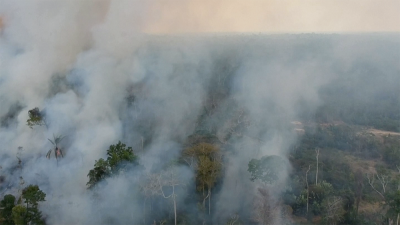
Of the 10 most widely used pesticides in Brazil in 2016, four are not authorized for use in Europe, indicating how hazardous other governments consider some of them.

Stay up-to-date and get alerts on latest videos

Subscribe

Search

  • August 6, 2020 Video
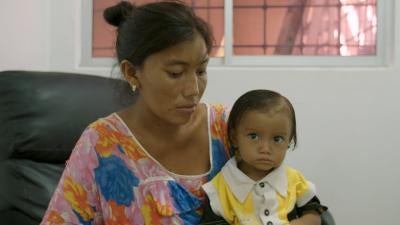
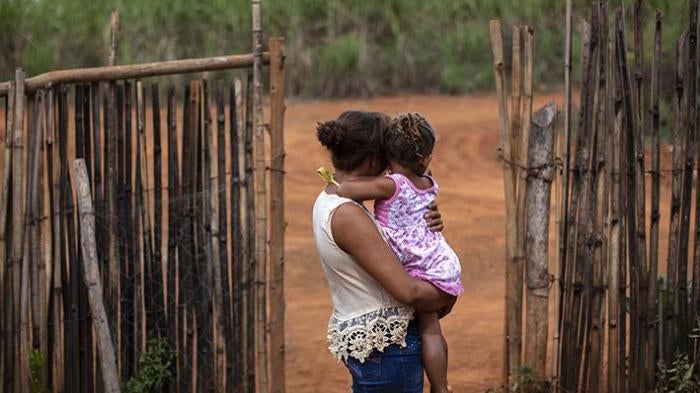
    (New York, August 13, 2020) – The Covid-19 pandemic and related lockdown are making it even harder for the Wayuu, an indigenous group in Colombia and Venezuela, to survive, Human Rights Watch and the Johns Hopkins Center for Humanitarian Health said in a joint report and accompanying multimedia piece released today.
    Wayuu woman with child
    video content
  • July 22, 2019 Video
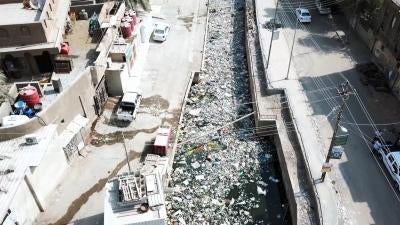
    Iraqi authorities have failed to ensure for almost 30 years that Basra residents have sufficient safe drinking water, resulting in on-going health concerns, Human Rights Watch said in a report released today. The situation culminated in an acute water crisis that sent at least 118,000 people to hospital in 2018 and led to violent protests.
    Trash build up in Basra's river
    video content
  • April 16, 2019 Video
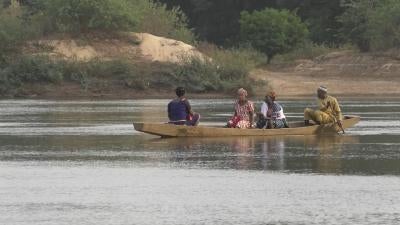
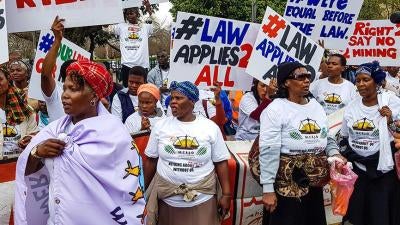
    Community activists in mining areas face harassment, intimidation, and violence, the Centre for Environmental Rights, groundWork, Earthjustice, and Human Rights Watch said in a joint report released today. The attacks and harassment have created an atmosphere of fear for community members who mobilize to raise concerns about damage to their livelihoods from the serious environmental and health risks of mining and coal-fired power plants.
    Activists from mining communities protesting at the Pietermaritzburg High Court on August 24, 2018, KwaZulu-Natal © 2018 Rob Symons
    video content
  • July 20, 2018 Video
    Of the 10 most widely used pesticides in Brazil in 2016, four are not authorized for use in Europe, indicating how hazardous other governments consider some of them.
    201807ehr_brazil_presticides
    video content