The rights of LGBT people are on the chopping block across the world, with new countries criminalizing same-sex practices and banning representation of queer relationships in 2025. However, the landscape for LGBT rights has also shifted tremendously towards progress over the past decades. What gives? This week, we explore
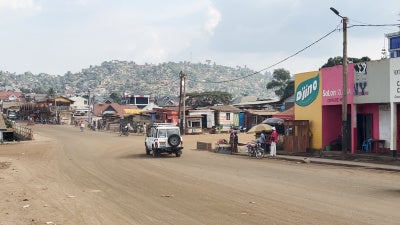
Since April 2023, more than a half-million people have been displaced in Sudan due to fighting between two armed forces who were once aligned. The story of how the paramilitary Rapid Support Forces and the Sudanese Armed Forces turned on each other, with devastating consequences for Sudan’s civilians, can be traced back to
Activists held the first mass protest at a COP conference since 2021, demanding greater environmental protection and the safeguarding of human rights for people impacted by climate change and resource extraction.
Right now at COP 30 in Belém, Brazil, governments are negotiating what it would mean to have a just transition. To make it work, we call on governments at Cop 30 to recognize rights such as a clean environment, social security, education, and health care. Governments should address how the extraction and processing of minerals needed for the energy transition will impact Indigenous peoples, communities and workers. It's vital that they also think about the need for a UN tax treaty, so that we can raise the revenue that we need for good education, good health care, for schools and hospitals. And finally, governments should create a tangible process called a Belém Action Mechanism to make sure these promises happen.
In the early aughts, a campaign to “Save Sudan” became the bipartisan issue of the time. Celebrities and politicians alike implored a global audience to pay attention to and advocate against Suan’s human rights crisis. As interventions waned, so did the attention of many global onlookers. But, since the Sudan Armed Forces
Imagine you have to leave your home where your ancestors have lived for centuries because of sea level rise and other climate impacts. Actually, many communities around the world are facing the difficult choice to stay in their homes or to move out of harm's way. Human Rights Watch has looked at such cases in places like Senegal, Solomon Islands or Panama. When they choose to leave their homes, it is done through a process called planned relocation and it is a measure of last resort for these communities who would much rather stay in their homes. We’re at COP30 in Brazil, and we just had a panel discussion on the importance of community leadership, knowledge and experiences to shape how these policies are made. If not done right, planned relocations can threaten the rights of these communities, such as their right to land or housing. You know, around the world, communities are already showing leadership already dreaming and envisioning for a better future. So one of the things that we’re pushing here at COP30 is for governments to put communities at the center of climate policies on planned relocation.