The 75-page report, “No Money, No Care: Obstetric Violence in Sierra Leone,” documents cases of verbal abuse, medical neglect, and abandonment of women and girls facing serious obstetric complications, practices that experts interviewed say are common. Many women interviewed said they were shamed and mistreated by healthcare providers for expressing pain, needing help, or for not having enough money to pay fees. Others described humiliating experiences in which healthcare providers treated them brusquely or withheld important health information. Some cases documented constitute obstetric violence, a largely unaddressed form of gender-based violence prevalent across the world.
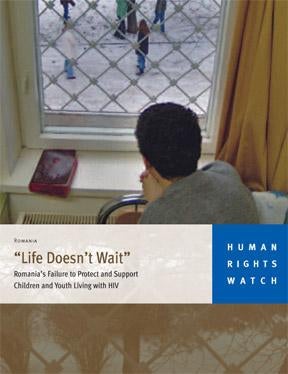
Romania’s Failure to Protect and Support Children and Youth Living with HIV
More than 7,200 Romanian children and youth aged 15 to 19 are living with HIV. The vast majority were infected with HIV between 1986 and 1991 as a direct result of government policies that exposed them to contaminated needles and “microtransfusions” in which small children were injected with unscreened blood in the mistaken belief that this would improve their immunological status.
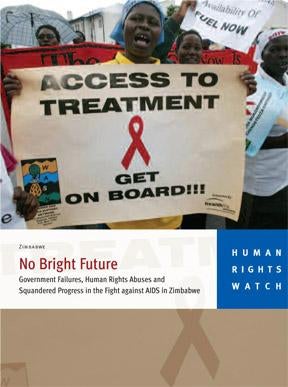
Government Failures, Human Rights Abuses and Squandered Progress in the Fight against AIDS in Zimbabwe
This 72-page report documents how the abusive policies and practices of the Zimbabwean government are fueling the HIV/AIDS epidemic, increasing vulnerability to infection, and obstructing access to treatment.
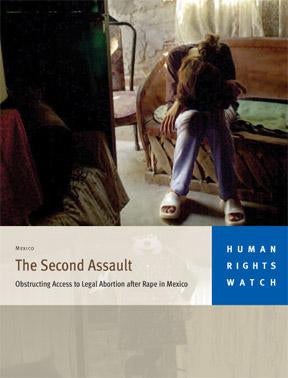
Obstructing Access to Legal Abortion after Rape in Mexico
This 92-page report details the disrespect, suspicion and apathy that pregnant rape victims encounter from public prosecutors and health workers. The report also exposes continuing and pervasive impunity for rape and other forms of sexual violence in states throughout Mexico.
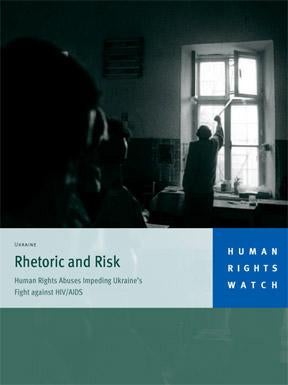
Human Rights Abuses Impeding Ukraine’s Fight Against HIV/AIDS
This report documents how draconian drug laws and routine police abuse of injection drug users – the population hardest hit by HIV/AIDS in Ukraine – keep them from receiving lifesaving HIV information and services that the government has pledged to provide.
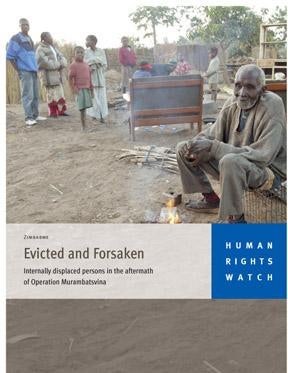
Internally displaced persons in the aftermath of Operation Murambatsvina
This 61-page report documents the government’s denial of assistance and protection to people internally displaced as a result of Operation Murambatsvina (“Clear the Filth”), which began in May. The report also examines the role of international agencies, and in particular the United Nations country team, in addressing the humanitarian crisis in Zimbabwe.
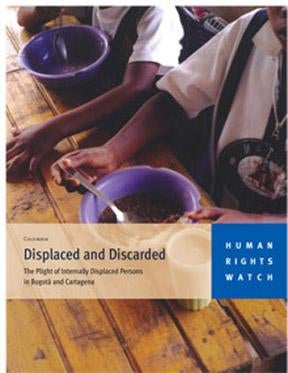
The Plight of Internally Displaced Persons in Bogotá and Cartagena
The families interviewed for this 60-page report described fleeing their homes after receiving threats, being subjected to torture, or seeing relatives or neighbors killed. When they flee their communities and seek shelter elsewhere, they may wait weeks or even months for emergency aid, are often denied medical care, and may be unable to enroll their children in schools.
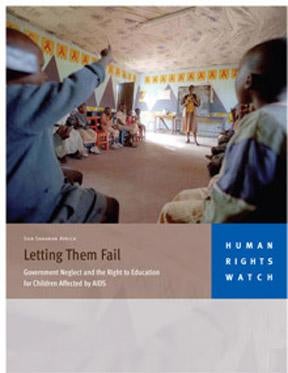
Government Neglect and the Right to Education for Children Affected by AIDS
This 55-page report is based on firsthand testimony from dozens of children in three countries hard-hit by HIV/AIDS: South Africa, Kenya, and Uganda. It documents how governments fail children affected by AIDS when they leave school or attempt to return.
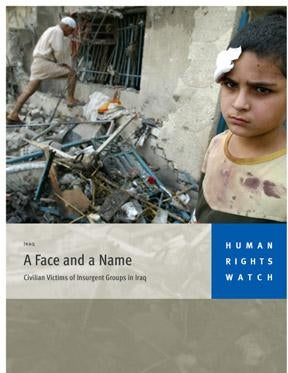
This report is the most detailed study to date of abuses by insurgent groups. It systematically presents and debunks the arguments that some insurgent groups and their supporters use to justify unlawful attacks on civilians.
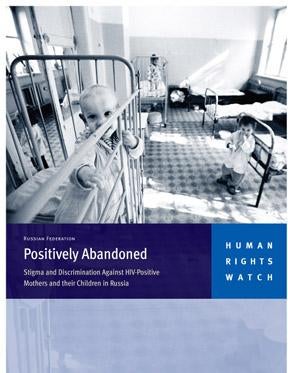
Stigma and Discrimination against HIV-Positive Mothers and their Children in Russia
As Russia’s HIV/AIDS epidemic spreads, thousands of HIV-positive mothers and their children face pervasive discrimination and abuse. This 41-page report focuses on the discrimination that these women face, as do their children, many of whom are abandoned to the care of the state.
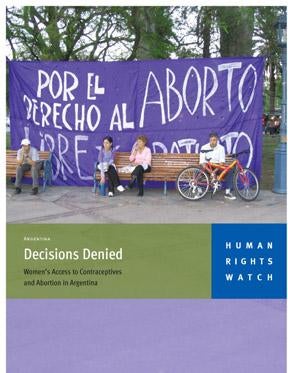
Women’s Access to Contraceptives and Abortion in Argentina
Decisions about contraception and abortion are difficult, deeply personal, and sometimes wrenching. In Argentina, women are routinely prevented from making such decisions.
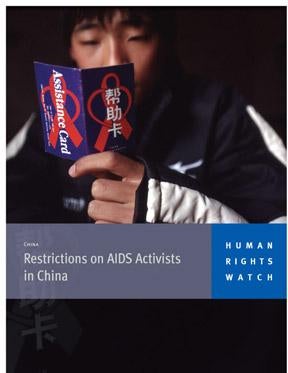
This 57-page report based on on-the-ground interviews with Chinese AIDS activists, gay rights activists, activists working with drug users, and website managers shows that while senior officials have said they want to encourage China's emerging civil society, many AIDS activists face state harassment and bureaucratic restrictions.
This 80-page report documents the recent removal of critical HIV/AIDS information from primary school curricula, including information about condoms, safer sex and the risks of HIV in marriage.
Governments around the world have done far too little to combat the entrenched, chronic abuses of women’s and girls’ human rights that put them at risk of HIV. Misguided HIV/AIDS programs and policies, such as those emphasizing abstinence until marriage, ignore the brutal realities many women and girls face.
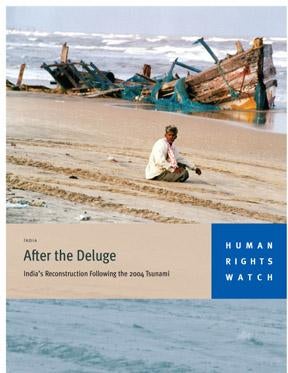
This 39-page report documents how most families have returned to locations that still lack minimal social services, such as health care and education, let alone employment. Elderly and disabled persons, widows and female-headed households experience the worst shortfalls in government assistance, particularly in rural areas.