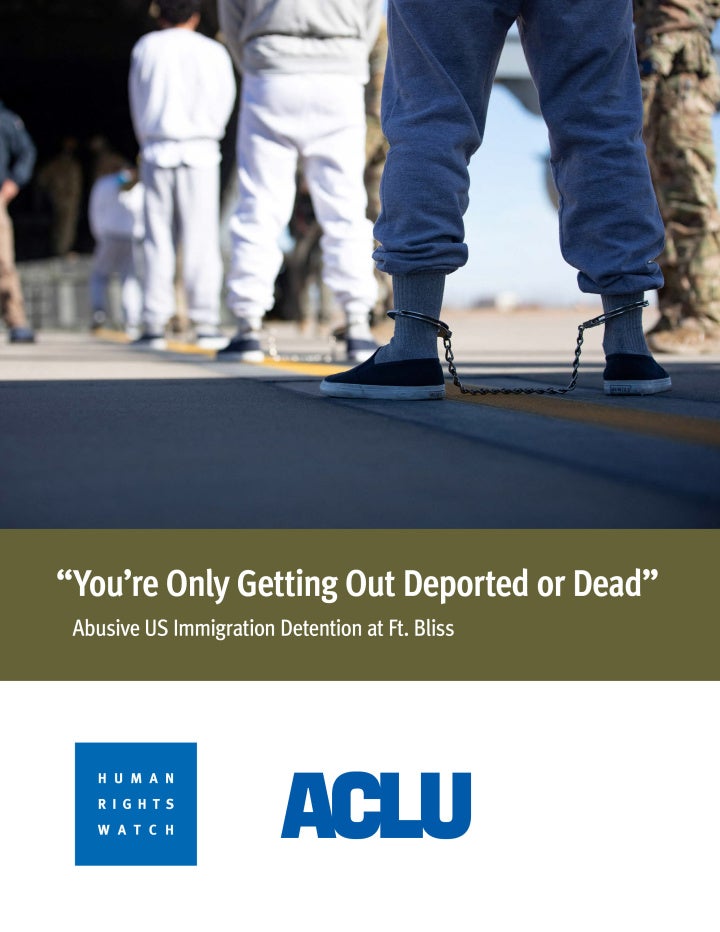
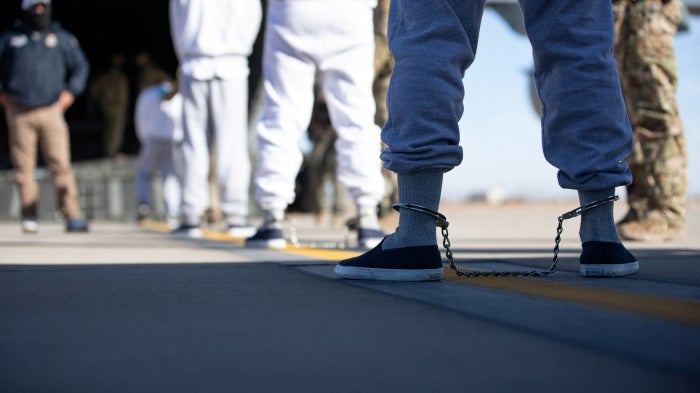
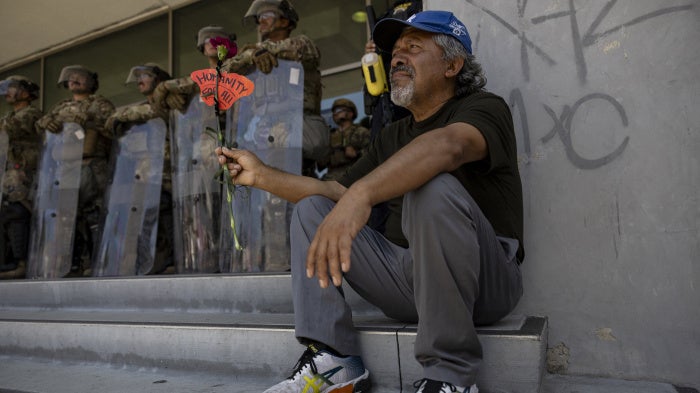
The 84-page report, “‘You’re Only Getting Out Deported or Dead’: Abusive US Immigration Detention at Ft. Bliss,” documents conditions at the largest immigration detention facility in the United States. The detention camp has the capacity to hold up to 5,000 people and consists of five “soft-sided” tent-like structures that house detained people in penned enclosures. Inside, detainees said they were forced to live in filthy and cramped conditions with up to 72 people housed in each pod. Human Rights Watch found evidence of punitive immigration enforcement practices, including cruel, degrading, and inhumane detention conditions; excessive force by guards; failures to provide medical and mental health care; coercive deportation practices; and systemic barriers to legal representation.
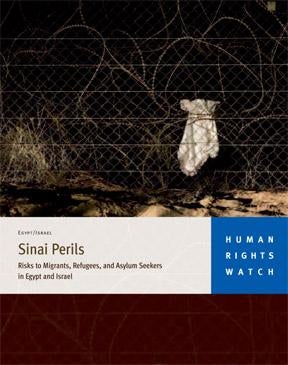
Risks to Migrants, Refugees, and Asylum Seekers in Egypt and Israel
In this 90-page report, Human Rights Watch called on Egypt to halt the use of lethal force against border crossers and all deportations of persons to countries where they risk persecution or ill-treatment. Israel should halt forced returns of migrants to Egypt, where they face military court trials and possible unlawful deportation to their countries of origin.
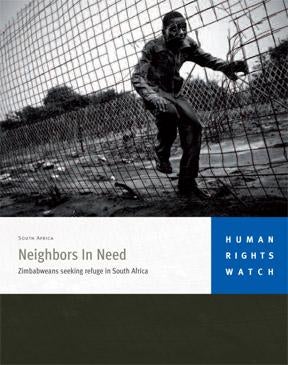
This 119-page report examines South Africa’s decision to treat Zimbabweans merely as voluntary economic migrants and its failure to respond effectively to stop the human rights abuses and economic deprivation in Zimbabwe that cause their flight and to address their needs in South Africa. Human Rights Watch spoke to almost 100 Zimbabweans in South Africa about their plight.
Submission from Human Rights Watch to the Committee on the Rights of the Child
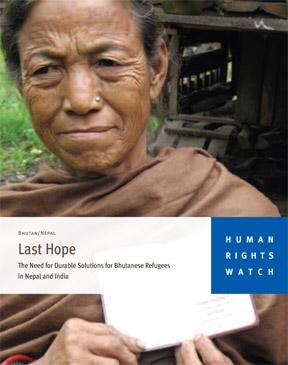
In this submission to the Committee on the Rights of the Child, Human Rights Watch provided information to the Committee on violations of the Convention on the Rights of the Child by the Bhutanese government against ethnic Nepali children in Bhutan and Bhutanese refugees in Nepal.
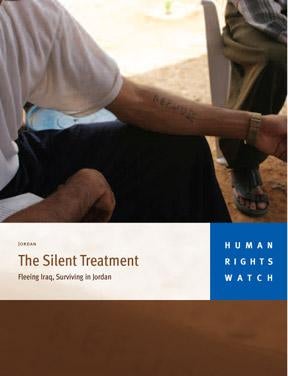
After fleeing violence and persecution in Iraq, hundreds of thousands of Iraqis living in Jordan face a daily threat of arrest, fines and deportation because the Jordanian government treats them as illegal immigrants rather than refugees. Since the war in Iraq began in 2003, more than 1 million Iraqis have fled, but none of Iraq’s neighbors, nor the United States, treats them as refugees.
European Union efforts to shift responsibility for migration to countries beyond EU borders threaten the human rights of migrants, asylum seekers, and refugees. Current EU migration polices are largely focused on keeping migrants and asylum seekers outside EU borders.
Abuses Against Migrants, Asylum Seekers and Refugees
This 135-page report documents how Libyan authorities have arbitrarily arrested undocumented foreigners, mistreated them in detention, and forcibly returned them to countries where they could face persecution or torture, such as Eritrea and S
Human Rights Watch welcomes the opportunity to address the International Organization for Migration (IOM) and its Member States at the 2005 Governing Council meeting (90th Session).
Rights Violations against Migrants and Asylum Seekers at the New Eastern Border of the European Union
This 77-page report documents the routine detention of migrants and asylum in appalling conditions, including severe overcrowding, frequently inadequate bedding and clothing, and little or no access to fresh air, exercise and medical treatment. The report also documents the physical abuse, verbal harassment, robbery and extortion suffered by those in detention.
Inadequate Protection for Refugees and Asylum Seekers in Johannesburg
This 66-page report documents how refugees and asylum seekers in South Africa’s largest city often encounter abuse by police and other obstacles throughout the refugee-status determination process. Asylum seekers and refugees in Johannesburg are often subjected to harassment, mistreatment and extortion by the police.
This report is the most detailed study to date of abuses by insurgent groups. It systematically presents and debunks the arguments that some insurgent groups and their supporters use to justify unlawful attacks on civilians.
Human Rights Watch's engagement with IOM arises from our concern that IOM has no formal mandate to monitor human rights abuses or to protect the rights of migrants and other persons, even though literally millions of people worldwide participate in IOM-sponsored programs and projects. We began to monitor and document IOM operations in the field in the early 1990s.
June 20, 2003 will mark international refugee day - a day when governments should reaffirm their obligations to protect some of the world's most vulnerable people. Instead, European governments will meet on June 20 to debate the United Kingdom's (U.K.) proposal that promises to undermine those obligations.
Australia is the only country to grant temporary status to refugees who have been through a full asylum determination system and who have been recognized as genuinely in need of protection for 1951 Refugee Convention reasons.
Briefing to the 59th Session of the UN Commission on Human Rights
The Commission on Human Rights has not focused specifically on the human rights of asylum seekers and refugees, except as a part of its work on the human rights of non-nationals more generally.