Recruitment and Use of Children by Colombian Armed Groups
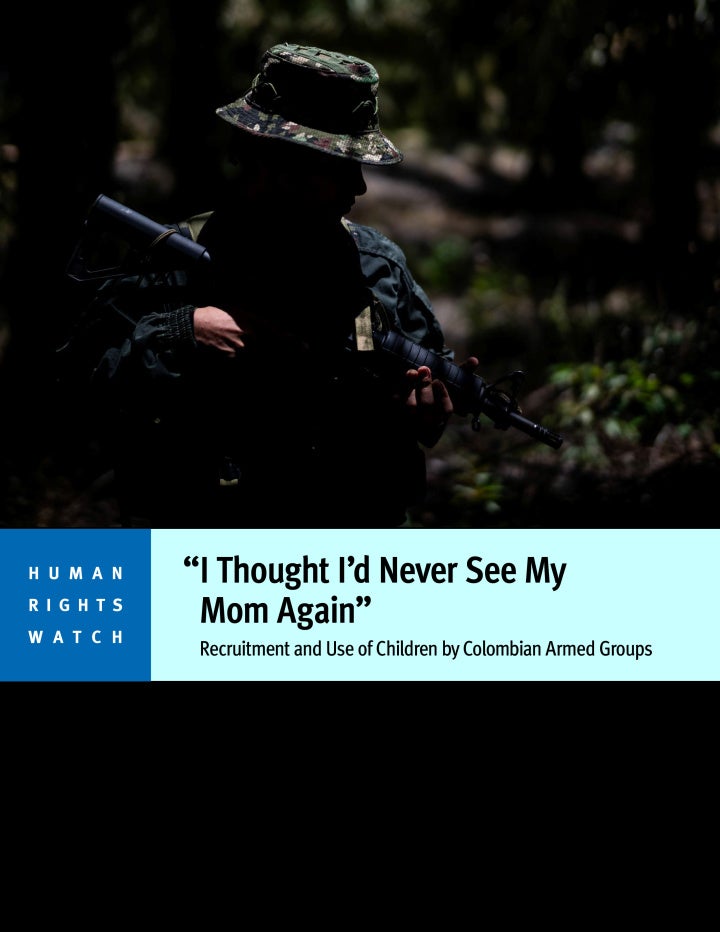
The 102-page report, “‘I Thought I’d Never See My Mom Again’: Recruitment and Use of Children by Colombian Armed Groups,” examines the dynamics of child recruitment, the factors that place children at risk, and the strategies and tools used by armed groups, including through social media platforms, to recruit them. Researchers also analyzed the government’s response and its shortcomings in preventing child recruitment, protecting and rescuing children, assisting the reintegration of those who have been released, and prosecuting the individuals responsible.
This 58-page Human Rights Watch report updates information on the use of children by all parties to the conflict, the harm they have suffered, and the adverse impact of the conflict on children’s education.
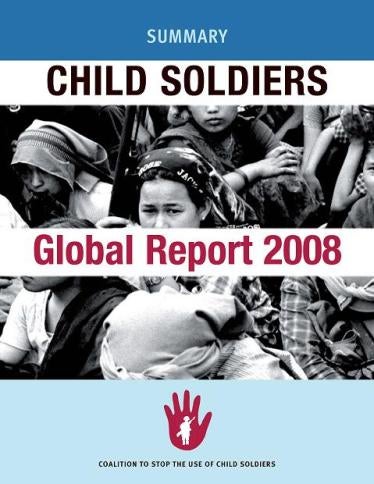
The Coalition to Stop the Use of Child Soldiers was formed in May 1998 by leading nongovernmental organizations to end the recruitment and use of child soldiers, both boys and girls, to secure their demobilization, and to promote their reintegration into their communities.
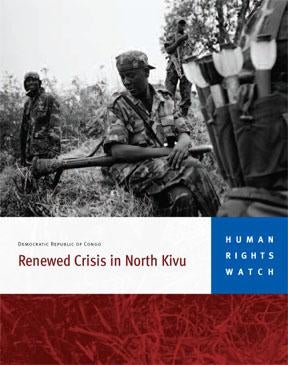
<table cellpadding="3" cellspacing="0"><tr><td><img src="http://www.hrw.org/images/home/2007/100/congo17143.jpg" align="left" border="0" /></td> <td valign="top">This 86-page report details crimes against civilians by Congolese army soldiers, troops of renegade general Laurent Nkunda, and combatants of a Rwandan opposition force called the Forces for the Liberation of Rwanda (FDLR).The report docum</td></tr></table>
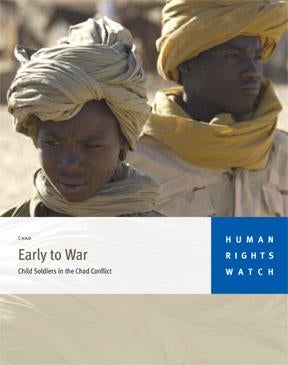
This 46-page report documents how the Chadian army, its allied paramilitary militias and rebel forces have used and recruited child soldiers in both northern Chad and along the eastern border with Sudan’s Darfur region.
In this backgrounder, Human Rights Watch said that although Khadr was just 15 when he was arrested, the United States has completely ignored his juvenile status throughout his detention. The US government incarcerated him with adults, reportedly subjected him to abusive interrogations, failed to provide him any educational opportunities, and denied him any direct contact with his family.
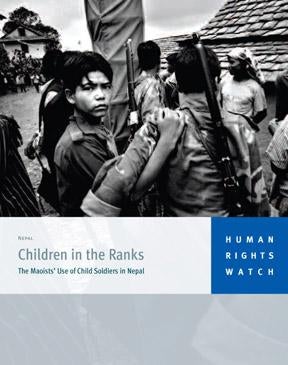
This 72-page report describes how the Maoists in Nepal have continued using child soldiers, and even recruited more children, despite signing a Comprehensive Peace Agreement with the Nepali government on November 21. The peace agreement commits both sides to stop recruiting child soldiers.
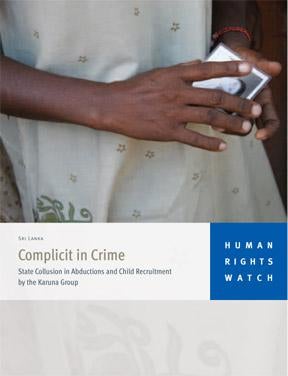
State Collusion in Abductions and Child Recruitment by the Karuna Group
In this 100-page report, Human Rights Watch documents a pattern of abductions and forced recruitment by the Karuna group in Sri Lanka over the past year. With case studies, maps and photographs, it shows how Karuna cadres operate with impunity in government-controlled areas, abducting boys and young men, training them in camps, and deploying them for combat.
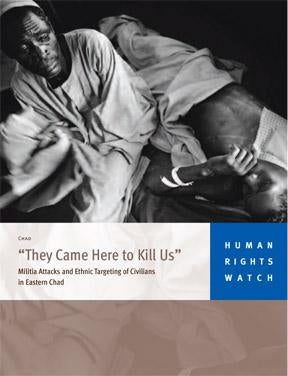
Militia Attacks and Ethnic Targeting of Civilians in Eastern Chad
This 70-page report documents a drastic deterioration in the human rights situation in eastern Chad, where more than 300 civilians were killed and at least 17,000 people displaced in militia violence in November 2006 alone. In most instances, civilians were targeted on the basis of ethnic identity.
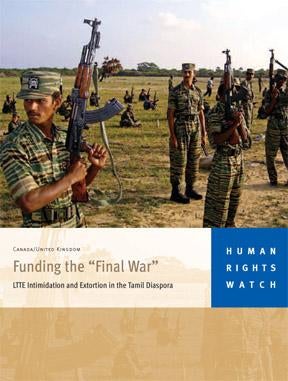
LTTE Intimidation and Extortion in the Tamil Diaspora
This 45-page report details how representatives of the LTTE and pro-LTTE groups use unlawful pressure among Tamil communities in the West to secure financial pledges. People were told that if they did not pay the requested sum, they would not be able to return to Sri Lanka to visit family members.
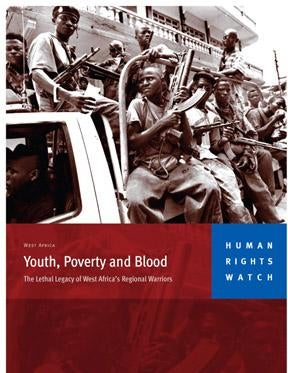
The Lethal Legacy of West Africa’s Regional Warriors
The lives of “regional warriors” are documented in this 66-page report. Based on interviews with some 60 former fighters who have crossed borders to fight in Liberia, Sierra Leone, Côte d’Ivoire and Guinea, the report explores the forces driving the phenomenon of cross-border mercenary activity in West Africa.
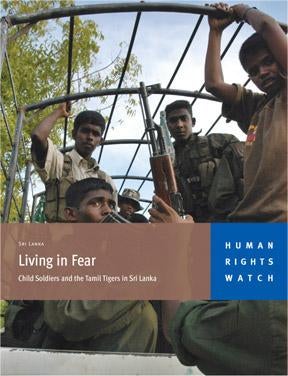
This 80 page report includes firsthand testimonies from dozens of children from northeastern Sri Lanka who have been recruited by the Tamil Tigers since the ceasefire came into effect. Children described rigorous and sometimes brutal military training, including training with heavy weapons, bombs and landmines.
This 43-page report documents how more than 15,000 child soldiers fought on all sides of the Liberian civil war, and that many units were composed primarily of children. The report argues that establishing a firm peace in the West African nation will depend on the successful reintegration of child soldiers into civil society.
A Briefing for the 4th UN Security Council Open Debate on Children and Armed Conflict
Throughout 2003 thousands of children were deployed as combatants, to commit abuses against civilians, as sex slaves, forced labourers, messengers, informants and servants in continuing and newly erupting conflicts. Children were usually used to perform multiple roles, and girls in particular often acted as combatants as well as being sexually exploited.
More than 11,000 children fight in Colombia's armed conflict, one of the highest totals in the world. Both guerrilla and paramilitary forces rely on child combatants, who have committed atrocities and are even made to execute other children who try to desert.