UK and US Forced Displacement of the Chagossians and Ongoing Colonial Crimes
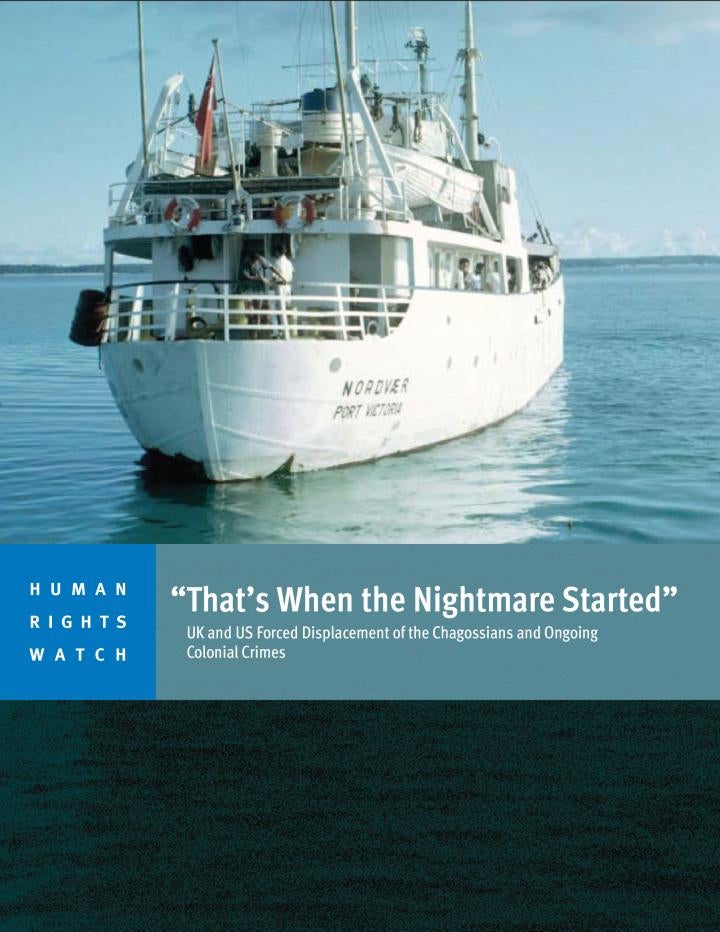
The 106-page report, “‘That’s When the Nightmare Started:’ UK and US Forced Displacement of the Chagossians and Ongoing Colonial Crimes,” documents the treatment of the Chagossians, an Indigenous people whom the UK and US forced from their homes in the 1960s and 1970s so that a US military base could be built on Diego Garcia, the largest of the islands. The UK, with US support, has prevented the Chagossians from returning home. Even though the UK and Mauritius surprisingly announced negotiations on the future of Chagos in November 2022, there has been no clear commitment to meaningful consultation with the Chagossians and to guarantee their right to reparations, including their right to return, in any settlement.
Reprisals against Critics of World Bank Group Projects
This report details how governments and powerful companies have threatened, intimidated, and misused criminal laws against outspoken community members who stand to be displaced or otherwise allegedly harmed by projects financed by the World Bank and its private sector lending arm, the International Finance Corporation (IFC). The World Bank and IFC have failed to take adequate steps to help create a safe environment in which people can express concern or criticism about projects funded by the Bank Group without risk of reprisal, Human Rights Watch found.
The Plight of Zimbabwe’s Tokwe-Mukorsi Flood Victims
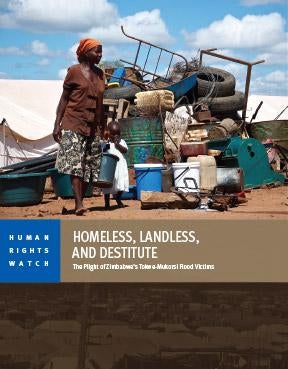
This 57-page report documents human rights violations suffered by people forced to suddenly evacuate their homes due to massive flooding in the Tokwe-Mukorsi dam basin in February 2014, which some experts say could have been avoided.
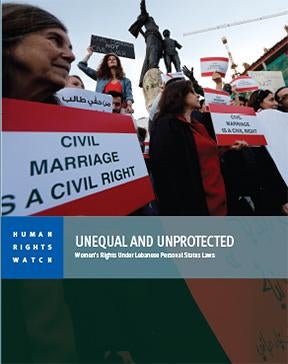
Women’s Rights under Lebanese Personal Status Laws
This 114-page report found that, across all religions, personal status laws erect greater barriers for women than men who wish to terminate unhappy or abusive marriages, initiate divorce proceedings, ensure their rights concerning their children after divorce, or secure pecuniary rights from a former spouse.
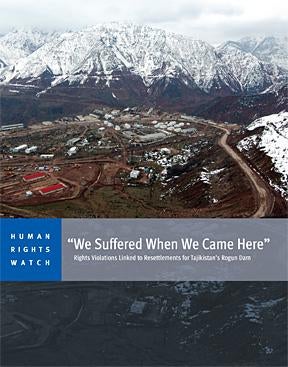
Rights Violations Linked to Resettlements for Tajikistan's Rogun Dam
The 81-page report examines serious shortcomings in the government’s resettlement of 1,500 families since 2009. The Rogun Dam and Hydropower Plant stands to displace over 42,000 people before it is operational. The major problem, people said, was that they were not given enough compensation to replace their homes.
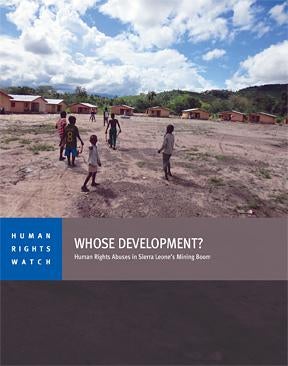
This 96-page report documents how the government and London-based African Minerals Limited forcibly relocated hundreds of families from verdant slopes to a flat, arid area in Tonkolili District. As a result, residents lost their ability to cultivate crops and engage in income generating activities that once sustained them.
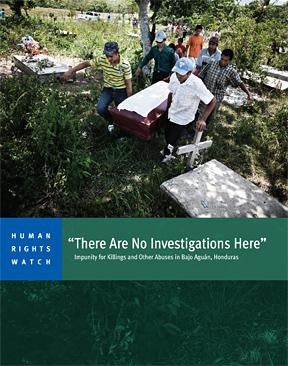
Impunity for Killings and Other Abuses in Bajo Aguán, Honduras
This 72-page repor examines 29 homicides and two abductions in Bajo Aguán since 2009, as well as human rights violations by soldiers and police. Human Rights Watch found that prosecutors and police consistently failed to carry out prompt and thorough investigations into these crimes, a failure that Honduran public prosecutors, police, and military officials acknowledged in interviews.
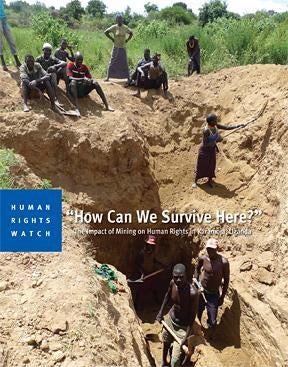
The Impact of Mining on Human Rights in Karamoja, Uganda
This 140-page report examines the conduct of three companies in different stages of the mining process: East African Mining, Jan Mangal, and DAO Uganda. Human Rights Watch found that companies have explored for minerals and actively mined on lands owned and occupied by Karamoja’s indigenous people.
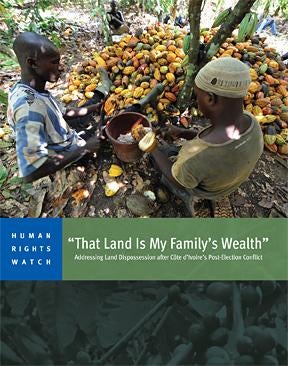
Addressing Land Dispossession after Côte d’Ivoire’s Post-Election Conflict
The 111-page report details the grave economic consequences of land dispossession and the resulting risk for inter-communal violence in western Côte d’Ivoire. The report calls on the Ivorian government to take swift and effective action to resolve fairly all claims of land dispossession and to help people register their property.
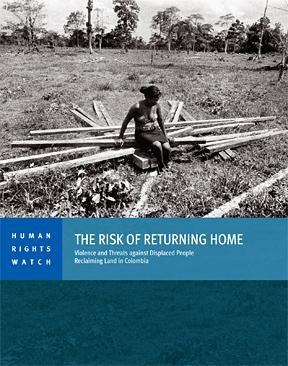
Violence and Threats against Displaced People Reclaiming Land in Colombia
This 184-page report documents killings, death threats, and new incidents of forced displacement committed against displaced Colombians in relation to their efforts to recover their land.
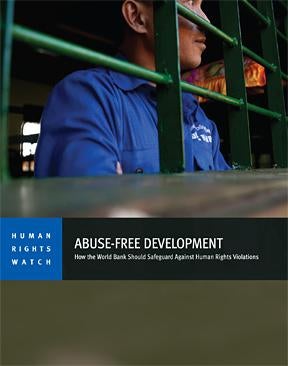
How the World Bank Should Safeguard Against Human Rights Violations
This 59-page report draws on Human Rights Watch research from around the globe to document the harm caused to some of the world’s most vulnerable people by bank-financed programs.
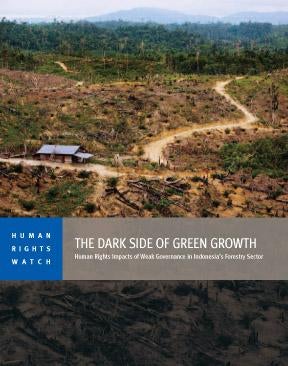
Human Rights Impacts of Weak Governance in Indonesia’s Forestry Sector
This 68-page report finds that illegal logging and forest-sector mismanagement resulted in losses to the Indonesian government of more than US$7 billion between 2007 and 2011.
Mass Rehousing and Relocation Programs in Tibetan Areas of China
Since 2006, under plans to “Build a New Socialist Countryside” in Tibetan areas, over two million Tibetans have been “rehoused” – through government-ordered renovation or construction of new houses – in the Tibet Autonomous Region (TAR), while hundreds of thousands of nomadic herders in the eastern part of the Tibetan plateau have been relocated or settled in “New Socialist Villages.”
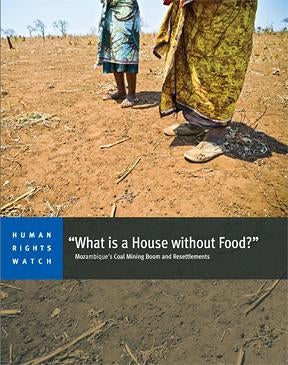
This 122-page report examines how serious shortcomings in government policy and mining companies’ implementation uprooted largely self-sufficient farming communities and resettled them to arid land far from rivers and markets. These communities have experienced periods of food insecurity or, when available, dependence on short-term food assistance financed by Vale and Rio Tinto.
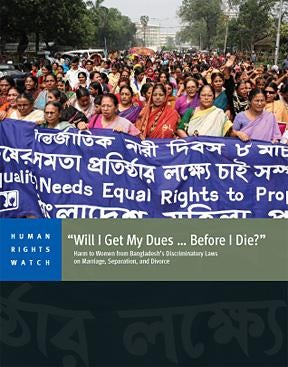
Harm to Women from Bangladesh’s Discriminatory Laws on Marriage, Separation, and Divorce
This 109-page report documents how the country’s discriminatory and archaic personal laws impoverish many women at separation or divorce, and trap some women in violent marriages because they fear destitution. Current laws deprive women of an equal right to marital property.
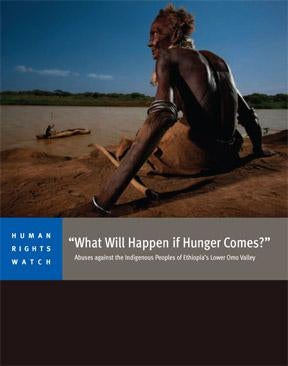
Abuses against the Indigenous Peoples of Ethiopia’s Lower Omo Valley
This report documents how government security forces are forcing communities to relocate from their traditional lands through violence and intimidation, threatening their entire way of life with no compensation or choice of alternative livelihoods.