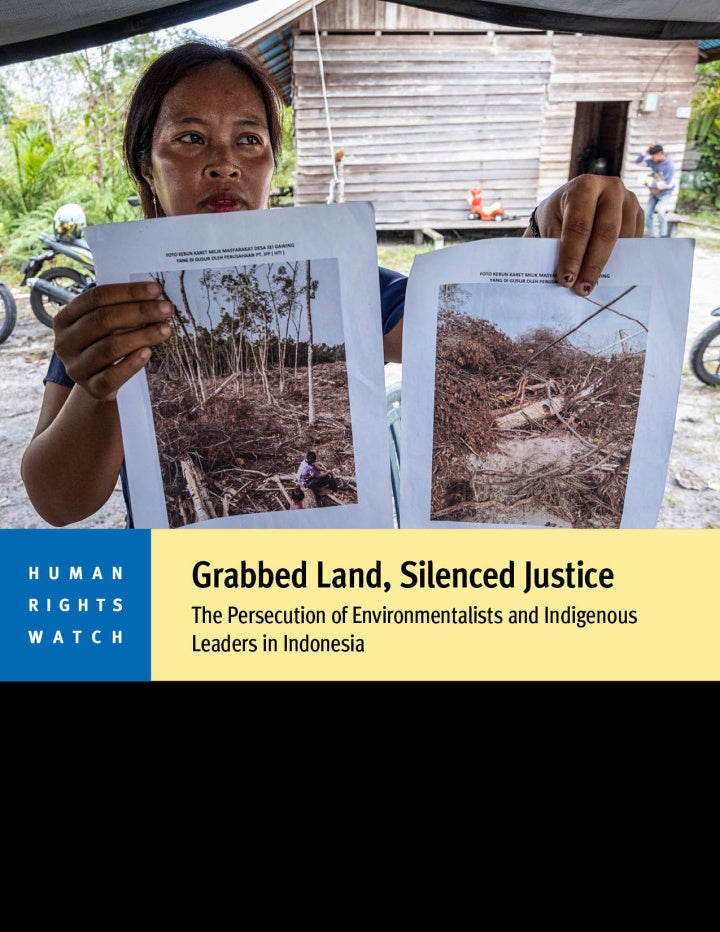
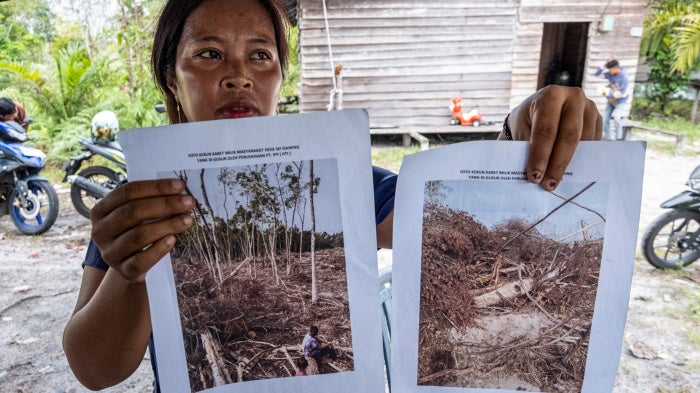
The Persecution of Environmentalists and Indigenous Leaders in Indonesia
The 70-page report, “Grabbed Land, Silenced Justice: The Persecution of Environmentalists and Indigenous Leaders in Indonesia,” documents how Indonesian police have responded to complaints filed by company officials or politicians by silencing Indigenous villagers who demand their customary land rights and the activists who defend them. The authorities have targeted environmental and Indigenous community defenders using the criminal code and other laws to bring charges ranging from defamation to “spreading communism” to silence protest over environmental harm.
The Rape Kit Backlog in Los Angeles City and County
The 68-page report reveals that the backlog of untested rape kits in Los Angeles County is larger and more widespread than previously reported. Through dozens of interviews with police officers, public officials, criminalists, rape treatment providers, and rape victims, the report documents the devastating effects of the backlog on victims of sexual abuse.
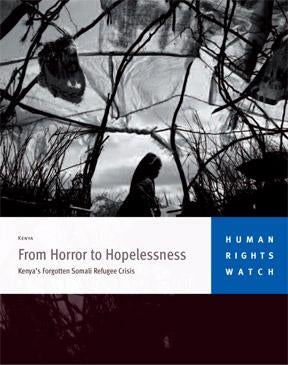
This 58-page report documents the extortion, detention, violence, and deportation at the hands of the Kenyan police faced by a record number of Somalis entering Kenya. The new refugees are joining over a quarter of a million fellow refugees struggling to survive in camps designed for one-third that number.
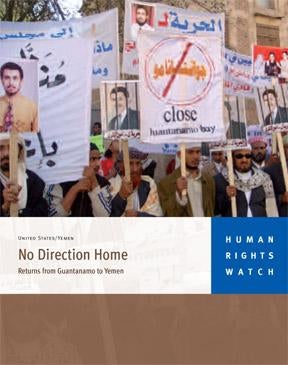
This 52-page report criticizes US and Yemeni proposals to transfer the detainees to a detention center in Yemen where they could continue to be held indefinitely, ostensibly for rehabilitation.
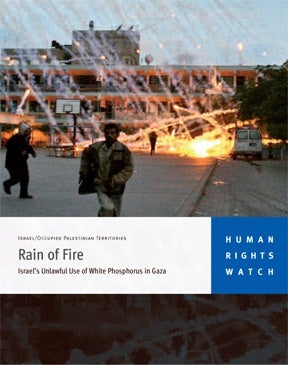
This 71-page report provides witness accounts of the devastating effects that white phosphorus munitions had on civilians and civilian property in Gaza.
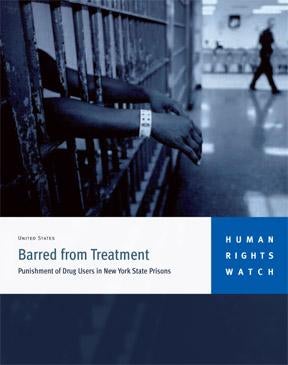
Punishment of Drug Users in New York State Prisons
In this 53-page report, Human Rights Watch found that New York prison officials sentenced inmates to a collective total of 2,516 years in disciplinary segregation from 2005 to 2007 for drug-related charges. At the same time, inmates seeking drug treatment face major delays because treatment programs are filled to capacity.
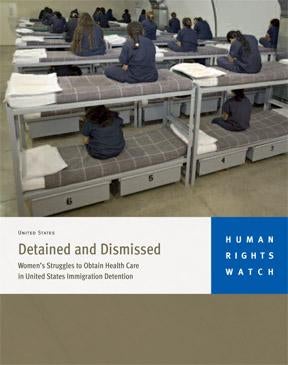
Women’s Struggles to Obtain Health Care in United States Immigration Detention
This 78-page Human Rights Watch report documents dozens of cases in which the immigration agency's medical staff either failed to respond at all to health problems of women in detention or responded only after considerable delays.
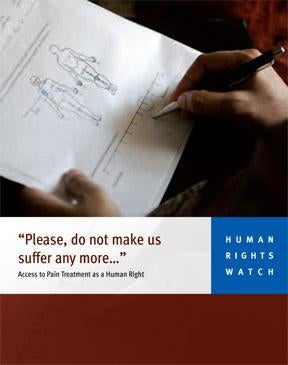
In this 47-page report Human Rights Watch said that countries could significantly improve access to pain medications by addressing the causes of their poor availability.
This 20-page report says that adult African Americans were arrested on drug charges at rates that were 2.8 to 5.5 times as high as those of white adults in every year from 1980 through 2007, the last year for which complete data were available. About one in three of the more than 25.4 million adult drug arrestees during that period was African American.
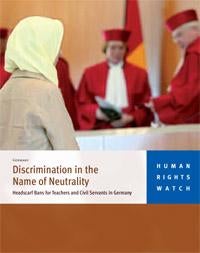
Headscarf Bans for Teachers and Civil Servants in Germany
This 67-page report is based on extensive research over an eight-month period. It analyzes the human rights implications of the bans and their effect on the lives of Muslim women teachers, including those who have been employed for many years. It says that the bans have caused some women to give up their careers or to leave Germany, where they have lived all their lives.
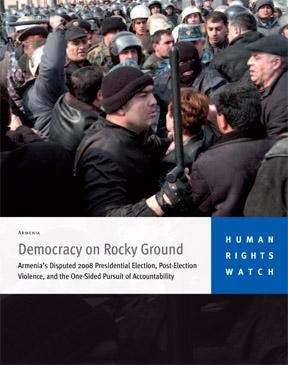
Armenia’s Disputed 2008 Presidential Election, Post-Election Violence, and the One-Sided Pursuit of Accountability
This 64-page report details the clashes between police and protesters in Armenia's capital, Yerevan, on March 1, 2008, in the wake of the disputed February 2008 presidential polls. It also documents the ill-treatment of individuals detained in connection with the violence, and lack of comprehensive investigation and accountability for excessive use of force on March 1 and in its aftermath.
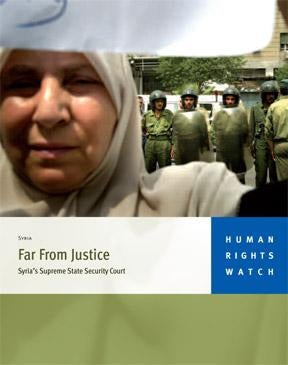
In this 73-page report, Human Rights Watch documents how the SSSC has relied on sham trials to prosecute at least 153 defendants since January 2007 on the basis of vague charges that criminalize freedom of expression. Those prosecuted include 10 bloggers, 16 Kurdish activists, and eight citizens accused of "insulting the Syrian president" in private conversations.
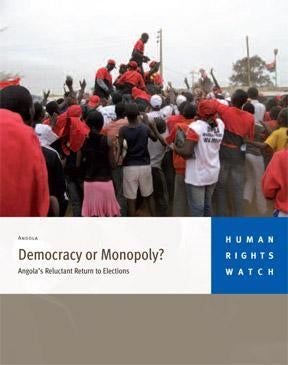
This 45-page report documents how the MPLA-dominated National Electoral Commission (CNE) failed to perform as an independent oversight body in those elections. The commission took no action against violations, including the ruling party's abuse of state media and resources, and obstructed the accreditation of national observers.
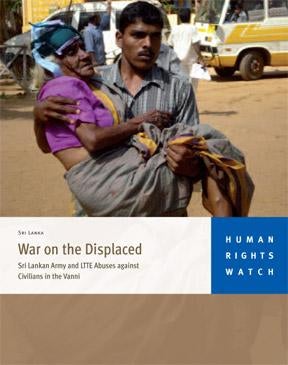
Sri Lankan Army and LTTE Abuses against Civilians in the Vanni
This 45-page report is based on a two-week fact-finding mission to northern Sri Lanka in February. The government has prohibited journalists and human rights monitors from going to the battle zone in the Vanni, making access to information difficult.
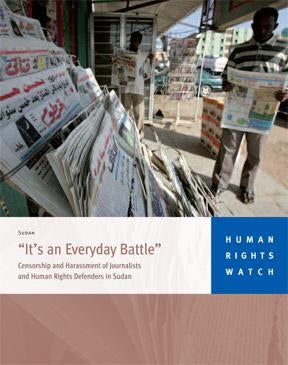
Censorship and Harassment of Journalists and Human Rights Defenders in Sudan
This 21-page report documents the government's efforts to repress those who seek to report on issues it considers sensitive, including human rights, the conflict in Darfur, and the ICC's investigation.