The Persecution of Environmentalists and Indigenous Leaders in Indonesia
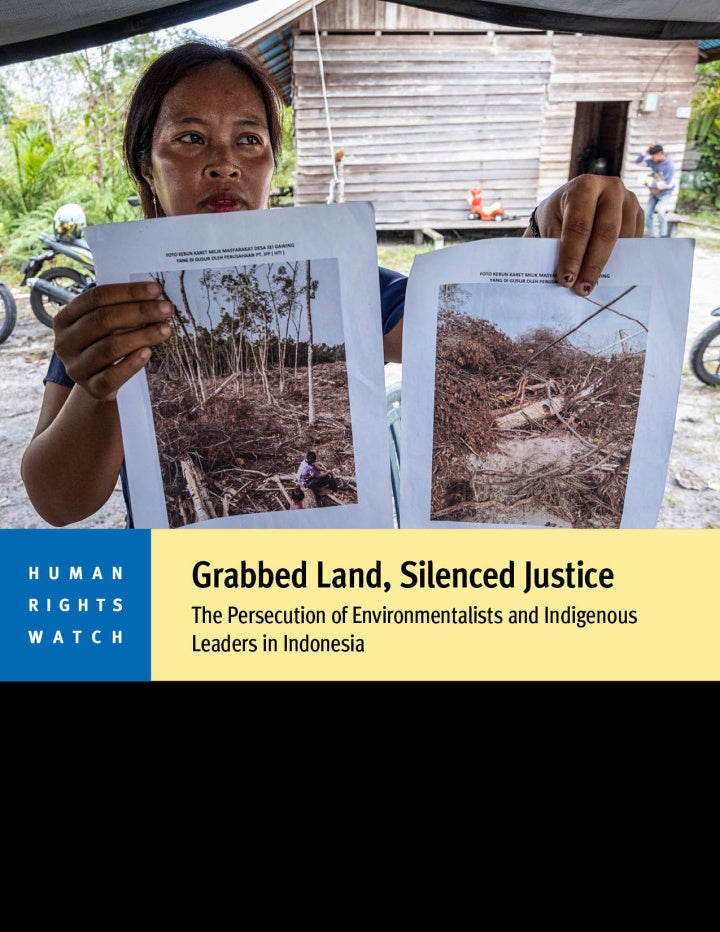
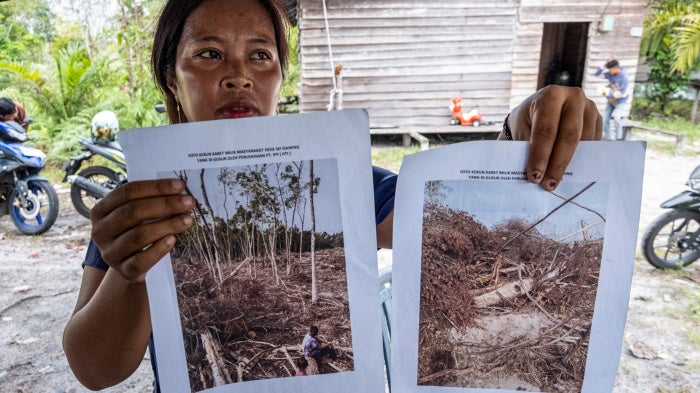
The 70-page report, “Grabbed Land, Silenced Justice: The Persecution of Environmentalists and Indigenous Leaders in Indonesia,” documents how Indonesian police have responded to complaints filed by company officials or politicians by silencing Indigenous villagers who demand their customary land rights and the activists who defend them. The authorities have targeted environmental and Indigenous community defenders using the criminal code and other laws to bring charges ranging from defamation to “spreading communism” to silence protest over environmental harm.
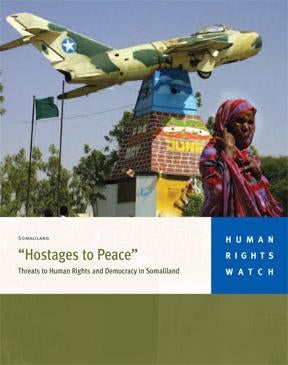
Threats to Human Rights and Democracy in Somaliland
This 56-page report says that Somaliland's government has helped create a measure of stability and democratic governance even as Somalia has remained mired in armed conflict. But Somaliland's gains are fragile and currently under threat.
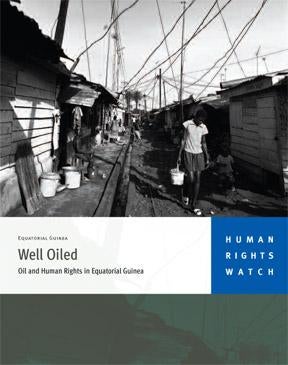
This 107-page report details how the dictatorship under President Teodoro Obiang Nguema Mbasogo has used an oil boom to entrench and enrich itself further at the expense of the country's people.
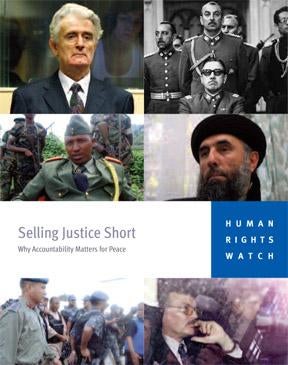
This 128-page report draws upon Human Rights Watch's work over the past 20 years in nearly 20 countries. The report documents how ignoring atrocities reinforces a culture of impunity that encourages future abuses. Rather than impede negotiations or a transition to peace, remaining firm on justice can yield short- and long-term benefits.
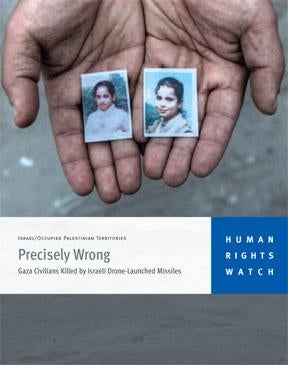
Gaza Civilians Killed by Israeli Drone-Launched Missiles
This 39-page report details six incidents resulting in 29 civilian deaths, among them eight children. Human Rights Watch found that Israeli forces failed to take all feasible precautions to verify that these targets were combatants, as required by the laws of war, or that they failed to distinguish between combatants and civilians.
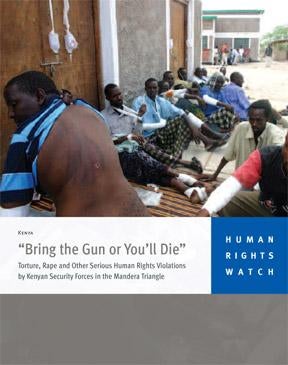
Torture, Rape, and Other Serious Human Rights Violations by Kenyan Security Forces in the Mandera Triangle
This 51-page report documents rampant abuses during the operation and provides detailed accounts of the events in four of the 10 communities that were targeted.
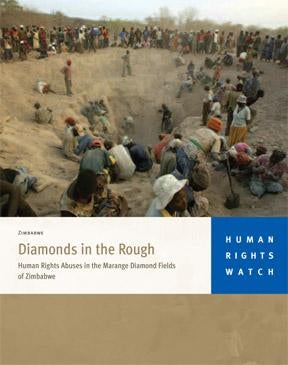
Human Rights Abuses in the Marange Diamond Fields of Zimbabwe
This 62-page report documents how, following the discovery of diamonds in Marange in June 2006, the police and army have used brutal force to control access to the diamond fields and to take over unlicensed diamond mining and trading.
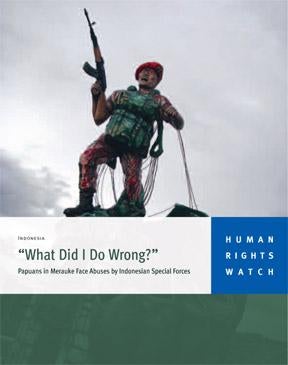
Papuans in Merauke Face Abuses by Indonesian Special Forces
This 16-page report documents how Kopassus soldiers operating in the town of Merauke, in Indonesia’s easternmost province of Papua, arrest Papuans without legal authority, and beat and mistreat those they take back to their barracks.
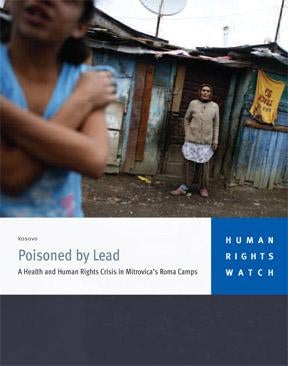
A Health and Human Rights Crisis in Mitrovica’s Roma Camps
This 68-page report tells the story of a decade of failure by the UN and others to provide adequate housing and medical treatment for the Roma, and the devastating consequences for the health of those in the camps.
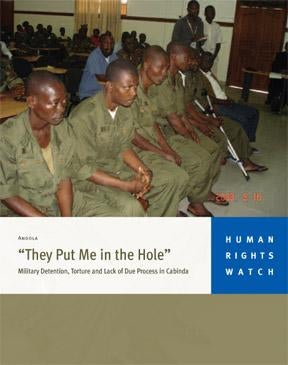
Military Detention, Torture, and Lack of Due Process in Cabinda
In this 27-page report, Human Rights Watch shows a disturbing pattern of human rights violations by the Angolan armed forces and state intelligence officials. Between September 2007 and March 2009, at least 38 people were arbitrarily arrested by the military in Cabinda and accused of state security crimes.
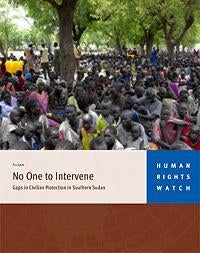
This 15-page report highlights a recent surge in ethnic violence and the failure of the government of Southern Sudan and the United Nations Mission in Sudan (UNMIS) to protect civilians.
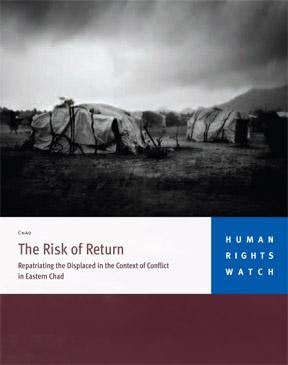
Repatriating the Displaced in the Context of Conflict in Eastern Chad
This 47-page report documents abuses against people who have been returning to their villages from camps for displaced persons in southeastern Chad. The Chadian government should work to improve security in rural areas where many of the displaced are returning.
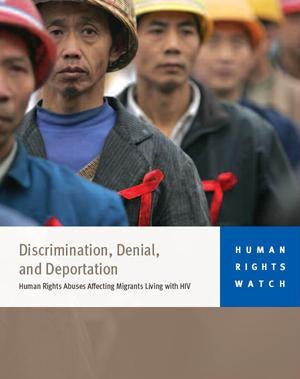
Human Rights Abuses Affecting Migrants Living with HIV
This 22-page report describes how discrimination and human rights abuses faced by migrant populations result in increased vulnerability to HIV infection and barriers to care and treatment.
Continuing State Curbs on Independent NGOs and Activists in Russia
This 68-page report describes how current rules allow the state to interfere arbitrarily with the work of nongovernmental organizations (NGOs), and documents the corrosive impact of these rules and other government measures on independent organizations and activists in Russia. The report states that increased pressure on these groups has been only one part of growing authoritarianism in Russia.
The Prison Litigation Reform Act in the United States
This 46-page report addresses a law passed by Congress in 1996 that singles out lawsuits brought by prisoners for a host of burdens and restrictions that apply to no one else.