Reports

The Persecution of Environmentalists and Indigenous Leaders in Indonesia

The 70-page report, “Grabbed Land, Silenced Justice: The Persecution of Environmentalists and Indigenous Leaders in Indonesia,” documents how Indonesian police have responded to complaints filed by company officials or politicians by silencing Indigenous villagers who demand their customary land rights and the activists who defend them. The authorities have targeted environmental and Indigenous community defenders using the criminal code and other laws to bring charges ranging from defamation to “spreading communism” to silence protest over environmental harm.

An Indigenous Dayak villager shows pictures of her rubber plantation destroyed by an industrial logging company
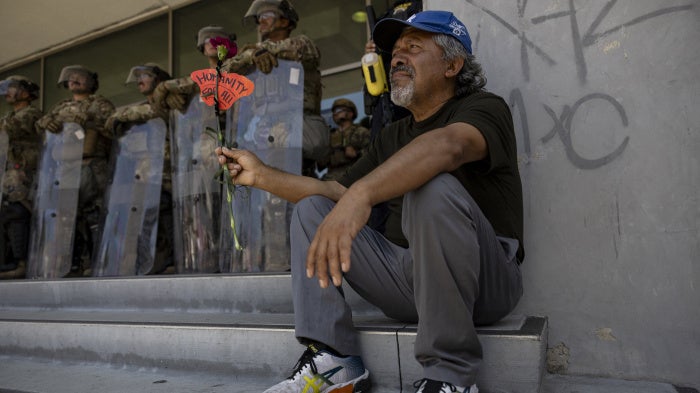
A man holds a flower and the message "Humanity for All" in front of a line of soldiers

Search

  • December 16, 2024

    Zero Accountability Six Years After “Zero Tolerance”

    The 135-page report, “‘We Need to Take Away Children’: Zero Accountability Six Years After ‘Zero Tolerance,’” finds that the government refused, in many cases for days or weeks, to disclose the circumstances and whereabouts of separated children to their parents, which meets the definition of an enforced disappearance. Forcible family separations may also have constituted torture, the intentional infliction of severe suffering for an improper purpose by a state agent. Even a single instance of enforced disappearance or torture is a crime under international law.

    Report cover in English
  • December 9, 2024

    Labor Abuses & Sexual Exploitation in Colombian Webcam Studios

    The 175-page report, “‘I Learned How to Say No’: Labor Abuses & Sexual Exploitation in Colombian Webcam Studios,” exposes working conditions in webcam studios in Bogotá, Cali, Medellín, and Palmira, where models record content that is broadcasted by adult platforms and streamed around the world. Webcamming is a global industry in which studies estimate that platforms keep between 50 and 65 percent of what viewers pay. People interviewed said that studios retain as much as 70 percent of what is paid out by the platform, reducing the pay of workers. Adult webcam platforms based in the United States and Europe should immediately address labor abuses and sexual exploitation in Colombian webcam studios.

    Report cover in English
  • December 5, 2024

    Flawed Anti-Collaboration Legislation in Ukraine

    The 48-page report, “‘All She Did Was Help People’: Flawed Anti-Collaboration Legislation in Ukraine,” analyzes Ukraine’s anti-collaboration laws’ impact on rights and their broader consequences on Ukrainian communities during and after Russia’s extremely abusive occupation. While these laws were adopted to deter collaboration with occupying forces, the practical impacts of some aspects of the legislation go much further, Human Rights Watch found. Some provisions do not distinguish between collaboration to undermine state security and situations in which Ukrainian civilians hold public service positions under the occupying authorities so that civilian life can continue or carry out other activities for the benefit of civilians.

    English report cover
  • December 4, 2024

    Saudi Arabia’s ‘Giga-Projects’ Built on Widespread Labor Abuses

    The 79-page report, “‘Die First, and I’ll Pay You Later’: Saudi Arabia’s ‘Giga-Projects’ Built on Widespread Labor Abuses,” documents widespread abuses against migrant workers, some of which may amount to situations of forced labor, including exorbitant recruitment fees, rampant wage theft, inadequate protections from extreme heat, restrictions on transferring jobs, and uninvestigated worker deaths. Saudi authorities have systematically failed to prevent or remedy these abuses, including at high-profile projects financed by its sovereign wealth fund, the Public Investment Fund (PIF).

    Report cover in English
  • December 3, 2024

    Legal Capacity Rights Violations Against People with Disabilities in Canada’s Immigration Detention System

    The 40-page report, “‘It Felt Like Everything in Life Stopped’: Legal Capacity Rights Violations Against People with Disabilities in Canada’s Immigration Detention System,” documents how the country’s use of designated representatives undermines the rights of immigration detainees with disabilities to make their own decisions, often with life-altering or even life-endangering consequences. Designated representatives are appointed by the Immigration and Refugee Board when it deems that a detained person is “unable to appreciate the nature of the proceedings.”

    Report cover in English
  • November 25, 2024

    Kenya’s Suppression of the 2023 Anti-Government Protests

    The 77-page report, “Unchecked Injustice: Kenya’s Suppression of the 2023 Protests,” documents that the police, under President William Ruto’s administration, committed grave rights abuses in response to largely peaceful opposition-led nationwide protests. The demonstrations were triggered by the high cost of living and alleged electoral malpractices following the August 2022 general elections.

    English report cover
  • November 20, 2024

    Rights Abuses Linked to Saudi Arabia’s Public Investment Fund and Its Chairman, Mohammed bin Salman

    The 95-page report, “The Man Who Bought The World: Rights Abuses Linked to Saudi Arabia’s Public Investment Fund and Its Chairman, Mohammad bin Salman,” found that Saudi Arabia’s vast fossil fuel-derived state wealth is effectively controlled by one person, Crown Prince Mohammed bin Salman. Human Rights Watch found that the crown prince wields this enormous economic power in a largely arbitrary and highly personalized manner rather than for the Saudi people’s benefit and that the PIF is used to whitewash the Saudi government’s abuses.

    Report cover in English
  • November 14, 2024

    Israel’s Forced Displacement of Palestinians in Gaza

    The 154-page report, “‘Hopeless, Starving, and Besieged’: Israel’s Forced Displacement of Palestinians in Gaza,” examines how Israeli authorities’ conduct has led to the displacement of over 90 percent of the population of Gaza—1.9 million Palestinians—and the widespread destruction of much of Gaza over the last 13 months. Israeli forces have carried out deliberate, controlled demolitions of homes and civilian infrastructure, including in areas where they have apparent aims of creating “buffer zones” and security “corridors,” from which Palestinians are likely to be permanently displaced. Contrary to claims by Israeli officials, their actions do not comply with the laws of war.

    video content
    Report cover in English
  • November 11, 2024

    Turkmen Authorities’ Denial of Passports to Turkmen Citizens in Türkiye

    The 70-page report, “‘It’s Like I live in a Cage’: Turkmen Authorities’ Denial of Passports to Turkmen Citizens in Türkiye,” describes Turkmenistan’s refusal to renew passports outside of the country as part of the government’s broader effort to severely restrict freedom of movement within its wider system of repression. The groups documented the hardships and interference with rights that Turkmen migrants in Türkiye experience in their daily lives when they become undocumented as a result of Turkmen authorities refusing to provide passport renewal services. Those who openly criticize or in the past have criticized the Turkmen government are at serious risk of deportation to Turkmenistan, where they face extreme repression, arbitrary arrest and imprisonment, and risk of torture.

    English report cover
  • November 7, 2024

    The Ripple Effects of Incendiary Weapons and Increasing Calls for International Action

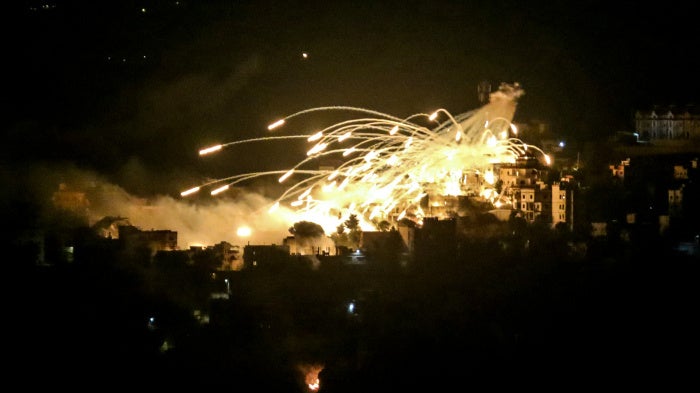
    The 28-page report, “Beyond Burning: The Ripple Effects of Incendiary Weapons and Increasing Calls for International Action,” examines recent use of incendiary weapons in armed conflicts and their wide-ranging impacts. Human Rights Watch presents case studies of the Israeli military’s use of white phosphorous—a weapon with incendiary effects—in the Gaza Strip and Lebanon since October 2023, and the use in Ukraine and Syria of other types of incendiary weapons. Human Rights Watch also details the growing interest of many countries in addressing the multiple humanitarian concerns raised by incendiary weapons.

    Report cover in English
  • October 16, 2024

    Doula Care for Justice in Maternal Health in Florida

    The 62-page report, “Witness, Ally, Advocate, Climate Worker: Doula Care for Justice in Maternal Health in Florida,” found that the state provides inadequate financial and programmatic support for doula care, including under state-based Medicaid plans on which almost half of all women who are pregnant or give birth in the state rely. Doulas are non-clinical health workers who provide expert support during birth and provide individualized information about health care options, rights, and resources. Academic and US government research suggests that doula services can help improve the availability, accessibility, and quality of health care services for pregnant people. One multi-country analysis of evidence found continuous labor support by doulas may reduce rates of cesarean delivery and improve Apgar scores (indications of good health in newborns) and women’s ratings of the experience.

    English report cover
  • October 15, 2024

    The Need for Accountability for Torture in Rwanda

    The 22-page report, “‘They Threw Me in the Water and Beat Me’: The Need for Accountability for Torture in Rwanda,” documents torture and ill-treatment by prison officials and detainees in Nyarugenge prison in the capital, Kigali; in Rubavu prison, western Rwanda; and in an unofficial detention facility in Kigali known as Kwa Gacinya. Human Rights Watch found that judges ignored complaints from current and former detainees about the unlawful detention and ill-treatment, creating an environment of near-total impunity.

    English report cover
  • October 10, 2024

    Abuses against Afghan Policewomen, Past and Present

    The 26-page report, “Double Betrayal: Abuses against Afghan Policewomen Past and Present,” documents threats from Taliban authorities since August 2021 that have forced many former policewomen to go into hiding out of fear of being identified.

    report cover in English