War Crimes and Crimes Against Humanity in Burkina Faso by All Sides
The 316-page report, “‘None Can Run Away’: War Crimes and Crimes Against Humanity in Burkina Faso by All Sides,” documents the devastating impact on civilians of an armed conflict that has received scant global attention. Researchers documented 57 incidents involving Burkinabè military forces and allied militias known as the Volunteers for the Defense of the Homeland (VDPs), and the Islamist armed group Jama’at Nusrat al‑Islam wa al‑Muslimin (JNIM) since the current military junta seized power in September 2022. Human Rights Watch issued a question and answer document to explain the legal issues involved.
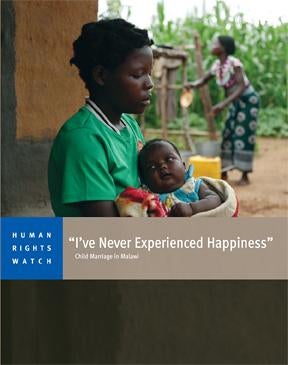
This 69-page report documents how child marriage prevents girls and women from participating in all spheres of life. The practice violates the rights to health, to education, to be free from physical, mental, and sexual violence, and to marry only when able and willing to give free and full consent.
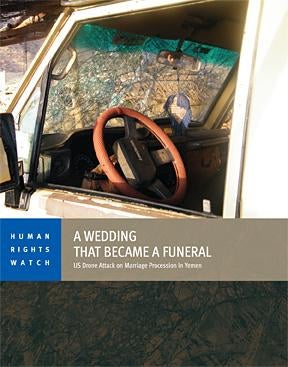
This 28-page report calls on the US government to investigate the strike, publish its findings, and act in the event of wrongdoing. The December 12 attack killed 12 men and wounded at least 15 other people, including the bride.
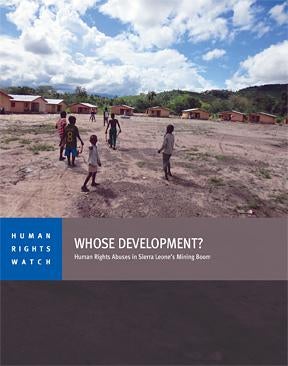
This 96-page report documents how the government and London-based African Minerals Limited forcibly relocated hundreds of families from verdant slopes to a flat, arid area in Tonkolili District. As a result, residents lost their ability to cultivate crops and engage in income generating activities that once sustained them.
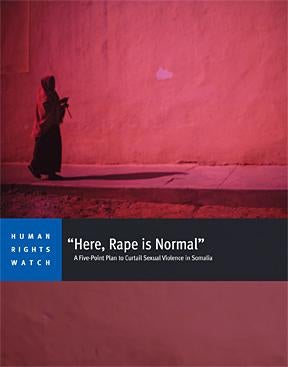
A Five-Point Plan to Curtail Sexual Violence in Somalia
This 72-page report provides a roadmap for the government and its international donors to establish a comprehensive strategy to reduce rape, provide survivors with immediate and urgent assistance, and develop a long-term approach to end these abuses.
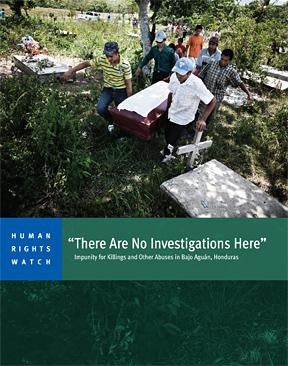
Impunity for Killings and Other Abuses in Bajo Aguán, Honduras
This 72-page repor examines 29 homicides and two abductions in Bajo Aguán since 2009, as well as human rights violations by soldiers and police. Human Rights Watch found that prosecutors and police consistently failed to carry out prompt and thorough investigations into these crimes, a failure that Honduran public prosecutors, police, and military officials acknowledged in interviews.
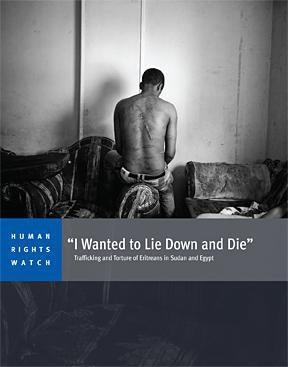
Trafficking and Torture of Eritreans in Sudan and Egypt
This 79-page report documents how, since 2010, Egyptian traffickers have tortured Eritreans for ransom in the Sinai Peninsula, including through rape, burning, and mutilation.
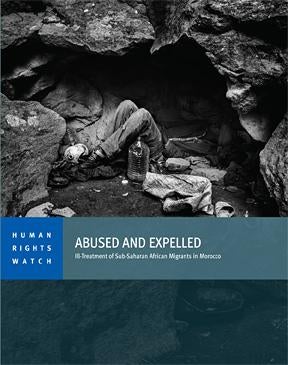
Ill-Treatment of Sub-Saharan African Migrants in Morocco
This 79-page report found that beatings and other abuses occurred as Moroccan security forces took custody of Sub-Saharan migrants who had tried unsuccessfully to reach the Spanish enclave of Melilla, or—prior to September 2013—as they were rounding up migrants without any semblance of due process to expel them to Algeria.
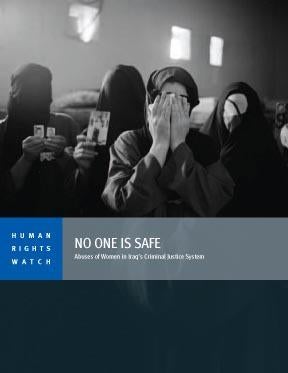
The Abuse of Women in Iraq’s Criminal Justice System
This 105-page report documents abuses of women in detention based on interviews with women and girls, Sunni and Shia, in prison; their families and lawyers; and medical service providers in the prisons at a time of escalating violence involving security forces and armed groups.
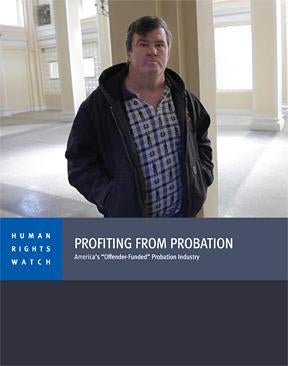
This 72-page report describes how more than 1,000 courts in several US states delegate tremendous coercive power to companies that are often subject to little meaningful oversight or regulation. In many cases, the only reason people are put on probation is because they need time to pay off fines and court costs linked to minor crimes.
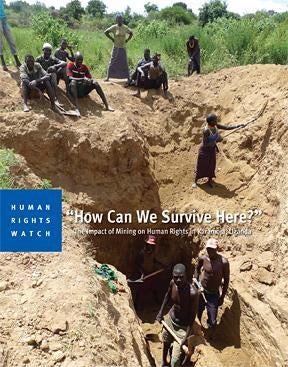
The Impact of Mining on Human Rights in Karamoja, Uganda
This 140-page report examines the conduct of three companies in different stages of the mining process: East African Mining, Jan Mangal, and DAO Uganda. Human Rights Watch found that companies have explored for minerals and actively mined on lands owned and occupied by Karamoja’s indigenous people.
Syria’s Unlawful Neighborhood Demolitions in 2012-2013
The 38-page report documents seven cases of large-scale demolitions with explosives and bulldozers that violated the laws of war. The demolitions either served no necessary military purpose and appeared to intentionally punish the civilian population or caused disproportionate harm to civilians, Human Rights Watch found.
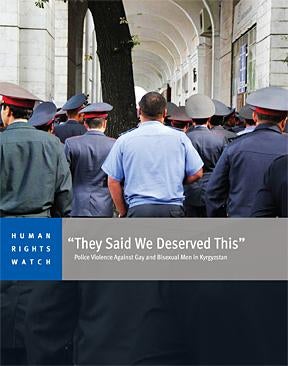
Police Violence Against Gay and Bisexual Men in Kyrgyzstan
This 65-page report found that gay and bisexual men have been subjected to a range of abuses at the hands of police in Kyrgyzstan, including physical, sexual, and psychological violence; arbitrary detention; and extortion under the threat of violence or of exposing victims’ sexual orientation to friends and family.
In this 69-page report, Human Rights Watch calls on Libya to press forward with legislative reforms, making abolishing the death penalty for more than 30 crimes the top priority. The government should place an immediate moratorium on death sentences until the laws are revised, particularly in light of concerns about the fairness of the judicial process.
World Report 2014 is Human Rights Watch’s 24th annual review of human rights practices around the globe. It summarizes key human rights issues in more than 90 countries and territories worldwide, drawing on events from the end of 2012 through November 2013.
Thousands of journalists will attend the 2014 Winter Olympic Games in Sochi, Russia to report on the Games’ athletic events and ceremonies to millions of sports fans across the globe. This guide provides an overview of the context and risks for journalists in covering the Olympics and the Paralympics in Sochi.