War Crimes and Crimes Against Humanity in Burkina Faso by All Sides
The 316-page report, “‘None Can Run Away’: War Crimes and Crimes Against Humanity in Burkina Faso by All Sides,” documents the devastating impact on civilians of an armed conflict that has received scant global attention. Researchers documented 57 incidents involving Burkinabè military forces and allied militias known as the Volunteers for the Defense of the Homeland (VDPs), and the Islamist armed group Jama’at Nusrat al‑Islam wa al‑Muslimin (JNIM) since the current military junta seized power in September 2022. Human Rights Watch issued a question and answer document to explain the legal issues involved.
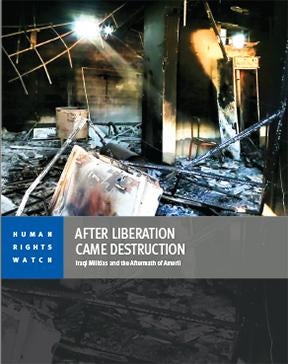
This <a href="http://features.hrw.org/features/HRW_2015_reports/Iraq_Amerli/index.htm… report</a> documents, through field visits, analysis of satellite imagery, interviews with victims and witnesses, and review of photo and video evidence, that militias looted property of Sunni civilians who had fled fighting, burned their homes and businesses, and destroyed at least two entire villages.
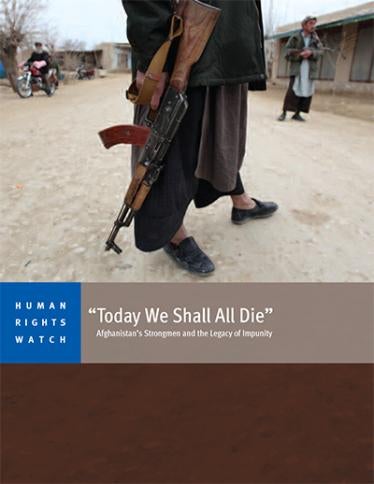
Afghanistan’s Strongmen and the Legacy of Impunity
This 96-page report profiles eight “strongmen” linked to police, intelligence, and militia forces responsible for serious abuses in recent years. The report documents emblematic incidents that reflect longstanding patterns of violence for which victims obtained no official redress.
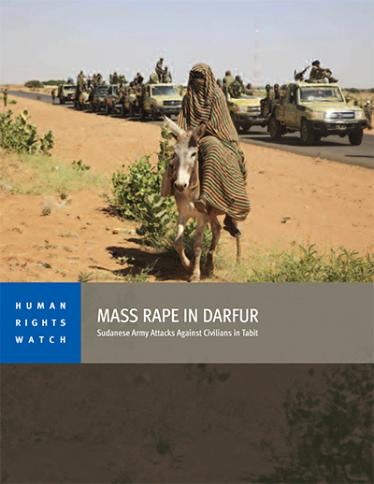
The 48-page report documents Sudanese army attacks in which at least 221 women and girls were raped in Tabit over 36 hours beginning on October 30, 2014. The mass rapes would amount to crimes against humanity if found to be part of a widespread or systematic attack on the civilian population.
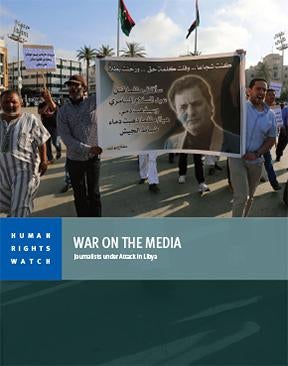
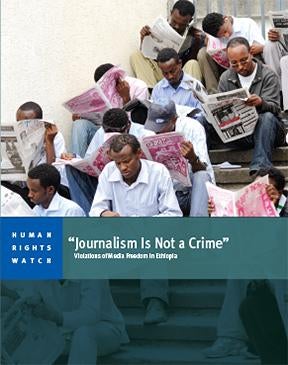
This 54-page report says that authorities failed to hold anyone accountable for attacks on journalists and media outlets since 2012, most of which were committed by non-state actors. Meanwhile, courts are prosecuting people, including journalists, for speech-related offenses, particularly for defaming public officials.
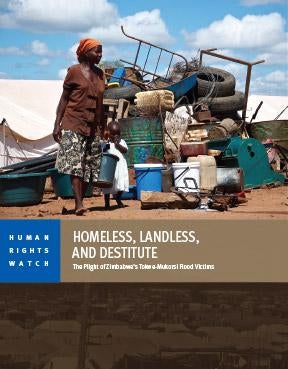
The Plight of Zimbabwe’s Tokwe-Mukorsi Flood Victims
This 57-page report documents human rights violations suffered by people forced to suddenly evacuate their homes due to massive flooding in the Tokwe-Mukorsi dam basin in February 2014, which some experts say could have been avoided.
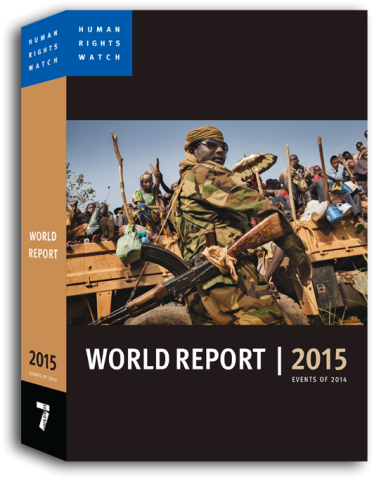
Human Rights Watch's 25th annual World Report summarizes human rights conditions in more than 90 countries and territories worldwide in 2014. It reflects extensive investigative work that Human Rights Watch staff conducted during the year, often in close partnership with domestic human rights activists.
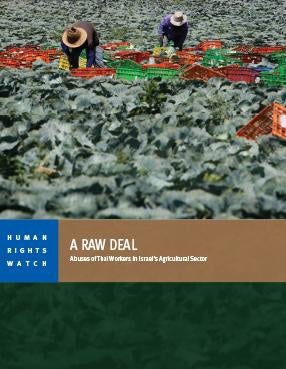
Abuse of Thai Workers in Israel’s Agricultural Sector
This 48-page report documents low pay, excessive working hours, hazardous working conditions, and poor housing for some of Israel’s Thai agricultural workers – and employer retribution if they try to protest by going on strike.
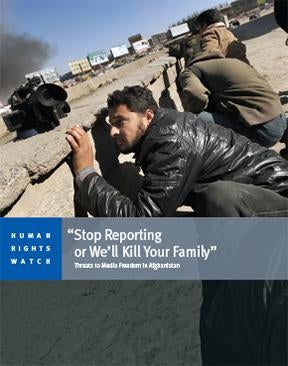
This 48-page report documents harassment, intimidation, and attacks on journalists and the Afghan government’s failure to investigate and prosecute those responsible. The failure to protect journalistic freedom has emboldened those determined to suppress criticism of the government, the security forces, and other powerful entities in Afghan society.
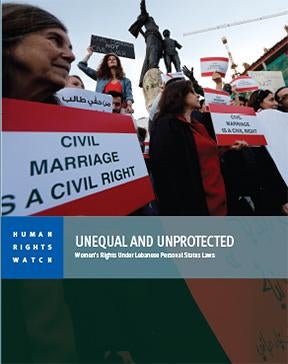
Women’s Rights under Lebanese Personal Status Laws
This 114-page report found that, across all religions, personal status laws erect greater barriers for women than men who wish to terminate unhappy or abusive marriages, initiate divorce proceedings, ensure their rights concerning their children after divorce, or secure pecuniary rights from a former spouse.
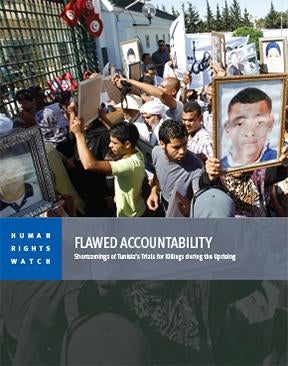
Shortcomings of Tunisia’s Trials for Killings during the Uprising
This 52-page report analyzes Tunisia’s efforts to bring to justice those responsible for the use of excessive force by police between December 17, 2010, and January 14, 2011, when Ben Ali relinquished power and fled Tunisia. During that period, 132 protesters were killed and hundreds more were injured.
The 67-page report chronicles Hun Sen’s career from being a Khmer Rouge commander in the 1970s to his present role as prime minister and head of the ruling Cambodian People’s Party (CPP). The report details the violence, repression, and corruption that have characterized his rule under successive governments since 1985.
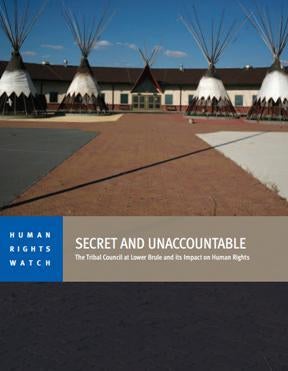
The Tribal Council at Lower Brule and its Impact on Human Rights
This 112-page report documents many of the problems with tribal governance at Lower Brule for the first time. It details how the Tribal Council has diverted millions of dollars in federal funds away from key social programs without explaining how those funds were spent.