The Persecution of Environmentalists and Indigenous Leaders in Indonesia
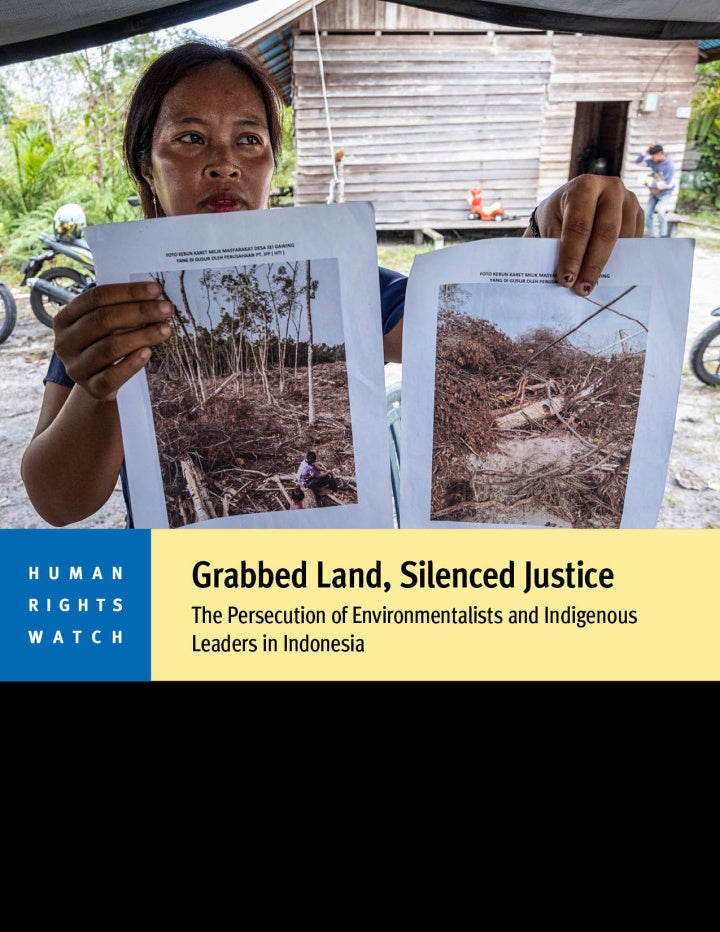
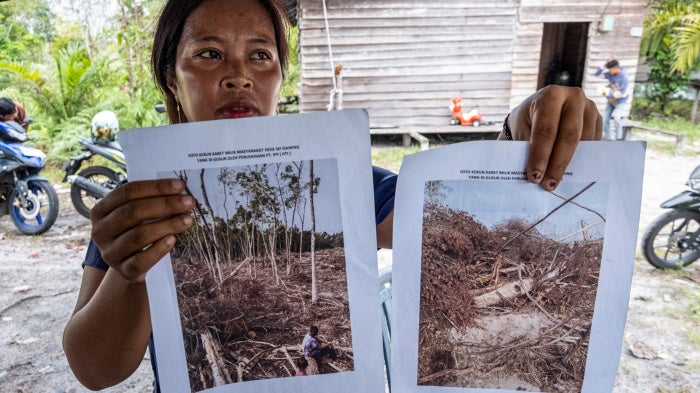
The 70-page report, “Grabbed Land, Silenced Justice: The Persecution of Environmentalists and Indigenous Leaders in Indonesia,” documents how Indonesian police have responded to complaints filed by company officials or politicians by silencing Indigenous villagers who demand their customary land rights and the activists who defend them. The authorities have targeted environmental and Indigenous community defenders using the criminal code and other laws to bring charges ranging from defamation to “spreading communism” to silence protest over environmental harm.
Police Beatings, Rape, and Torture of Children in Papua New Guinea
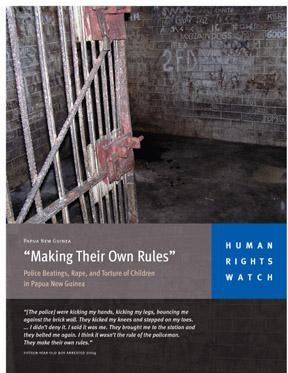
This report documents boys and girls being shot, knifed, kicked and beaten by gun butts, iron bars, wooden batons, fists, rubber hoses and chairs. Some are forced to chew and swallow condoms. Eyewitnesses describe gang rapes in police stations, vehicles, barracks and other locations. Children are also routinely detained with adults in sordid police lockups and denied medical care.
This document is based on dozens of interviews with women candidates and election workers during the past month. Human Rights Watch details the challenges confronting Afghanistan’s 582 women candidates, who make up approximately 10 percent of the total 5,800 candidates.
In recent years, Azerbaijan has received increasing attention from Europe and the United States, accompanied by increased aid allocations and defense and other cooperation. The Azerbaijani government recognizes and seeks the benefits of developing closer relations with Europe and the United States. This suggests that the relationship with the E.U.
Since the Rose Revolution, the Georgian government has seemed ready to reform its laws, policies, and practices affecting human rights to bring them into line with European standards. Although the government is displaying the political will for such reforms, past experience suggests that the process will not be easy.
The Bush administration appears poised to erase many of the positive steps the United States has taken in the past toward banning antipersonnel mines. The United States will decide in December 2005 whether it will begin the production of a new antipersonnel mine called Spider. According to a media report, which the Pentagon has yet to confirm or deny, in May 2005 the U.S.
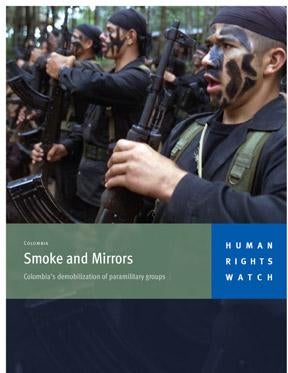
Drawing on interviews with numerous demobilized paramilitaries, the report is the first to document the Colombian government’s mishandling of the recent paramilitary demobilizations.
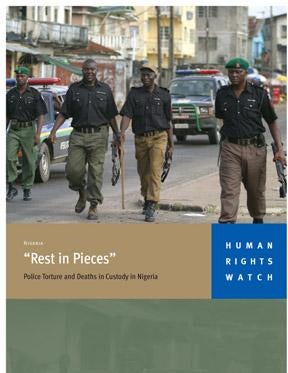
This 76-page report is based on over 50 interviews with victims and witnesses of torture and is the first comprehensive study on the subject. The report documents brutal acts of torture and ill-treatment in police custody, dozens of which resulted in death. Across Nigeria, both senior and lower-level police officers routinely commit or order the torture and mistreatment of criminal suspects.
No weapons used by U.S.-led coalition forces in Iraq in 2003 caused more civilian casualties than cluster munitions, large weapons that contain dozens or hundreds of smaller submunitions. This briefing paper critically examines the status and quality of current U.S.
In the 15 previous years of the Hellman/Hammett grant program, more than 500 writers received grants totaling more than $2.5 million. The Hellman/Hammett program also makes small emergency grants throughout the year to writers who have an urgent need to leave their country or who need immediate medical treatment after serving prison terms or enduring torture.
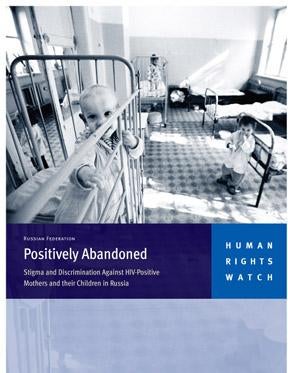
Stigma and Discrimination against HIV-Positive Mothers and their Children in Russia
As Russia’s HIV/AIDS epidemic spreads, thousands of HIV-positive mothers and their children face pervasive discrimination and abuse. This 41-page report focuses on the discrimination that these women face, as do their children, many of whom are abandoned to the care of the state.
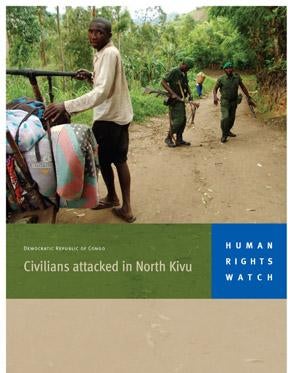
This 34-page report documents war crimes and other serious human rights abuses committed during fighting in December. The failure to integrate the former belligerent groups into one unified national army was a major cause of the conflict; another was heightened ethnic tensions in North Kivu. Some of the newly armed civilians participated in the human rights abuses.
Nearly fifteen years after the fall of Chad’s brutal Cold War dictator, Hissène Habré, dozens of his henchmen still hold key positions of power, including top state security jobs. Meanwhile, the thousands of victims of torture and killings under Habré’s rule have never received compensation or recognition from Chad’s current government.
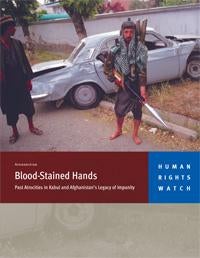
Past Atrocities in Kabul and Afghanistan’s Legacy of Impunity
This 133-page report is based on extensive research by Human Rights Watch over the last two years, including more than 150 interviews with witnesses, survivors, government officials, and combatants.