In the 1950s, a so-called “refrigerator mother” theory falsely blamed autism on emotionally cold mothers, fueling decades of parental guilt and discrimination. That stigmatizing theory denied children needed support and isolated families.
Earlier this week, US President Donald Trump and Health and Human Services Secretary Robert F. Kennedy Jr. repeated unfounded claims that vaccines or Tylenol cause autism. Along with myriad other concerns about the harm these statements could do, they also risk pulling policymakers’ focus from the rights-respecting policies children with autism need and deserve.
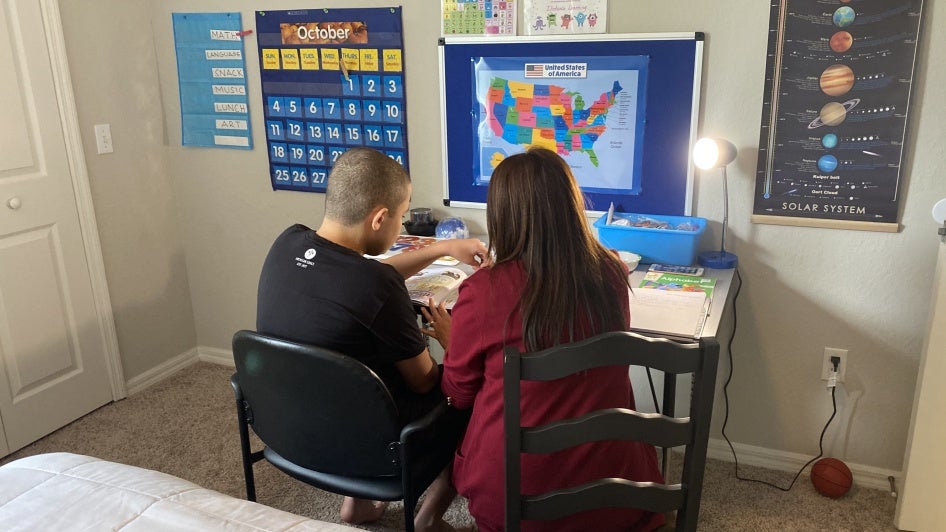
Take the case of Nico, a two-year-old boy of Mexican descent living in the US who was diagnosed with autism. For months, his delayed speech was dismissed, keeping his family from accessing the services he needed. Once identified, however, early intervention—particularly speech therapy—began supporting his communication and social skills, opening doors for his development.
Nico’s experience is not unique. Like many Latinx and Black families, his parents faced delayed recognition of his needs and struggled to find culturally appropriate services. His story reflects broader barriers that many families face across the United States.
Early intervention is vital for children with autism. Speech, occupational, and developmental therapies help them communicate, succeed in school, and engage in their communities. This support is essential to children’s rights to health, education, and inclusion, rights recognized under US disability law and international human rights standards.
Yet children with autism already face serious challenges in exercising these rights. In addition to delayed diagnoses, many experience limited culturally appropriate services and the heavy weight of stigma and discrimination. For example, Black children with autism often are not diagnosed until nearly three years aftertheir parents first raise concerns. Latinx and Black children with autism also have significantly less access to autism resources in many US regions compared to white children. Families are too often isolated or even blamed for their child’s condition. By reproducing unfounded ideas, US officials risk—just as in the 1950s—shifting responsibility onto parents’ behavior, creating more fear, isolation, and stigma.
Nico’s story shows what is possible when children receive timely services: removing barriers gives way to opportunities for equity and inclusion. Leaders should commit to ensuring that every child with autism has access to the support they need to thrive.