(Nairobi) – On December 9, 2016, Gambian President Yahya Jammeh announced that he had rejected the country’s presidential election results “in totality” and called for new elections when resources permitted it. He indicated that he was responding to updated results from Gambia’s Independent Electoral Commission (IEC) released on December 5 that showed a narrowing of opposition candidate Adama Barrow’s margin of victory from 9 percent to 3 percent in the December 1 vote.
On December 2, Alieu Momarr Njai, the chairman of the electoral commission, had announced that Barrow, who was representing a coalition of eight opposition parties, had won the election. Later on December 2, Jammeh, who has been in power since a 1994 coup, conceded defeat in a televised statement on Gambian state television and agreed to a peaceful transition. The Gambian constitution states that a candidate who wishes to challenge election results has 10 days to file a petition with the Supreme Court.
“We are deeply concerned by reports of belated objections to the Gambian election results raised by President Jammeh,” said Babatunde Olugboji, deputy program director at Human Rights Watch. “The international community, notably ECOWAS and the African Union, should loudly protest any unlawful attempt to subvert the will of the Gambian people.”
|
Statement
Gambia: President Rejects Election Results
Jammeh Had Conceded Defeat, Agreed to Peaceful Transition
Every piece on our website is resource intensive. If you donate whatever you can today, we will use it to continue investigating abuses and advocate for change in 100+ countries.
More Reading
-
October 12, 2026
Senegal: Brutal Crackdown Violates LGBT People’s Rights

-
October 12, 2026
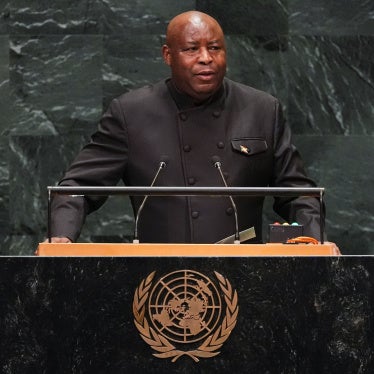
UN: Burundi Set to Win Human Rights Council Seat Despite Abuses
Reports
-
-
June 24, 2026
“I Live in Constant Peril”
Discrimination, Lack of Economic Autonomy and Violence Against Women in Cameroon
Most Viewed
-
September 8, 2016
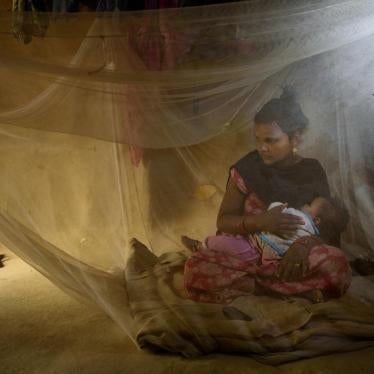
Nepal: Child Marriage Threatens Girls’ Futures
-
June 14, 2018
Africa: Pregnant Girls, Young Mothers Barred from School
-
May 17, 2021
“Years Don’t Wait for Them”

-
October 12, 2026
Senegal: Brutal Crackdown Violates LGBT People’s Rights
-
October 18, 2023
Israel/Palestine: Videos of Hamas-Led Attacks Verified

