Systemic Age and Gender Discrimination Against Women at Work in South Korea
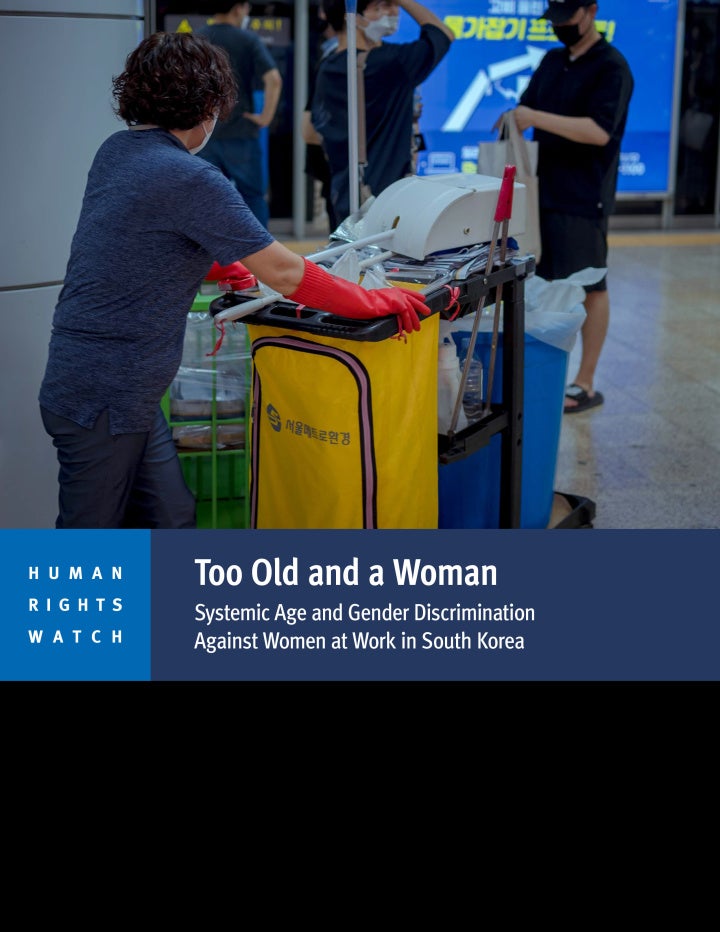
The 92-page report, “Too Old and a Woman: Systemic Age and Gender Discrimination Against Women at Work in South Korea,” documents that social attitudes toward education, unfair treatment in hiring, disrupted careers due to family responsibilities, limited promotion opportunities, glass ceilings, and sexual harassment create a disadvantage for South Korean women throughout their working lives. As women get older, their work opportunities narrow to a handful of low-paid, insecure jobs, and the gender pay gap increases. By the time they are eligible for pensions, women face a significant gender pension gap.
Harm to Women from Bangladesh’s Discriminatory Laws on Marriage, Separation, and Divorce
This 109-page report documents how the country’s discriminatory and archaic personal laws impoverish many women at separation or divorce, and trap some women in violent marriages because they fear destitution. Current laws deprive women of an equal right to marital property.
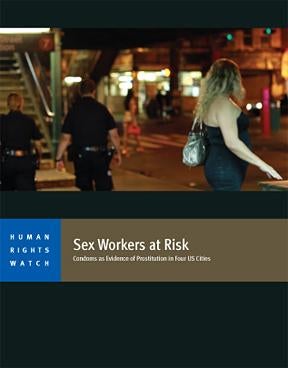
Condoms as Evidence of Prostitution in Four US Cities
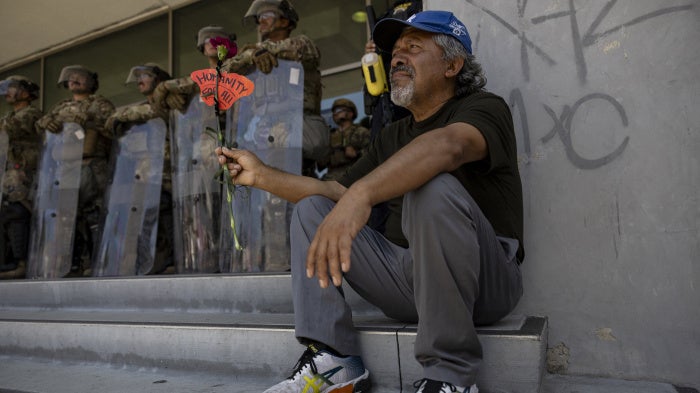
This 112-page report documented in each city how police and prosecutors use condoms to support prostitution charges. The practice makes sex workers and transgender women reluctant to carry condoms for fear of arrest, causes them to engage in sex without protection, and puts them at risk of HIV and other sexually transmitted diseases.
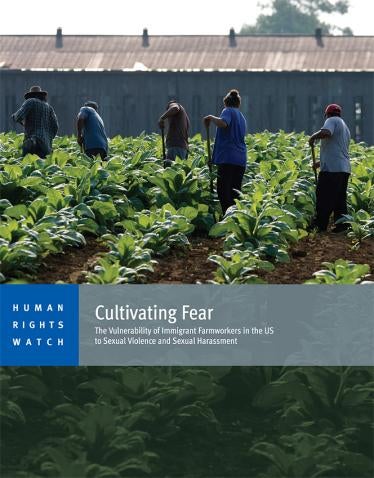
The Vulnerability of Immigrant Farmworkers in the US to Sexual Violence and Sexual Harassment
This 95-page report describes rape, stalking, unwanted touching, exhibitionism, or vulgar and obscene language by supervisors, employers, and others in positions of power. Most farmworkers interviewed said they had experienced such treatment or knew others who had. And most said they had not reported these or other workplace abuses, fearing reprisals.
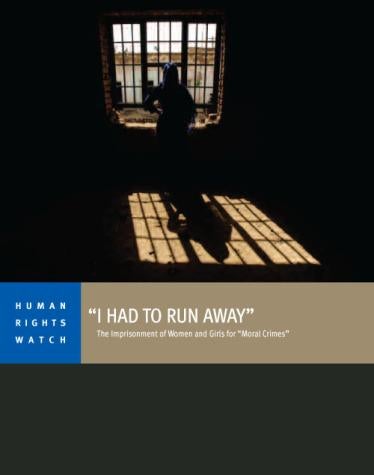
The Imprisonment of Women and Girls for “Moral Crimes” in Afghanistan
<p>This 120-page report is based on 58 interviews conducted in three prisons and three juvenile detention facilities with women and girls accused of “moral crimes.” Almost all girls in juvenile detention in Afghanistan had been arrested for “moral crimes,” while about half of women in Afghan prisons were arrested on these charges.</p>
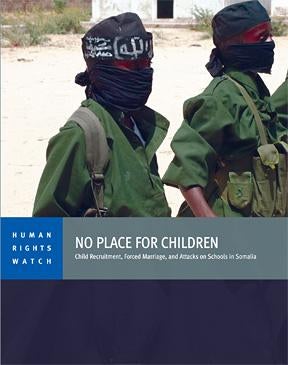
Child Recruitment, Forced Marriage, and Attacks on Schools in Somalia
This 104-page report details unlawful recruitment and other laws-of-war violations against children by all parties to the conflict in Somalia since 2010. The report is based on over 164 interviews with Somali children, including 21 who had escaped from al-Shabaab forces, as well as parents and teachers who had fled to Kenya.
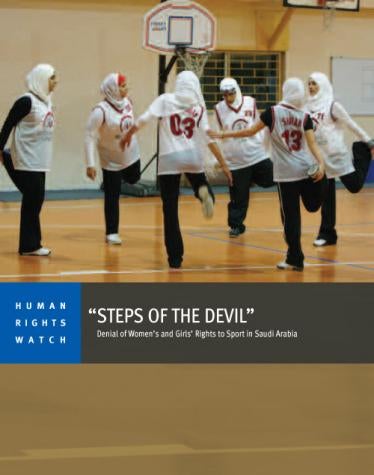
Denial of Women’s and Girls’ Rights to Sport in Saudi Arabia
<p>This report documents discrimination by Saudi Arabia’s Ministry of Education in denying girls physical education in state schools, as well as discriminatory practices by the General Presidency for Youth Welfare, a youth and sports ministry, in licensing women’s gyms and supporting only all-male sports clubs.</p>
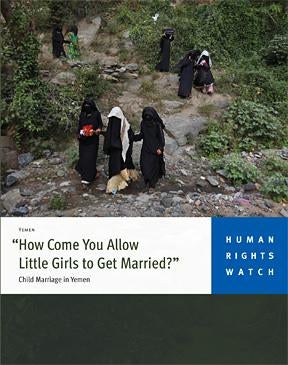
This 54-page report documents the lifelong damage to girls who are forced to marry young. Yemeni girls and women told Human Rights Watch about being forced into child marriages by their families, and then having no control over whether and when to bear children and other important aspects of their lives.
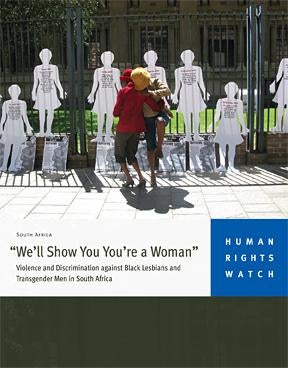
Violence and Discrimination against Black Lesbians and Transgender Men in South Africa
This 93-page report is based on more than 120 interviews conducted in six provinces. Human Rights Watch found that lesbians and transgender men face extensive discrimination and violence in their daily lives, both from private individuals and government officials.
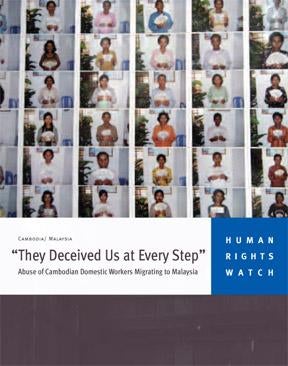
Abuse of Cambodian Domestic Workers Migrating to Malaysia
This report documents Cambodian domestic workers’ experiences during recruitment, work abroad, and upon their return home. It is based on 80 interviews with migrant domestic workers, their families, government officials, nongovernmental organizations, and recruitment agents.
How Jordanian Laws, Officials, Employers, and Recruiters Fail Abused Migrant Domestic Workers
This 111-page report documents abuses against domestic workers and the failure of Jordanian officials to hold employers and the agents who recruited the workers accountable.
Failure to Protect Women’s and Girls’ Right to Health and Security in Post-Earthquake Haiti
This documents the lack of access to reproductive and maternal care in post-earthquake Haiti, even with unprecedented availability of free healthcare services. The report also describes how hunger has led women to trade sex for food and how poor camp conditions exacerbate the impact of sexual violence because of difficulties accessing post-rape care.
Accountability for Maternal Health Care in South Africa
This report documents maternity care failures that include abuse of maternity patients by health workers and substandard care in Eastern Cape Province, putting women and their newborns at high risk of death or injury. It examines shortcomings in the tools used by health authorities to identify and correct health system failures that contribute to poor maternal health.
This 63-page report describes how Kuwait, one of the world’s richest countries, forces the Bidun to live under the radar of normal society, vulnerable and without protection. Many live in poverty.
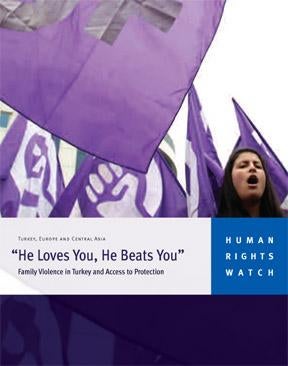
Family Violence in Turkey and Access to Protection
This report documents brutal and long-lasting violence against women and girls by husbands, partners, and family members and the survivors’ struggle to seek protection. Turkey has strong protection laws, setting out requirements for shelters for abused women and protection orders.