US Expulsions of Third-Country Nationals to Countries in Africa
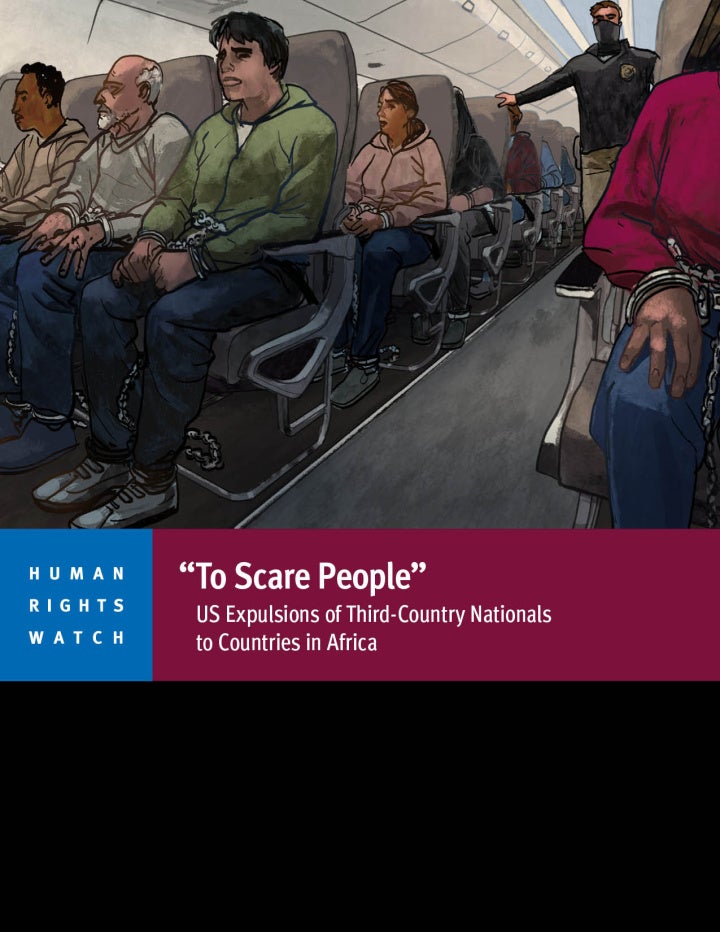
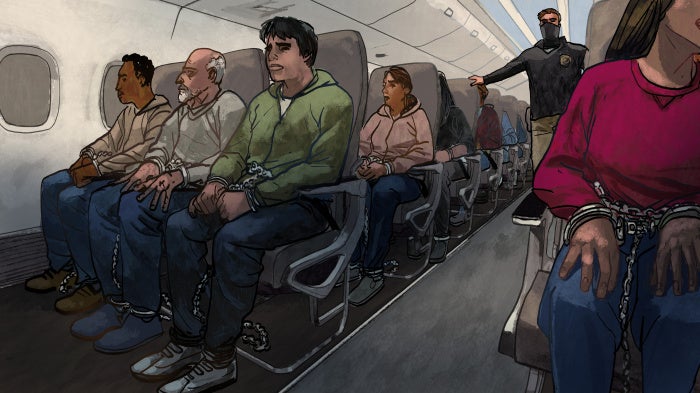
The 125-page report, “‘To Scare People’: US Expulsions of Third-Country Nationals to Countries in Africa,” documents that US authorities denied the more than 500 people transferred to third countries a meaningful chance to contest their removals or to articulate their fears of being removed to these countries. Some countries arbitrarily detained people they had accepted, and some have sent people onward to the risk of persecution or torture in their home countries, violating the international law principle of nonrefoulement.
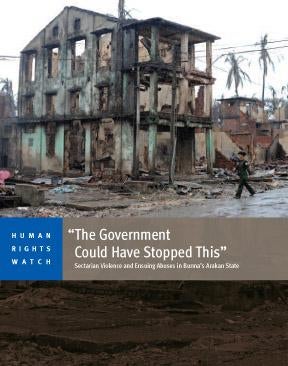
Sectarian Violence and Ensuing Abuses in Burma’s Arakan State
This report describes how the Burmese authorities failed to take adequate measures to stem rising tensions and the outbreak of sectarian violence in Arakan State.
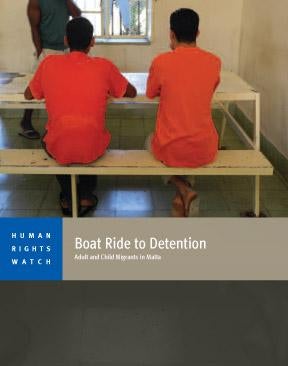
This report details treatment of migrants, typically from sub-Saharan Africa, who arrive in Malta after treacherous boat journeys across the Mediterranean, in unseaworthy boats, without enough food, water, or fuel. Upon arrival in Malta, virtually all irregular migrants are detained – and the conditions in detention can exacerbate the trauma of the journey.
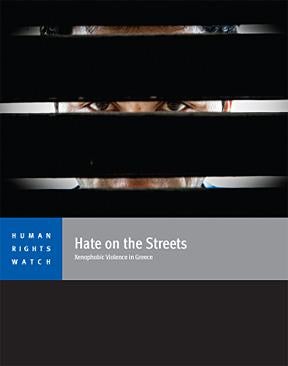
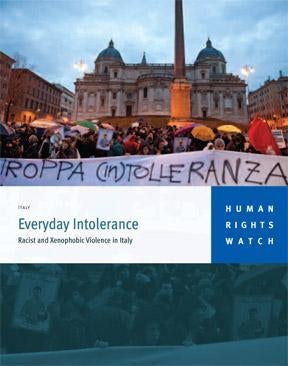
The 99-page report documents the failure of the police and the judiciary to prevent and punish rising attacks on migrants. Despite clear patterns to the violence and evidence that it is increasing, the police have failed to respond effectively to protect victims and hold perpetrators to account, Human Rights Watch found.
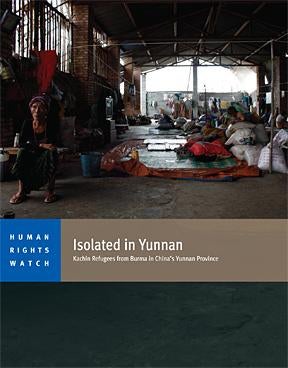
Kachin Refugees from Burma in China’s Yunnan Province
This 71-page report describes how at least 7,000 to 10,000 ethnic Kachin refugees have fled war and abuses in Burma since June 2011, seeking refuge in southwestern China. The report is based on more than 100 interviews with refugees, displaced persons in Burma, victims of abuses, relief workers, and others.
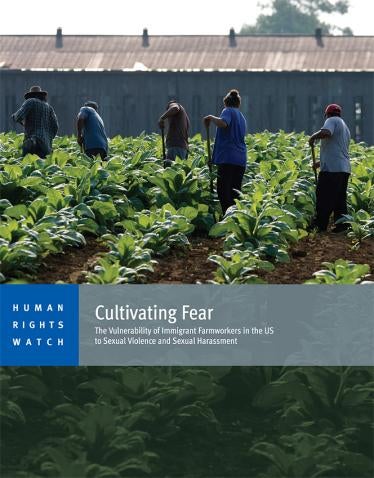
The Vulnerability of Immigrant Farmworkers in the US to Sexual Violence and Sexual Harassment
This 95-page report describes rape, stalking, unwanted touching, exhibitionism, or vulgar and obscene language by supervisors, employers, and others in positions of power. Most farmworkers interviewed said they had experienced such treatment or knew others who had. And most said they had not reported these or other workplace abuses, fearing reprisals.
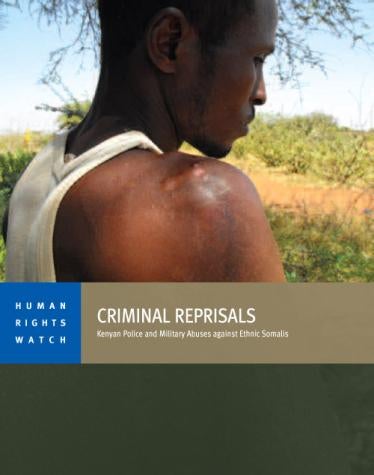
Kenyan Police and Military Abuses against Ethnic Somalis
This report provides detailed documentation of human rights abuses by the Kenya Defence Forces and the Kenyan police in apparent response to a series of grenade and improvised explosive device (IED) attacks that targeted both the security forces and civilians in North Eastern province.
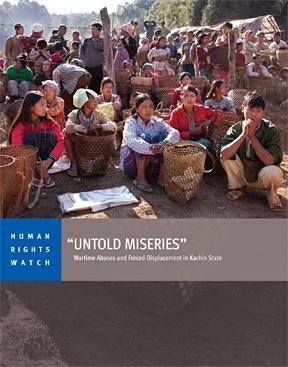
Wartime Abuses and Forced Displacement in Burma’s Kachin State
This 83-page report describes how the Burmese army has attacked Kachin villages, razed homes, pillaged properties, and forced the displacement of tens of thousands of people. Soldiers have threatened and tortured civilians during interrogations and raped women. The army has also used antipersonnel mines and conscripted forced laborers, including children as young as 14, on the front lines.
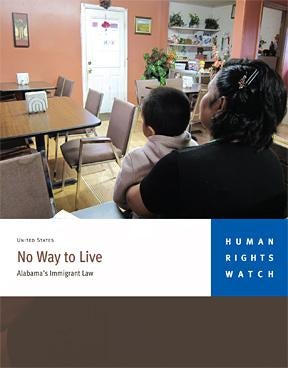
This 52-page report documents the effect of the Beason-Hammon Alabama Taxpayer Citizen and Protection Act, commonly known as HB 56, on unauthorized immigrants and their families, as well as the larger Alabama communities in which they live.
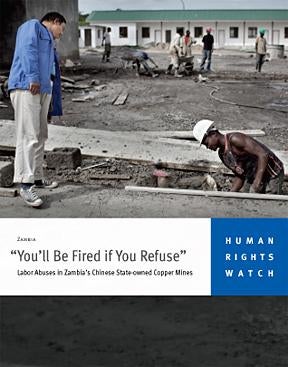
Labor Abuses in Zambia's Chinese State-owned Copper Mines
This 122-page report details the persistent abuses in Chinese-run mines, including poor health and safety conditions, regular 12-hour and even 18-hour shifts involving arduous labor, and anti-union activities, all in violation of Zambia’s national laws or international labor standards.
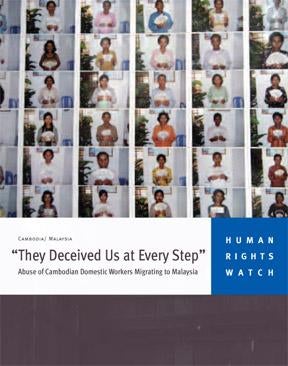
Abuse of Cambodian Domestic Workers Migrating to Malaysia
This report documents Cambodian domestic workers’ experiences during recruitment, work abroad, and upon their return home. It is based on 80 interviews with migrant domestic workers, their families, government officials, nongovernmental organizations, and recruitment agents.
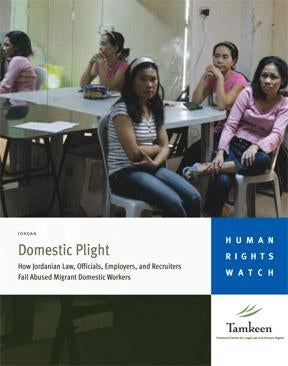
How Jordanian Laws, Officials, Employers, and Recruiters Fail Abused Migrant Domestic Workers
This 111-page report documents abuses against domestic workers and the failure of Jordanian officials to hold employers and the agents who recruited the workers accountable.
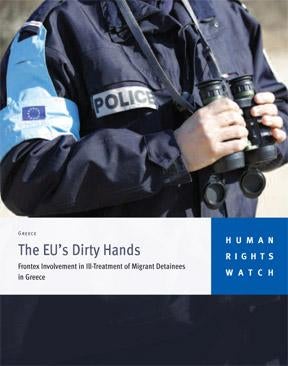
Frontex Involvement in Ill-Treatment of Migrant Detainees in Greece
This report assesses Frontex’s role in and responsibility for exposing migrants to inhuman and degrading detention conditions during four months beginning late in 2010 when its first rapid border intervention team (RABIT) was apprehending migrants and taking them to police stations and migrant detention centers in Greece’s Evros region.
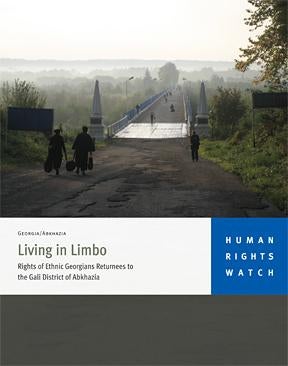
Rights of Ethnic Georgians Returnees to the Gali District of Abkhazia
This 71-page report documents the arbitrary interference by Abkhazia's de facto authorities with returnees' rights to freedom of movement, education, and other political and economic rights.
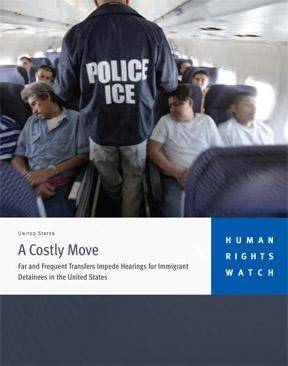
Far and Frequent Transfers Impede Hearings for Immigrant Detainees in the United States
This 35-page report states that transfers separate detained immigrants, including legal permanent residents, refugees, and undocumented people, from the attorneys, witnesses, and evidence they need to defend against deportation. That can violate their right to fair treatment in court, slow down asylum or deportation proceedings, and extend their time in detention.
This report documents the state’s failure to take effective measures against hate crimes. Prosecutions for racially-motivated violence are rare, with Italian officials downplaying the extent of the problem and failing consistently to condemn attacks. Insufficient training of law enforcement and judiciary personnel and incomplete data collection compound the problem.