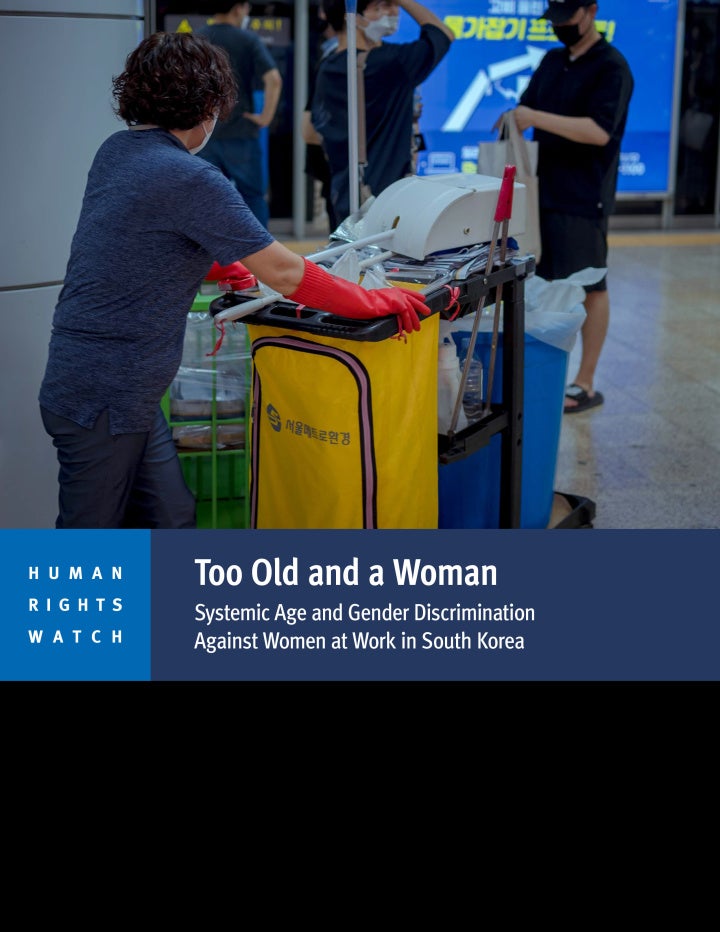
Systemic Age and Gender Discrimination Against Women at Work in South Korea
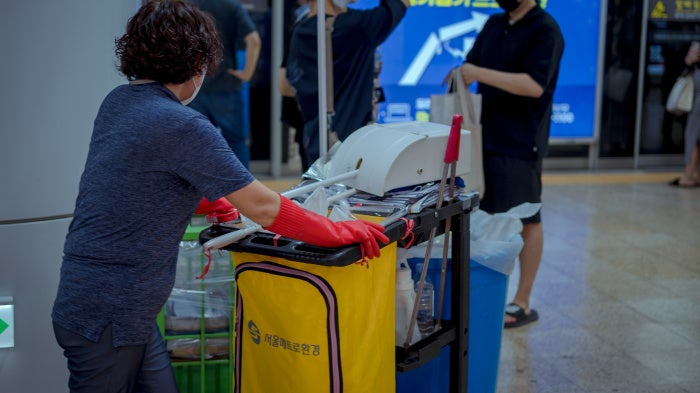
The 92-page report, “Too Old and a Woman: Systemic Age and Gender Discrimination Against Women at Work in South Korea,” documents that social attitudes toward education, unfair treatment in hiring, disrupted careers due to family responsibilities, limited promotion opportunities, glass ceilings, and sexual harassment create a disadvantage for South Korean women throughout their working lives. As women get older, their work opportunities narrow to a handful of low-paid, insecure jobs, and the gender pay gap increases. By the time they are eligible for pensions, women face a significant gender pension gap.
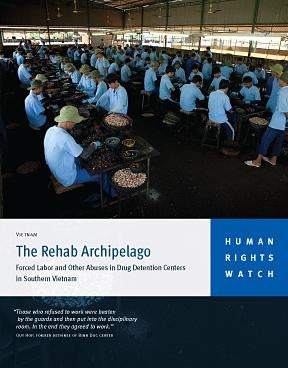
Forced Labor and Other Abuses in Drug Detention Centers in Southern Vietnam
The 121-page report documents the experiences of people confined to 14 detention centers under the authority of the Ho Chi Minh City government. Refusing to work, or violating center rules, results in punishment that in some cases is torture.
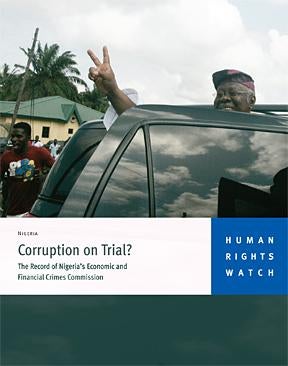
The Record of Nigeria’s Economic and Financial Crimes Commission
This 65-page report analyzes the record of the commission, Nigeria’s most important anti-corruption agency. Since the commission was established in December 2002, it has publicly challenged the longtime ironclad impunity of Nigeria’s political elite – an accomplishment without precedent in Nigeria.
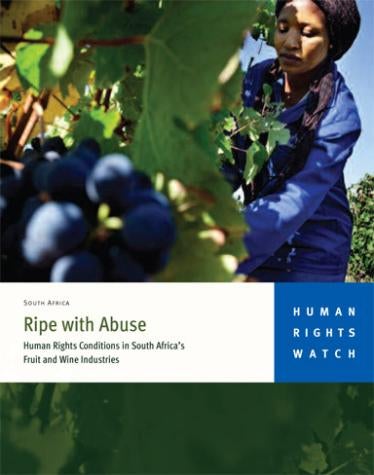
Human Rights Conditions in South Africa’s Fruit and Wine Industries
This report documents conditions that include on-site housing that is unfit for living, exposure to pesticides without proper safety equipment, lack of access to toilets or drinking water while working, and efforts to block workers from forming unions.
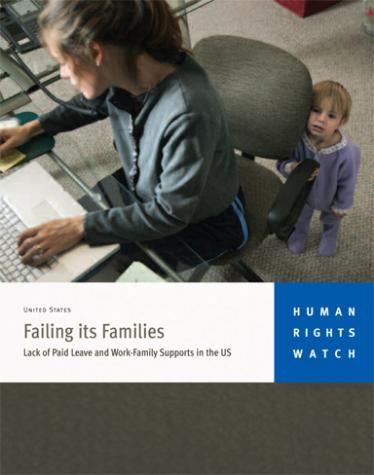
Lack of Paid Leave and Work-Family Supports in the US
This report is based on interviews with 64 parents across the country. It documents the health and financial impact on American workers of having little or no paid family leave after childbirth or adoption, employer reticence to offer breastfeeding support or flexible schedules, and workplace discrimination against new parents, especially mothers.
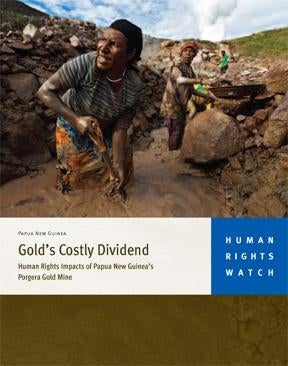
Human Rights Impacts of Papua New Guinea’s Porgera Gold Mine
This report identifies systemic failures on the part of Toronto-based Barrick Gold that kept the company from recognizing the risk of abuses, and responding to allegations that abuses had occurred.
Bail and Pretrial Detention of Low Income Nonfelony Defendants in New York City
Drawing on previously unpublished data and scores of interviews with judges, defendants, prosecutors, and defense counsel, this report reveals the extent of the problem. Among defendants arrested in 2008 on nonfelony charges who had bail set at $1,000 or less, 87 percent were incarcerated because they were unable to post the bail amount at their arraignment.
Violations of Workers’ Freedom of Association in the United States by European Multinational Corporations
This 130-page report details ways in which some European multinational firms have carried out aggressive campaigns to keep workers in the United States from organizing and bargaining, violating international standards and, often, US labor laws.
Oil Contracts and Stalled Reform in São Tomé e Príncipe
This 23-page report documents how São Tomé’s government remains ill-equipped to manage the revenues from any hydrocarbon endowment, despite domestic and international efforts to improve financial transparency and accountability in anticipation of major oil discoveries.
Exploitation of Migrant Tobacco Workers in Kazakhstan
This 115-page report documents how some employers confiscated migrant workers' passports, failed to provide them with written contracts, did not pay regular wages, cheated them of earnings, and required them to work excessively long hours.
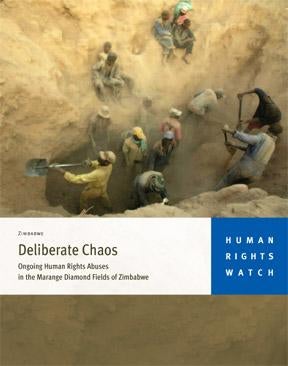
Ongoing Human Rights Abuses in the Marange Diamond Fields of Zimbabwe
Human Rights Watch has received new reports that soldiers in Marange are engaging in forced labor, torture, beatings, and harassment. Human Rights Watch documented rampant killings and other abuses in Marange last year.
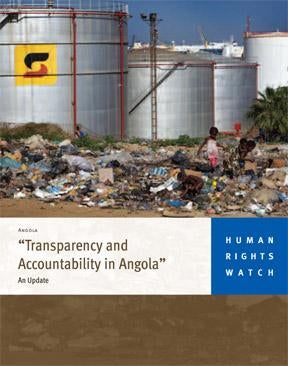
This 31-page report documents how the government took only limited steps to improve transparency after Human Rights Watch disclosed in a 2004 report that billions of dollars in oil revenue illegally bypassed the central bank and disappeared without explanation. The report details newly disclosed evidence of corruption and mismanagement and includes recommendations for reversing the pattern.
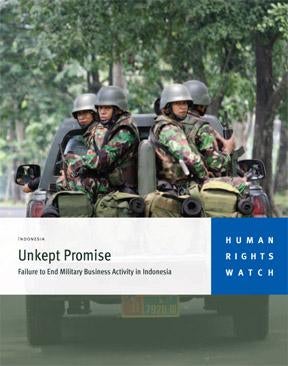
Failure to End Military Business Activity in Indonesia
This 20-page report provides a detailed critique of a presidential decree and Defense Ministry regulations addressing military involvement in businesses that were issued in October 2009.
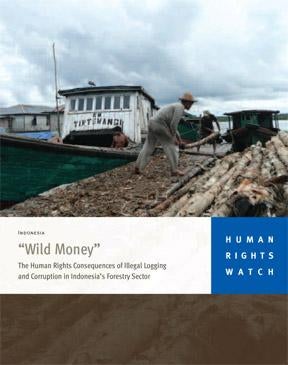
The Human Rights Consequences of Illegal Logging and Corruption in Indonesia’s Forestry Sector
This 75-page report found that more than half of all Indonesian timber from 2003 through 2006 was logged illegally, with no taxes paid. Unreported subsidies to the forestry industry, including government use of artificially low timber market prices and currency exchange rates, and tax evasion by exporters using a scam known as "transfer pricing," exacerbated the losses.
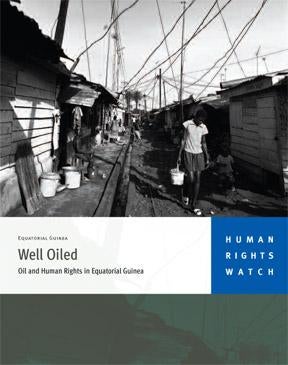
This 107-page report details how the dictatorship under President Teodoro Obiang Nguema Mbasogo has used an oil boom to entrench and enrich itself further at the expense of the country's people.
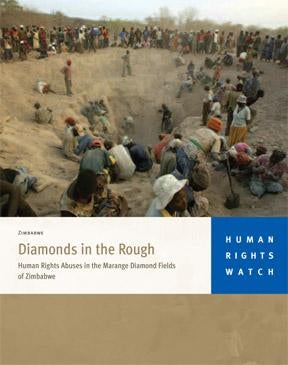
Human Rights Abuses in the Marange Diamond Fields of Zimbabwe
This 62-page report documents how, following the discovery of diamonds in Marange in June 2006, the police and army have used brutal force to control access to the diamond fields and to take over unlicensed diamond mining and trading.