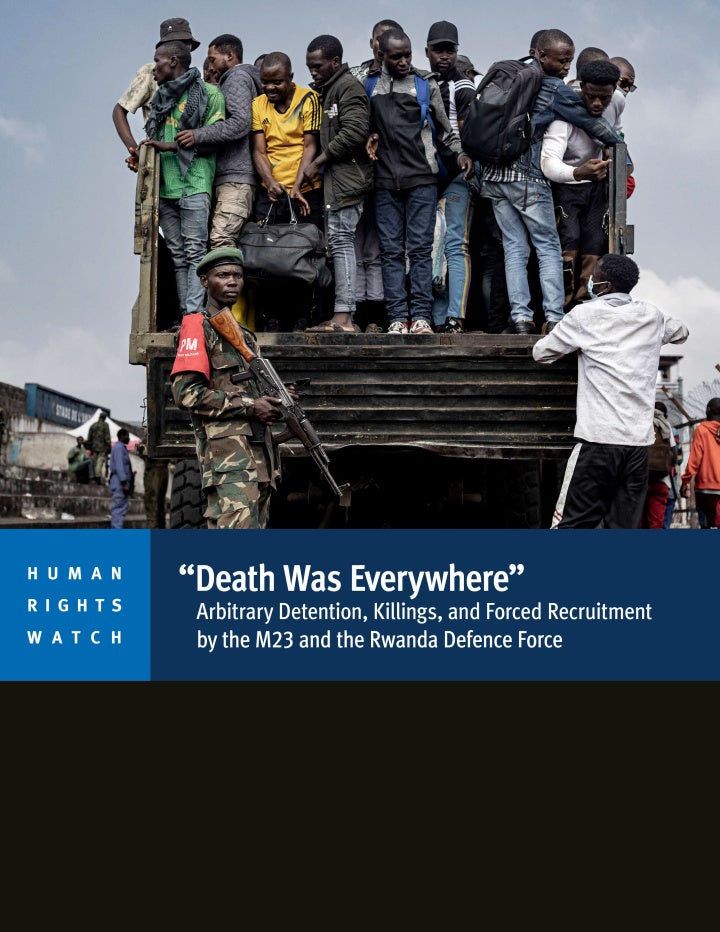
Arbitrary Detention, Killings, and Forced Recruitment by the M23 and the Rwanda Defence Force
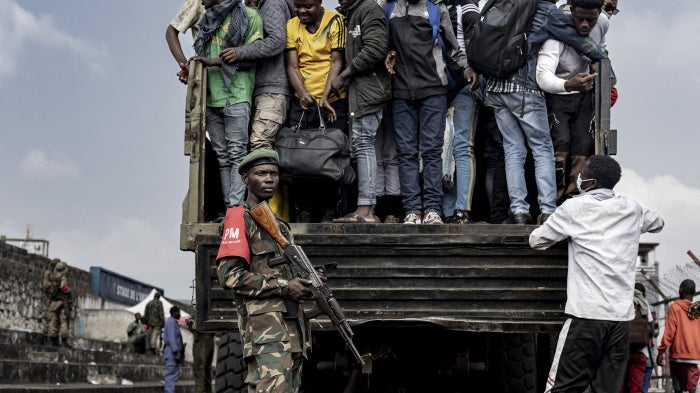
The 78-page report, “‘Death Was Everywhere’: Arbitrary Detention, Killings, and Forced Recruitment by the M23 and the Rwanda Defence Force,” documents large-scale roundups and arrests in North and South Kivu provinces in eastern Congo, as well as grave abuses against detainees at the Rumangabo and Tshanzu training camps in North Kivu, between mid-2024 and December 2025. M23 fighters, backed by Rwandan military personnel, have committed murder, torture, corporal punishment, and used forced labor and child soldiers, researchers found. These abuses are war crimes and should be investigated as possible crimes against humanity.
Human Rights in Iraq Eight Years after the US-Led Invasion
This 102-page report calls on the government to protect the rights of vulnerable groups and to amend its penal code and all other laws that discriminate against women and violate freedom of speech. The report also urges Baghdad to open independent and impartial investigations into all allegations of abuse against detainees, minorities, and journalists.
Arbitrary Detention and Torture of Terrorism Suspects in India
This 106-page report documents consistent abuse by Indian security forces in their response to the scourge of terrorism attacks. State police, jail officials, and other authorities have committed a range of human rights violations, including arbitrary arrest and detention, torture, and religious discrimination.
Intelligence Cooperation with Countries that Torture
The 62-page report analyzes the ongoing cooperation by the governments of France, Germany, and the United Kingdom with foreign intelligence services in countries that routinely use torture. The three governments use the resulting foreign torture information for intelligence and policing purposes. Torture is prohibited under international law, with no exceptions allowed.
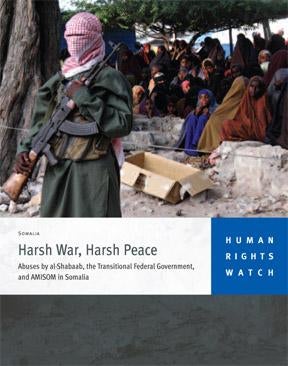
Abuses by al-Shabaab, the Transitional Federal Government, and AMISOM in Somalia
This 62-page report finds that al-Shabaab forces have brought greater stability to many areas in southern Somalia, but at a high cost for the local population - especially women. Based on over 70 interviews with victims and witnesses, the report describes harsh punishments including amputations and floggings, which are meted out regularly and without due process.
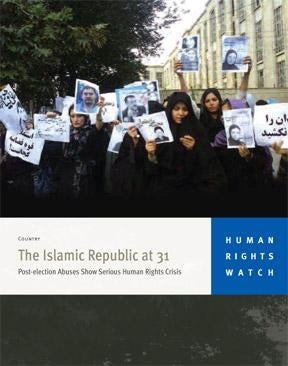
Post-election Abuses Show Serious Human Rights Crisis
This 19-page report documents widespread human rights abuses, including extra-judicial killings; rapes and torture; violations of the rights to freedom of assembly and expression; and thousands of arbitrary arrests and detentions during the nine months since the election on June 12, 2009.
The Revival of Physical Coercion during Interrogations in Bahrain
This 89-page report is based on interviews with former detainees and a review of forensic medical reports and court documents. It concludes that since the end of 2007, officials have repeatedly resorted to torture for the apparent purpose of securing confessions from security suspects.
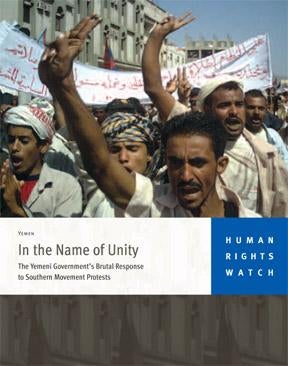
The Yemeni Government’s Brutal Response to Southern Movement Protests
The 73-page report documents attacks by security forces on supporters of the so-called Southern Movement as well as on journalists, academics, and other opinion-makers. Based on over 80 interviews with victims in the southern Yemeni cities of Aden and Mukalla, the report finds that security forces used lethal force against unarmed demonstrators on at least six occasions.
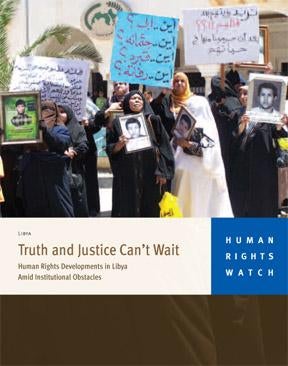
Human Rights Developments in Libya Amid Institutional Obstacles
This 78-page report is based on research conducted by Human Rights Watch during a 10-day visit to Libya in April, 2009. The report is also based on ongoing monitoring from outside the country.
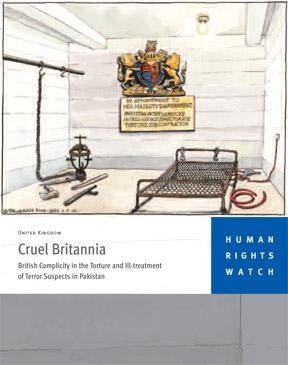
British Complicity in the Torture and Ill-treatment of Terror Suspects in Pakistan
This 46-page report provides accounts from victims and their families in the cases of five UK citizens of Pakistani origin - Salahuddin Amin, Zeeshan Siddiqui, Rangzieb Ahmed, Rashid Rauf and a fifth individual who wishes to remain anonymous - tortured in Pakistan by Pakistani security agencies between 2004 and 2007.
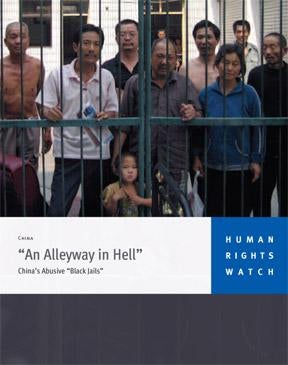
This 53-page report documents how government officials, security forces, and their agents routinely abduct people off the streets of Beijing and other Chinese cities, strip them of their possessions, and imprison them. These black jails are often located in state-owned hotels, nursing homes, and psychiatric hospitals.
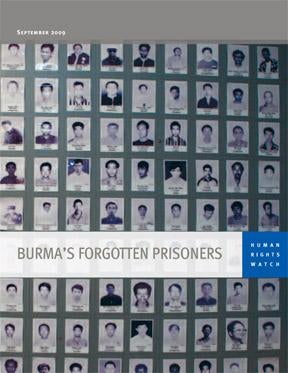
The 35-page report showcases dozens of prominent political activists, Buddhist monks, labor activists, journalists, and artists arrested since peaceful political protests in 2007 and sentenced to draconian prison terms after unfair trials. The report was released on September 16, 2009 at a Capitol Hill news conference hosted by Senator Barbara Boxer.
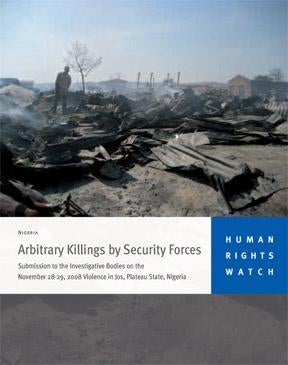
Submission to the Investigative Bodies on the November 28-29, 2008 Violence in Jos, Plateau State, Nigeria
Human Rights Watch testified before the Plateau State Judicial Commission of Inquiry on July 20, 2009 in Jos, the capital of Plateau State in central Nigeria, where on November 28-29, 2008, sectarian violence between Muslim and Christian mobs left hundreds dead.
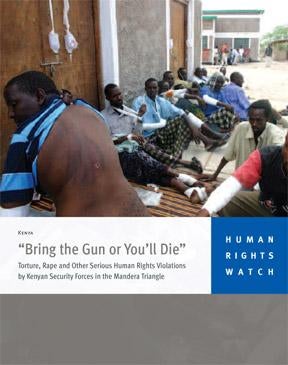
Torture, Rape, and Other Serious Human Rights Violations by Kenyan Security Forces in the Mandera Triangle
This 51-page report documents rampant abuses during the operation and provides detailed accounts of the events in four of the 10 communities that were targeted.
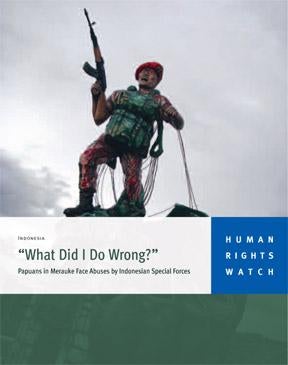
Papuans in Merauke Face Abuses by Indonesian Special Forces
This 16-page report documents how Kopassus soldiers operating in the town of Merauke, in Indonesia’s easternmost province of Papua, arrest Papuans without legal authority, and beat and mistreat those they take back to their barracks.
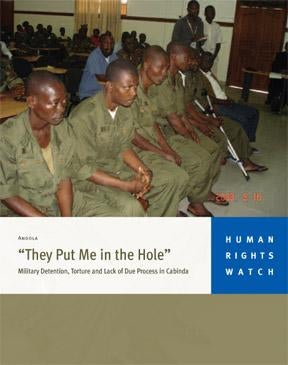
Military Detention, Torture, and Lack of Due Process in Cabinda
In this 27-page report, Human Rights Watch shows a disturbing pattern of human rights violations by the Angolan armed forces and state intelligence officials. Between September 2007 and March 2009, at least 38 people were arbitrarily arrested by the military in Cabinda and accused of state security crimes.