The 75-page report, “No Money, No Care: Obstetric Violence in Sierra Leone,” documents cases of verbal abuse, medical neglect, and abandonment of women and girls facing serious obstetric complications, practices that experts interviewed say are common. Many women interviewed said they were shamed and mistreated by healthcare providers for expressing pain, needing help, or for not having enough money to pay fees. Others described humiliating experiences in which healthcare providers treated them brusquely or withheld important health information. Some cases documented constitute obstetric violence, a largely unaddressed form of gender-based violence prevalent across the world.
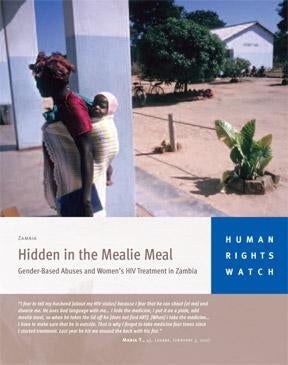
Gender-Based Abuses and Women’s HIV Treatment in Zambia
While acknowledging the significant overall progress made by the Zambian government in scaling up HIV treatment generally, this report documents how the government has fallen short of its international legal obligations to combat violence and discrimination against women.
Denial of Access to Emergency Obstetric Care and Therapeutic Abortion in Nicaragua
This 18-page report documents how this ban on abortion has made women afraid to seek even legal health services. Fearing prosecution under the new law, doctors are unwilling to provide necessary care. The report is based on interviews with officials, doctors from the public and private health systems, women in need of health services, and family members of women who died as a result of the ban.
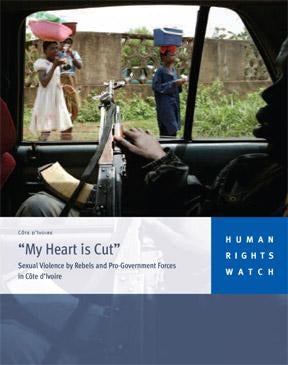
Sexual Violence by Rebels and Pro-Government Forces in Côte d’Ivoire
Pro-government and rebel forces in Côte d’Ivoire have subjected thousands of women and girls to rape and other brutal sexual assaults with impunity. This 135-page report details the widespread nature of sexual violence throughout the five-year military-political crisis. The report, which is based on interviews with more than 180 victims and witnesses, documents how women and girls have been subjected to individual and gang rape, sexual slavery, forced incest and other egregious sexual assaults.
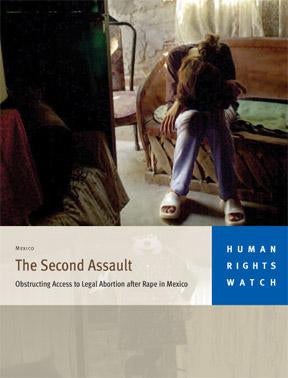
Obstructing Access to Legal Abortion after Rape in Mexico
This 92-page report details the disrespect, suspicion and apathy that pregnant rape victims encounter from public prosecutors and health workers. The report also exposes continuing and pervasive impunity for rape and other forms of sexual violence in states throughout Mexico.
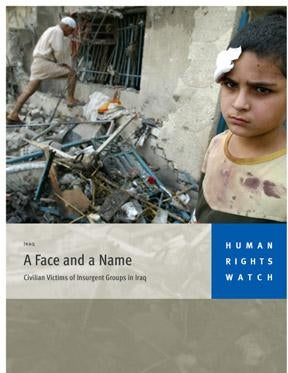
This report is the most detailed study to date of abuses by insurgent groups. It systematically presents and debunks the arguments that some insurgent groups and their supporters use to justify unlawful attacks on civilians.
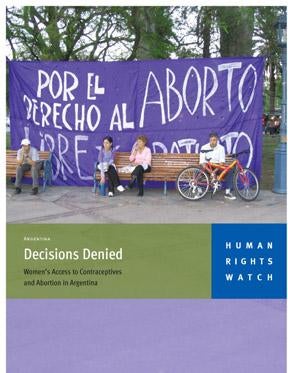
Women’s Access to Contraceptives and Abortion in Argentina
Decisions about contraception and abortion are difficult, deeply personal, and sometimes wrenching. In Argentina, women are routinely prevented from making such decisions.
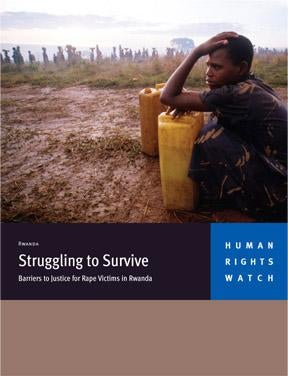
This 58-page report investigates the persistent weaknesses in the Rwandan legal system that hamper the investigation and prosecution of sexual violence. The report also documents the desperate health and economic situation of rape survivors. Many of the women who were raped became infected with HIV.
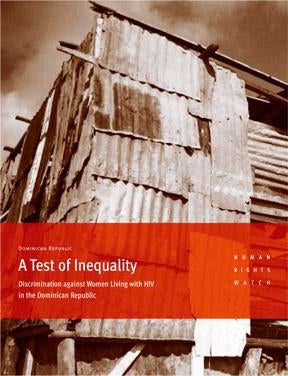
Discrimination against Women Living with HIV in the Dominican Republic
Women in the Dominican Republic are routinely subjected to involuntary HIV testing, and those who test positive are fired and denied adequate healthcare. This 50-page report documents the human rights violations women living with HIV suffer in the public health system as well as in the workplace.
West African governments are failing to address a rampant traffic in child labor that could worsen with the region’s growing AIDS crisis, Human Rights Watch charged in a new report released today. The 79-page report, “Borderline Slavery: Child Trafficking in Togo,” highlights Togo as a case study of trafficking in the region.
The 75-page report, “'We’ll Kill You If You Cry:' Sexual Violence in the Sierra Leone Conflict,” presents evidence of horrific abuses against women and girls in every region of the country by the rebel Revolutionary United Front (RUF), as well as other rebel, government and international peacekeeping forces.